









The circular economy: turning e-waste into sustainable technology
In 2015, the European Commission adopted its first circular economy action plan and set an ambitious climate neutrality target for 2050. A decade later, significant progress is emerging globally, relying on collective industry responsibility rather than isolated efforts. But what exactly is the circular economy, and how does it relate to technology?
We’ll explore the meaning of a circular economy and examine current e-waste data. Plus, learn how IT infrastructure partners like Steel City Consulting – alongside our partners Cisco, HPE, and Juniper – are supporting companies to embrace sustainable technology and circular recycling practices.
What is the meaning of a circular economy?
In the IT sector, the circular economy model is a sustainable concept that focuses on repairing, reusing, and recycling hardware. The benefits of this include, but aren’t limited to:
- Extending product lifecycles with repairs and upgrades
- Maximising return on IT investments
- Delivering high-performance, manufacturer-refurbished hardware at a lower price than new
- Recovering valuable components and materials from end-of-life hardware to create new technology.
The importance of sustainable technology in a circular economy
Traditionally, the production of technology has followed a straight line, known as a linear economy. With this model, raw materials are extracted to make hardware, which is used and eventually discarded, often ending up in landfills. Globally, this unsustainable linear economy generates 50 million tonnes of electronic waste annually. According to the Geneva Environment Network, e-waste is non-biodegradable and pollutes surrounding ecosystems when improperly disposed of – yet only 17% is properly recycled worldwide. Figures like this demonstrate that the connection between technology, sustainability, and the circular economy cannot be understated.
Urban mining: shaping the future of circular IT hardware
In a study by Cranfield University, samples from four different UK landfill sites contained metals estimated to be worth £360m. Expanding upon these figures, the sustainable news platform, Edie, calculated, “The UK has around 4,000 landfill sites, potentially containing up to £360bn of unharvested valuable metals.”

According to Dell’s 2016 analysis, each discarded laptop alone contains around £25 worth of gold in its circuit boards, along with vital materials like tungsten, tin, and palladium. With circular recycling, high-end enterprise hardware can yield even greater value. When compared to traditional ore mining, the BBC reports that retrieving these materials from e-waste is a more profitable way to continue producing new technology.
However, current landfill extraction methods present significant hazards, with the Geneva Environment Network reporting that open-air burning and acid baths expose workers to dangerous levels of lead, mercury, and cadmium. According to the World Economic Forum, circular recycling methods like urban mining offer a safer alternative to recover plastics and precious metals. One such example is Network 2 Supplies’ proprietary bioleaching method, which uses natural bacteria to recover these valuable materials from circuit boards.
Urban mining is just one example of how the circular economy model benefits businesses, consumers, and the planet alike. However, there are ways for companies to divert their outdated hardware from landfills entirely, converting their surplus IT assets into profit.
IT Asset Disposal: circular recycling for businesses with outdated IT hardware
As stated by Mark Hall, spokesperson for BusinessWaste, “At any given moment, a large blue chip company or public service organisation in the United Kingdom is undergoing a technology refresh (…) They usually retain their old equipment for data integrity reasons, but will soon wish to dispose of it safely and with all due respect to confidentiality.”
Recycling facilities for Waste Electrical and Electronic Equipment (WEEE) remain less common than those for paper or plastic. Further, BusinessWaste reports that irresponsible e-waste recycling is responsible for approximately 25% of data breaches. As a result, many companies rely on IT partners like Steel City Consulting to responsibly dispose of their end-of-life hardware through circular recycling and, importantly, to ensure their data is securely destroyed.
Rather than letting unused hardware lose value after a refresh or upgrade, we can securely collect it through our IT Asset Disposal (ITAD) service and assess its worth (available as a payment or credit towards a future order). Our certified technicians then prepare the hardware for resale or process it for responsible circular recycling. Additionally, our Secure Data Destruction Service can eliminate all confidential data before providing a comprehensive report and certification.
Sustainable technology: Certified manufacturer-refurbished hardware
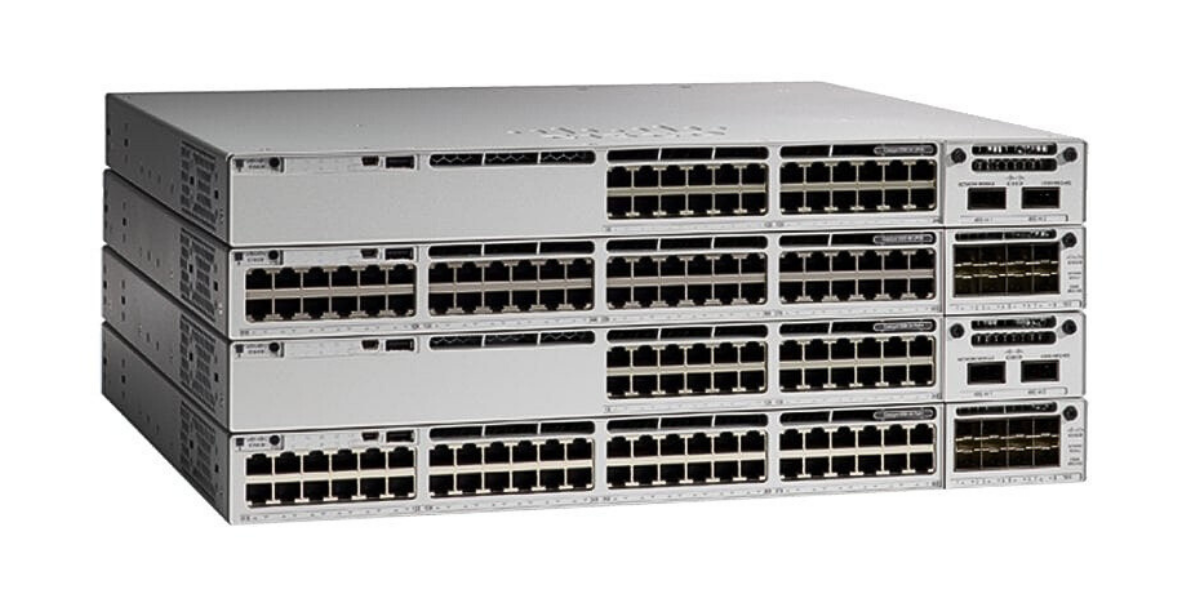
Leading manufacturers are also embracing the circular economy by implementing end-of-lifecycle solutions to tackle e-waste. Cisco, Juniper, and Hewlett-Packard Enterprise (HPE), for example, have launched trade-in schemes and comprehensive remanufacturing programmes.
When their branded IT hardware is returned, it undergoes rigorous testing, data wiping, software updates, and WEEE recycling compliance checks. These certified refurbished products have the same performance and warranties as new hardware, at a lower cost, while also helping to reduce e-waste and promote circular recycling.

Discover our brand partners’ certified manufacturer-refurbished programs:
Cisco Refresh | Juniper Certified Pre-Owned | HPE Renew
Consumer and business trends strongly support this shift toward a circular economy. 2024 data from BusinessDasher revealed that 55% of consumers are willing to pay more for eco-friendly brands, while research from Novuna Business Finance shows that 76% of small businesses plan to make their supply chains more sustainable. Together, these insights highlight that brands investing in sustainable technology and circular recycling strategies are well-positioned to thrive in tomorrow’s economy.
Contact us to explore sustainable technology and join the circular economy
At Steel City Consulting, we partner with leading manufacturers to deliver sustainable IT hardware and solutions to businesses worldwide. Our mission is to combat e-waste and support the circular economy, without compromising on the quality or performance of IT infrastructures.
Interested in certified manufacturer-refurbished IT hardware or our IT Asset Disposal service? We’d love to help you explore the benefits of sustainable technology and IT solutions. Get your quote today.