






















Essential cybersecurity strategies for small businesses
Last month, the UK Government published its annual ‘Cyber Security Breaches Survey’, revealing that 43% of businesses had experienced a cybersecurity breach or attack within the past 12 months. This figure equates to approximately 612,000 companies.
This data aligned with research conducted by Allianz in January, which identified cyber threats as the leading concern for business owners. Similarly, a global survey by Coalition, involving 1,000 small businesses, found that 87% expressed concerns about potential attacks. These findings highlight a significant shift in global business perspectives, with cybersecurity increasingly viewed as a critical issue.
With up to 90% of data breaches linked to human error, prioritising cybersecurity and staff training can make a vital difference for small businesses. To help your company remain protected, we’ll examine the latest data on cyber threats and share three expert strategies to implement cost-effective, high-performance security measures.
How the cybersecurity landscape has evolved for small businesses and SMEs
During the COVID-19 pandemic, businesses worldwide rapidly adopted cloud services, digital payment platforms, and remote working solutions. While these changes were necessary, they also introduced significant cybersecurity vulnerabilities. Around the same time, the emergence of ransomware-as-a-service lowered the barrier to entry for cybercriminals, enabling even inexperienced hackers to launch sophisticated attacks. The scale of this emerging threat quickly became evident. According to BlackBerry, cybercrime surged by 600% during the pandemic, with over 667 million new malware detections reported globally in 2020.
Despite this, many small businesses have historically underestimated the importance of cybersecurity by assuming they are too insignificant to be targeted. In reality, the opposite is true. As Network and Security explains, “Even if a hacker can’t get as much ransom from a small business as they can from a larger organisation, it’s worth it. They often can breach more small companies than they can larger ones.”
The consequences of a cyber attack can be devastating. Beyond immediate operational disruption, businesses may face long-term reputation damage, financial loss, and legal implications. IBM’s ‘Cost of a Data Breach’ report revealed that the average cost of a data breach globally in 2024 was $4.88 million – a 10% increase compared to the previous year. For small businesses in particular, the impact can be existential. Research shows that 60% close within six months of experiencing a breach.

Phishing attacks: a prominent cybersecurity threat targeting small businesses
According to AAG, phishing is the most common and dangerous form of cybercrime facing small businesses today. They estimate that 3.4 billion spam emails are sent daily, with Google successfully blocking just 100 million.
As a form of social engineering attack, phishing involves deceiving employees into revealing sensitive information, usually through convincing emails. These emails often impersonate trusted sources, such as senior colleagues, business partners, or financial institutions, and may use domains that closely mimic legitimate ones. The aim is to trick recipients into clicking on malicious links or entering details on fraudulent websites, unknowingly handing over valuable information to cybercriminals.
In 2022, Barracuda Networks’ study ‘Spear Phishing: Top Threats and Trends’ revealed that workers at small businesses experienced 350% more social engineering attacks than those at larger enterprises. This stark figure emphasises that cybersecurity training is vital to ensure staff can recognise and report these attacks.
The human factor: why staff training is key to cybersecurity for small businesses
Even with technical defences in place, protecting against phishing and other forms of social engineering remains a major challenge, especially without proper employee training. In 2022, the Government’s ‘Cyber Security Breaches Survey’ reported that, overall, only 17% of businesses implemented cybersecurity training for their staff. As of 2025, training and awareness activities have become more prevalent in large businesses (76%), yet this is true for just 19% overall.
To build lasting resilience, small businesses must promote a culture of cybersecurity awareness. This starts with regular, practical training that helps employees recognise real-world threats like phishing attempts, weak passwords, and insider risks. Short, engaging sessions are often recommended, while tailoring them to different learning styles can return optimal results for teams. Instead of relying on one-off, outdated courses, experts recommend monthly or bi-monthly training paired with simulated phishing campaigns to keep knowledge fresh and habits sharp.

Current data: Businesses’ growing demand for cyber insurance
As cybercrime continues to escalate, more businesses are turning to cyber insurance. Since 2020, the global cyber insurance market has more than doubled, reaching $16.3 billion in 2025, according to Munich Re. While this insurance can help offset the financial impact of an attack, the rising volume of claims is driving up the cost of protection. Some insurers, such as AXA, have even removed ransomware payouts from their policies.
While cyber insurance can help soften the financial blow of an attack, it shouldn’t be your only line of defence. For small businesses, especially those without dedicated in-house cybersecurity teams, taking proactive steps with the right tools can make a significant difference.
Cost-effective cybersecurity hardware and services for small businesses
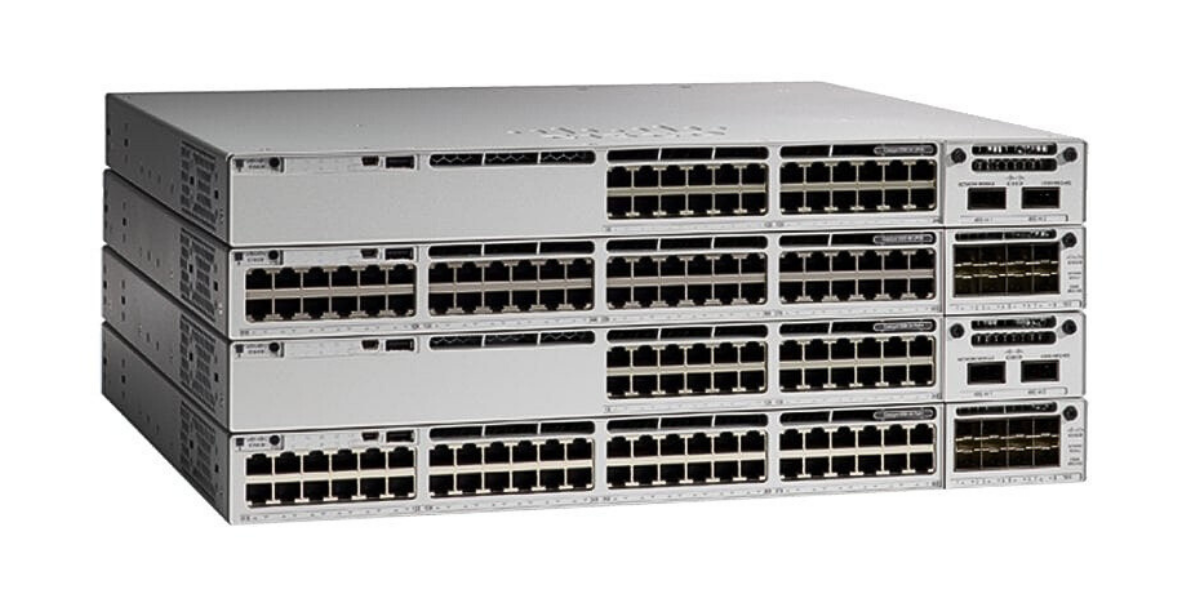
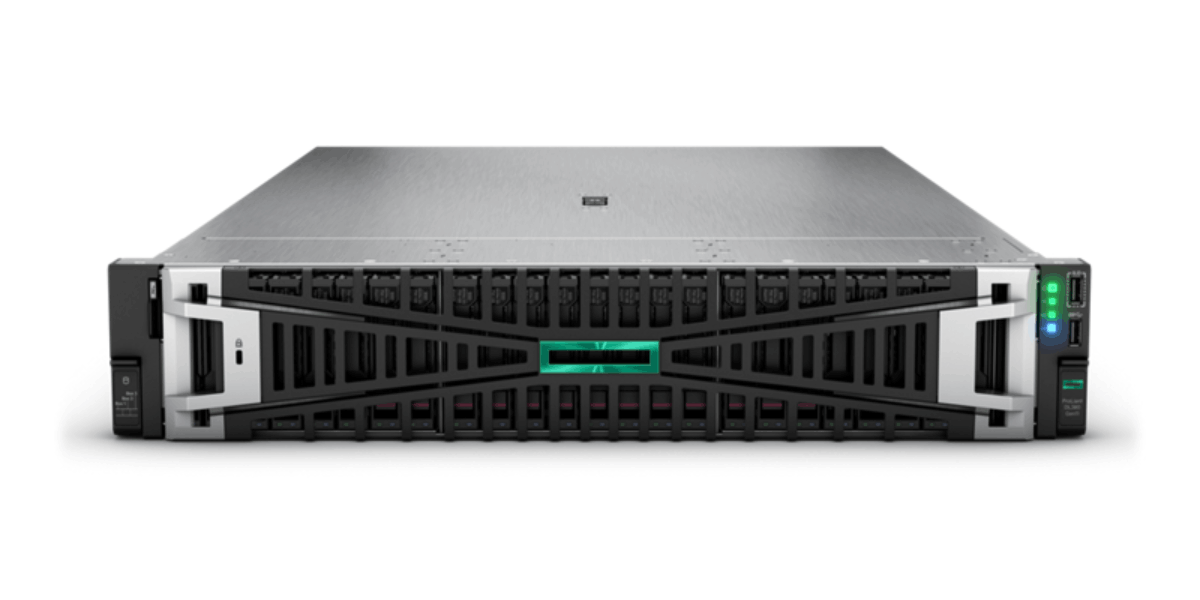
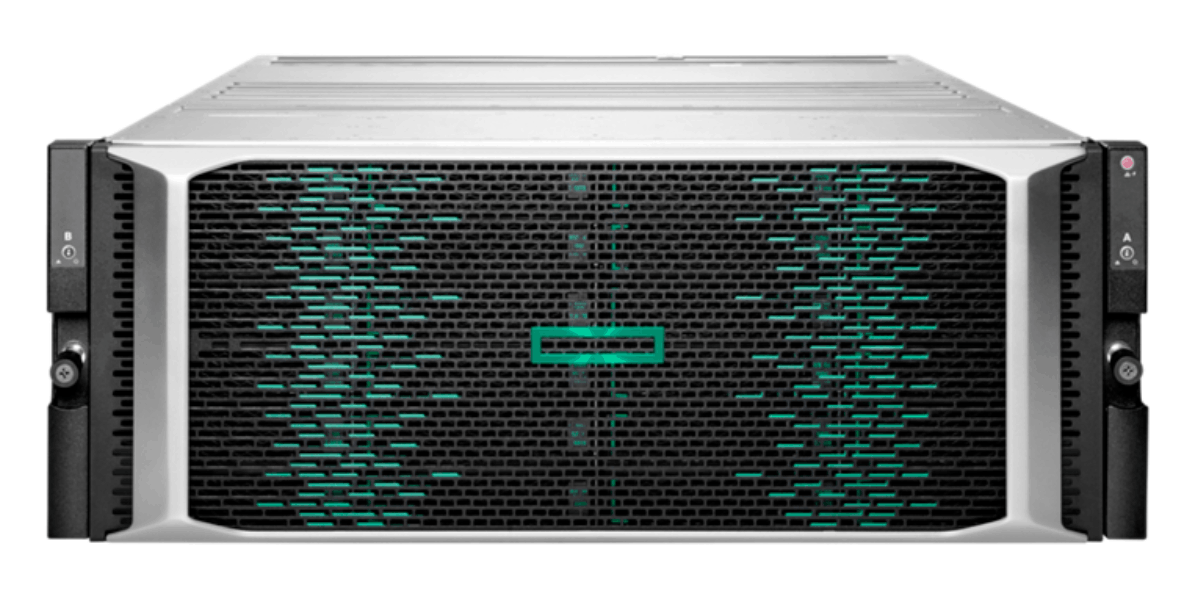
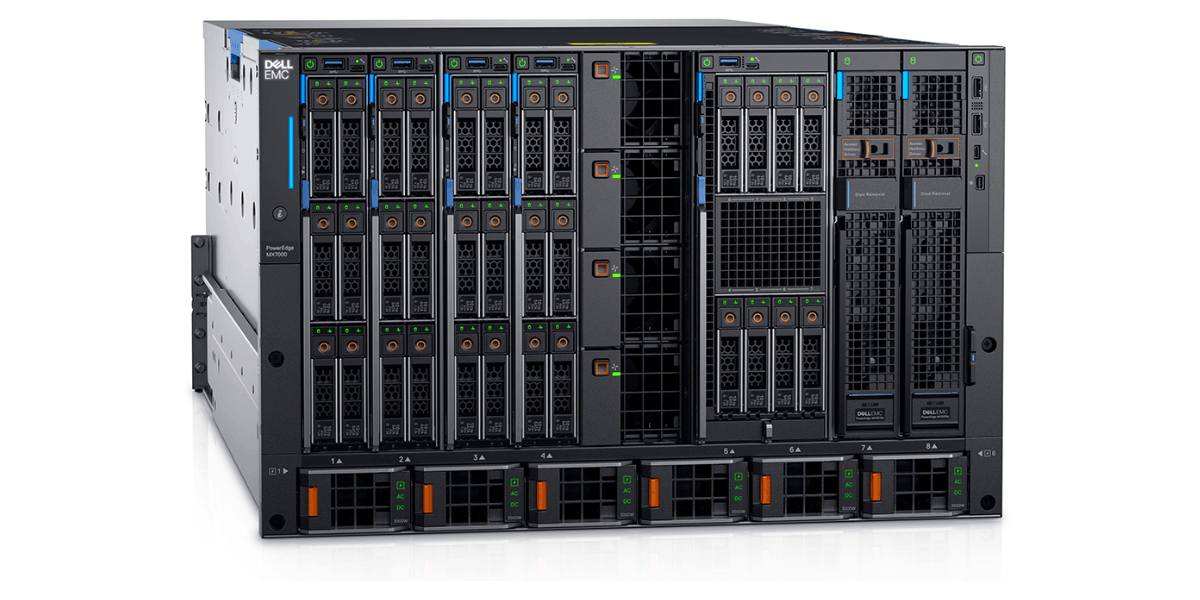
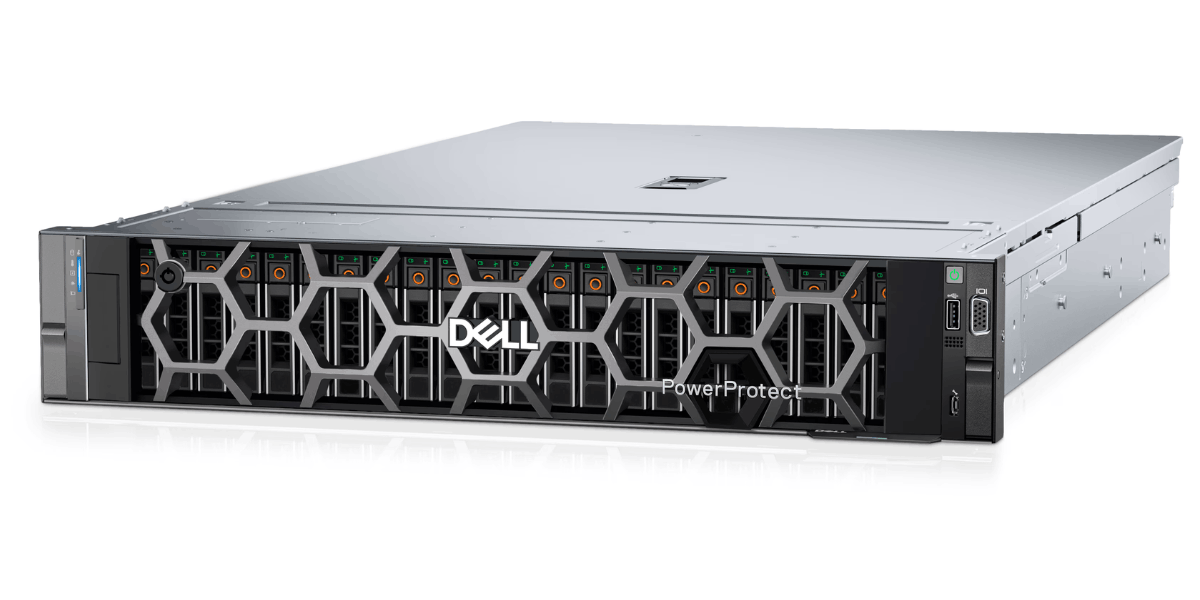
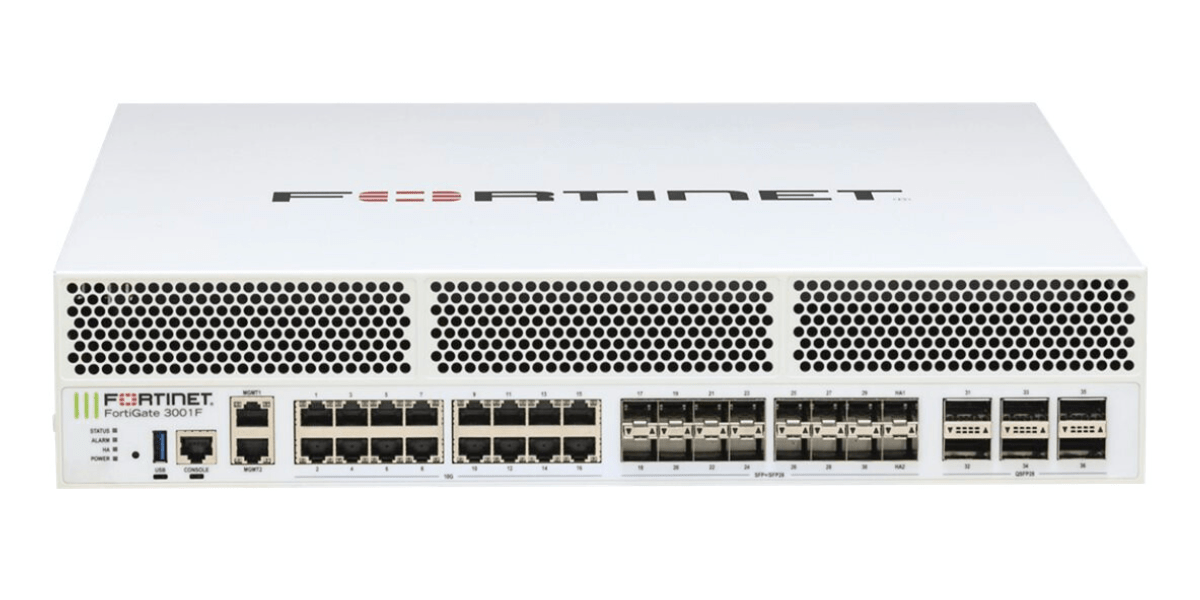
Affordable solutions like firewalls, antivirus software, and secure routers form a strong foundation for protection. At Steel City Consulting, we supply a diverse range of trusted network security hardware from industry-leading brands such as Fortinet, Cisco, Juniper, and HPE, ensuring businesses of all sizes can access high-quality cybersecurity tools.
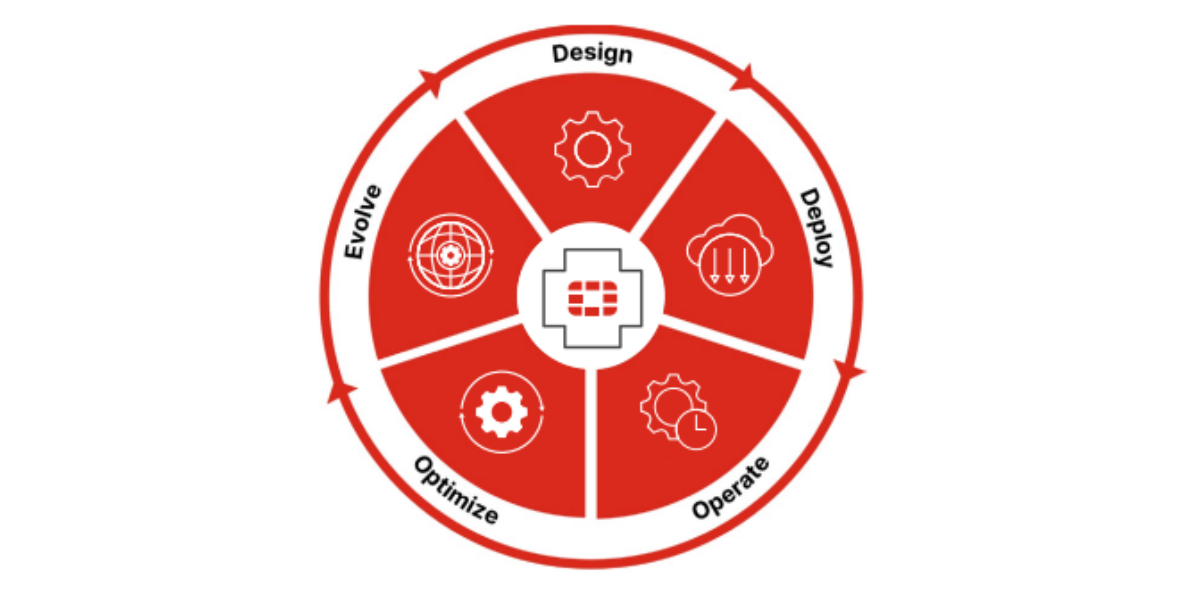
To deliver reliable protection, IT cybersecurity infrastructures must be correctly configured, routinely updated, and continuously monitored. We support small businesses in selecting and deploying the most appropriate solutions for their environment, ensuring systems are not only operational but also optimised for long-term performance and resilience.
To complement these hardware foundations, our enterprise-grade cybersecurity services provide layered defence and strategic oversight, without exceeding budget constraints. These services form the backbone of a comprehensive security plan and include:
- Firewall setup and configuration
- Vulnerability assessments and penetration testing
- Managed Detection and Response (MDR) for around-the-clock threat monitoring
- Compliance and policy management
Together, these components enable a proactive, end-to-end approach to cybersecurity, tailored to meet the evolving needs of small businesses.
Is your small business ready to defend against cybersecurity threats?
If you’re looking for expert guidance on how to protect your business against phishing and other security threats, our team is here to help. With decades of combined expertise, we can tailor effective cybersecurity strategies to strengthen your IT infrastructure and match your specific needs. Book your free cybersecurity consultation today.