
IT Asset Disposal (ITAD)
IT Asset Disposal (ITAD)
Secure & Sustainable IT Asset Disposal Services by Steel City Consulting
Is your business looking for a secure and environmentally responsible way to dispose of old IT equipment? Are you concerned about data security, compliance, or recovering value from redundant hardware?
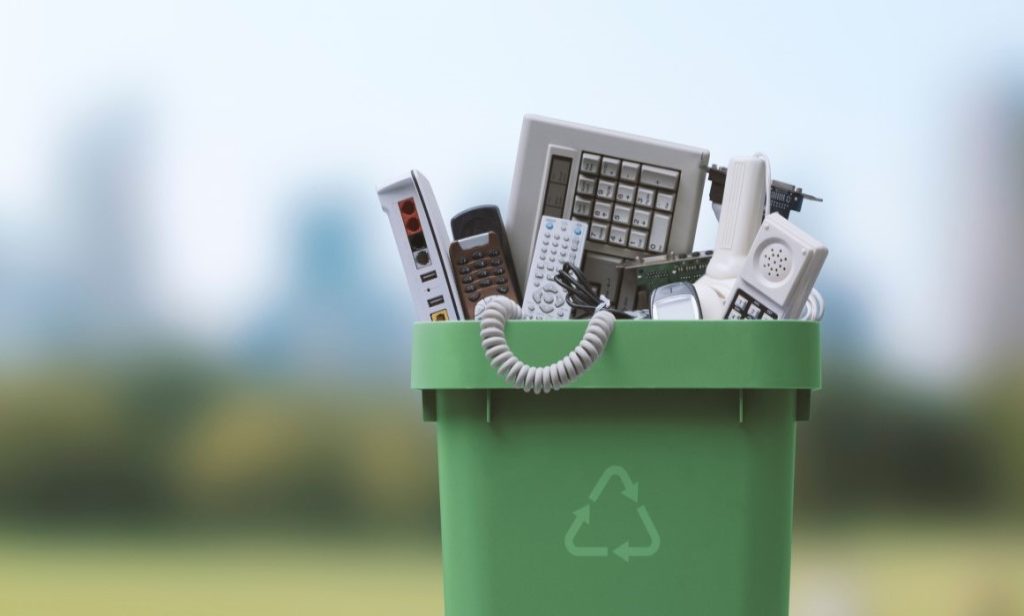
At Steel City Consulting, we provide a fully managed IT Asset Disposal (ITAD) service that ensures your IT equipment is handled securely, compliantly, and sustainably. From protecting sensitive data to maximising value recovery, we take care of every step—so you can focus on your business with peace of mind.
Why choose Steel City Consulting’s ITAD Service?
Data Security

24/7 monitored facilities with certified data destruction and full audit trail.
Secure Transport

GPS-tracked collections handled by vetted professionals for safe transit.
Zero
Waste-to-Landfill

Refurbishment and recycling to extend IT asset life and reduce waste.
Maximise Value

Recover value through remarketing and refurbishment with competitive rebate rates.
Our secure 6-step process delivers the highest levels of security for complete peace of mind
How Our IT Asset Disposal Process Works
We arrange a secure collection of your IT equipment, using GPS-tracked vehicles and vetted professionals to ensure safe transport.
All equipment is logged, audited, and documented, providing you with a detailed inventory report for complete transparency.

We erase all data using industry-certified methods such as data wiping, degaussing, or shredding, ensuring GDPR compliance.
Functional assets are tested, repaired, and refurbished, maximising resale potential and reducing e-waste.

Equipment is either remarketed for value recovery or responsibly recycled in line with WEEE regulations, ensuring zero waste to landfill.

Once the ITAD process is complete, a final asset register, data destruction certification, and value settlement are issued for complete peace of mind.
How we make YOU money!
At Steel City Consulting, we believe your IT assets still hold value even after they’ve reached the end of their life. That’s why we focus on maximising the revenue potential from your old equipment and ensuring you see the best financial return.
Steel City Consulting are confident in always being able to secure the best price that the market has to offer.
We sell equipment across a range of platforms and channels and always work to ensure our clients get the best possible service.
You can choose to have the revenue returned directly to your organisation or use it to offset the cost of new IT purchases and services through Steel City Consulting.

Secure IT Asset Disposal (ITAD) Services tailored to your needs:

IT Asset Buy-Back
Our circular, cost-effective IT Asset Buy-back program enables businesses to recoup value from their IT assets. We manage refurbishment, redeployment, and remarketing, allowing organisations to extend the life of their IT hardware while reducing overall costs.

Secure Data Destruction
Protecting sensitive business information is our priority. Our Secure Data Destuction service offers certified data erasure, hard drive shredding, and degaussing to ensure complete removal of all data before equipment disposal, helping you stay compliant with GDPR and ISO standards.
Steel City Consulting's IT Asset Disposal Services
Other ways we can help remove and recycle your used IT Hardware technology:

WEEE Recycling
We responsibly recycle outdated or broken IT equipment, ensuring valuable components are recovered and hazardous materials are disposed of correctly. Our process guarantees full compliance with WEEE regulations and sustainability best practices.
Data Decommissioning & Relocation
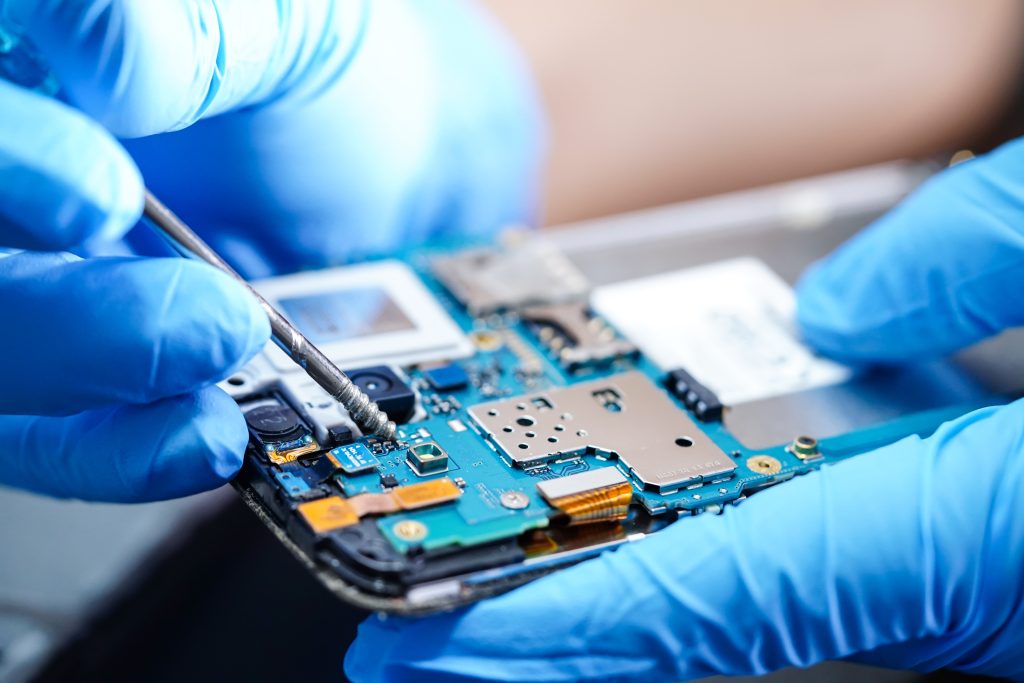
We provide secure decommissioning and relocation services for data centre IT equipment, ensuring a seamless transition with minimal disruption. Our team manages equipment removal, asset auditing, and secure transport with full chain-of-custody tracking.
Asset Lifecycle Management
Our circular, cost-effective solution enables businesses to recoup value from their IT assets. We manage refurbishment, redeployment, and remarketing, allowing organisations to extend the life of their IT hardware while reducing overall costs.

Get in touch to discuss your IT Asset Disposal (ITAD) requirements
Complete the form below and we will respond to you promptly.
IT ASSET DISPOSAL (ITAD) FAQs
IT Asset Disposal (ITAD) involves the secure and responsible processing and management of end-of-life cycle of IT equipment. It ensures that outdated or redundant hardware is disposed of in a way that protects sensitive data, complies with industry regulations, and minimises environmental impact. ITAD involves data destruction, refurbishment, remarketing/resale, and recycling, helping businesses recover value from their IT assets while reducing electronic waste.
We help businesses securely dispose of various IT assets, including:
Computers & Laptops
Servers & Storage Devices
Networking Equipment (Routers, Switches, Firewalls)
Printers & Peripherals
In addition to IT hardware, we also assist with office relocations or closures, handling the removal of:
Office Furniture
Office Equipment
Other business assets
All disposal processes are conducted in an environmentally responsible manner, ensuring compliance with industry regulations.
Steel City Consulting work with companies to ensure they get fast and accurate pricing for any used hardware which has a resale value. We can offer prompt payments and flexible payment options. Our clients can choose how they want the value from remarketed equipment returned and can offset the costs involved in the removal process. Alternatively, we can use the value of the used equipment to offset costs of buying new hardware; or we can make a donations to a local charity on your behalf. Before donating the equipment to charity we make sure the equipment is free of sensitive data and that it is fit for reuse.
The costs associated with ITAD services can vary depending on several factors, such as the type and quantity of IT assets being disposed of, the location of the assets, and the level of data security required. We provide a detailed quote of what services are likely to be chargeable to avoid any hidden fees. Our quote is transparent, and any changes to the final price will be communicated in advance to the customer.
Depending on the level of security required and the type of data being destroyed there are different data destruction methods which we can employ to ensure data security, these include:
- Data wiping: This includes overwriting the data with random data.
- Data erasure: We use software to ensure the data is unrecoverable.
- Encryption: We encrypt the data so that it cannot be accessed without an encryption key.
- Degaussing: This involves exposing the data to a strong magnetic field to erase the data.
- Physical destruction: We can physically destroy the storage media.
In addition to these methods, we can also combine some of these methods to provide a higher level of security.
Each IT asset disposal project is different but the process can typically be broken down into 4 hassle-free steps, this involves the following:
- Assessment: We assesses the IT assets to be disposed of to determine the most appropriate disposal method.
- Logistics: We will arrange the transportation and logistics of the IT assets. This may include decommissioning, packaging and labelling, as well as tracking and monitoring throughout the transportation process.
- Data Destruction: All data stored on the IT assets is securely and irreversibly erased using data wiping methods approved by the European WEEE directive.
- Disposal: The IT assets are disposed of in an environmentally responsible manner. On disposal we provide a detailed report of the asset disposal process, including a certificate of data destruction.
It is important for organizations to implement proper IT asset disposal procedures to mitigate risks which can arise from improper IT asset disposal, these include:
- Data breaches: IT assets contain sensitive information, and not disposing of them correctly can lead to this information being accessed by an unauthorized person. This can lead to the loss of intellectual property such as patents or trade secrets, or cybersecurity risks.
- Environmental damage: Electronic devices contain hazardous materials such as lead, mercury, and cadmium that can harm the environment if not disposed of properly. These materials can leach into the soil and water; and contaminate the environment.
- Legal and financial consequences: Companies that fail to dispose of their IT assets properly may be subject to legal and financial consequences. They may face fines and penalties for violating data protection laws and regulations.
Yes, we provide documentation of the disposal process, including certificates of destruction and recycling. Having documentation of the disposal process helps organizations demonstrate their compliance with data protection laws and regulations and provides assurance to stakeholders that they are committed to responsible environmental practices.
When disposing of equipment Steel City Consulting do so in accordance with the WEEE directive. WEEE stands for “Waste Electrical and Electronic Equipment,” and it refers to the EU directive on the disposal of electronic waste. The WEEE directive has been transposed into UK law through the Waste Electrical and Electronic Equipment Regulations 2013, and companies that fail to comply with the WEEE regulations may face fines.
We take several steps to ensure that we minimize the environmental impacts of IT asset disposal, these include:
- Assessing the assets: We evaluate the condition of the assets to determine which ones can be reused and recycled.
- Reuse or refurbishing the assets: If the assets are still functional, we will look to refurbish them and sell them into secondary markets or donate them to charities. If a machine is no longer functional we can look to see whether we can use any of the parts or components.
- Securely destroy the assets: We ensure that all data on the assets is securely destroyed by using certified software and industry standards.
- Educating our clients: We endeavour to educate our clients on the importance of responsible IT asset disposal and can provide information on how to recycle effectively.
Steel City Consulting take the handling of your used electrical equipment seriously, and through our data-controlled processes we can provide our clients with a 100% offline secure data destruction operation. Below are our processes for transportation, storage, and tracking:
- Collection: Through the use of our own vans and security checked staff we can arrive onsite ready to decommission equipment. We will arrive with full packing materials required for secure transportation and all equipment will be logged prior to removal from site.
- Transportation: A complete audit trail is in place while the goods are in transit with GPS tracked vehicles and drivers who remain in communication at all times. We have special alarms fitted to the cargo bay so that if anything is removed from the van we can know exactly when it is being removed.
- Storage: Once the goods arrive on site they are taken to our state-of-the-art destruction facility and are locked in secure vault for testing and refurbishment. Anyone entering the facility must sign in and out and we have cameras monitoring the facility operating 24 hours a day.
At Steel City Consulting we ensure compliance with data privacy regulations such as GDPR and HIPAA is critical to protect our clients sensitive data. Below are some of the measures we take to ensure compliance.
- Secure Data Destruction: We use industry-standard methods to securely wipe data from all devices.
- Chain of Custody: We maintain a detailed chain of custody for all devices received, ensuring that they are transported, stored, and processed securely and in compliance with applicable regulations.
- Employee Training: We provide regular training to our employees to ensure that they understand the importance of data privacy and how to handle sensitive data appropriately.
- Proper Documentation: We maintain proper documentation for all devices received and processed, including data destruction certificates and chain of custody logs.