




Hybrid & Private Cloud Solutions
The Challenge of Modern Infrastructure Consumption
Cloud adoption has given organisations flexibility and scale, but it has also introduced new complexity. Many businesses are now balancing multiple environments, rising costs, and compliance requirements that traditional all-in cloud or all-in on-premises strategies were never designed to handle.
As a result, organisations face a consistent set of challenges:
- Balancing cloud flexibility with on-premises control, as organisations look to retain ownership of critical systems and data while still benefiting from cloud agility.
- Managing rising public cloud costs, with unpredictable consumption, egress charges, and scaling expenses making budgeting and long-term planning increasingly difficult.
- Supporting data sovereignty and compliance requirements, as regulated industries and sensitive workloads require data to remain within defined jurisdictions or infrastructure boundaries.
- Scaling infrastructure efficiently, ensuring compute, storage, and networking can grow in line with demand without overprovisioning or unnecessary cost.
- Simplifying infrastructure operations, as managing separate tools, platforms, and processes across on-premises and cloud environments increases operational overhead.
- Modernising legacy infrastructure, where ageing on-premises systems limit performance, automation, and the ability to adopt hybrid and cloud-native approaches.
- Supporting hybrid application environments, as workloads increasingly span on-premises, private cloud, and public cloud, requiring consistent performance and management.
These challenges directly impact cost control, operational efficiency, compliance posture, and the ability to scale infrastructure in line with business demand.
Modern hybrid and private cloud solutions address this through right-sized infrastructure, consumption-based models, consistent management across environments, and platforms designed to support workloads wherever they need to run.
Common Hybrid & Private Cloud Challenges — And How We Solve Them
Here are some of the most common challenges we help hybrid and private cloud environments to overcome:
Controlling Cloud Costs & Consumption
Public cloud spend can be difficult to predict and control, with usage-based charges, egress fees, and scaling costs making budgeting and forecasting a challenge.
Solution
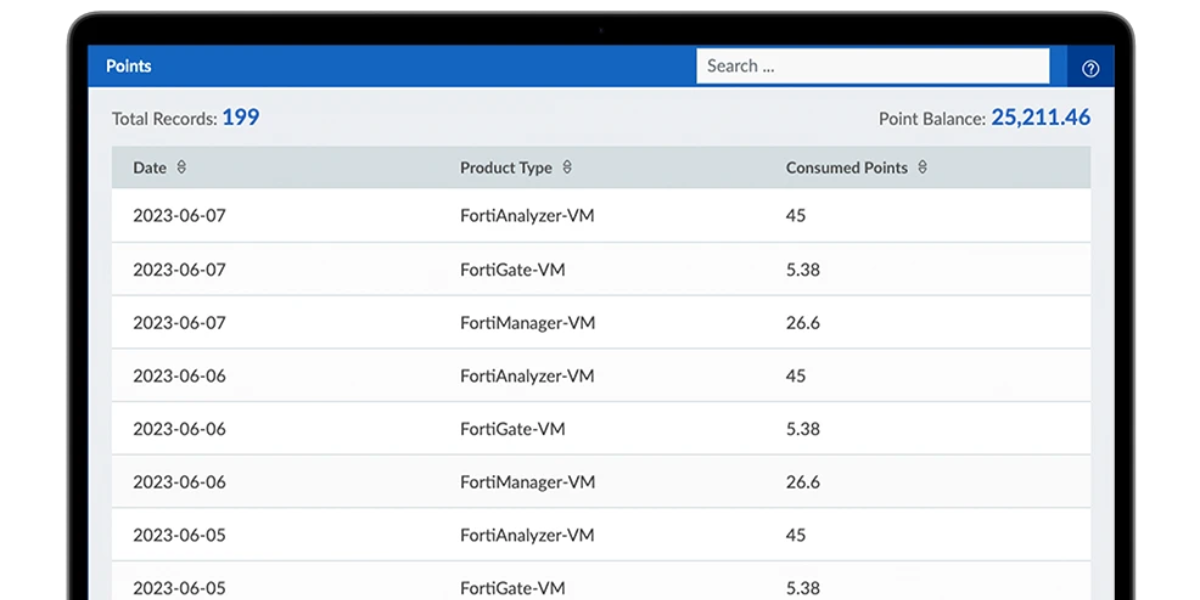
- Consumption-based infrastructure models bring cloud-like flexibility on-premises, giving organisations clearer cost control and more predictable spend.
Balancing On-Premises & Cloud Workloads
Workloads increasingly span on-premises and public cloud environments, making it harder to maintain consistent performance, management, and control across both.
Solution
- Hybrid cloud platforms provide a consistent operating model, allowing workloads to move and run efficiently across on-premises and cloud environments.
Supporting Compliance & Data Sovereignty
Regulated industries and sensitive workloads often require data to remain within defined jurisdictions or infrastructure boundaries, which public cloud alone cannot always guarantee.
Solution
- Private cloud infrastructure gives organisations direct control over where data resides, supporting compliance and data sovereignty requirements.
Simplifying Infrastructure Operations
Managing separate tools, platforms, and processes across on-premises and cloud environments increases operational overhead and slows down IT teams.
Solution
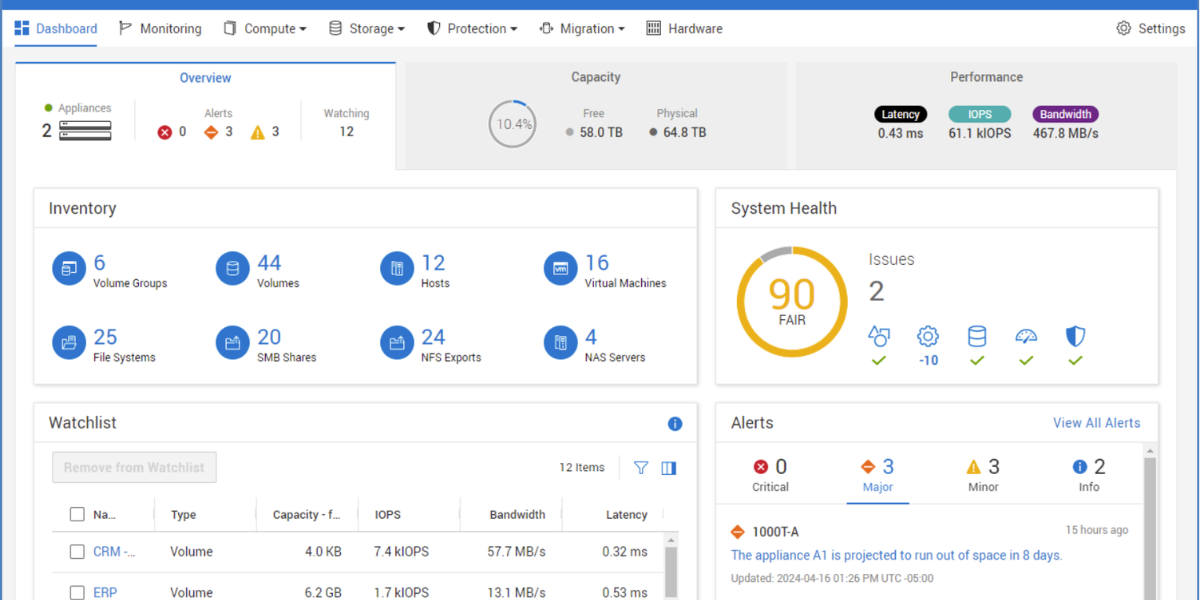
- Unified management platforms bring visibility and control together, simplifying operations across hybrid and private cloud environments.
Modernising Legacy Infrastructure
Ageing on-premises infrastructure can limit performance, automation, and the ability to adopt hybrid and cloud-native approaches at the pace the business needs.
Solution
- Modern private cloud infrastructure replaces legacy platforms with scalable, automated environments built to support current and future workloads.
We deliver hybrid and private cloud solutions that improve flexibility, simplify infrastructure operations, and prepare your organisation for future growth.
Find the Right Cloud Solution for Your Challenge
Jump to the area most relevant to your infrastructure strategy, from private cloud and hybrid platforms to flexible, consumption-based infrastructure.
Private Cloud Infrastructure
Dedicated compute, storage, and networking for greater control, security, and operational consistency.
Explore Private Cloud Infrastructure › 02Hybrid Cloud Platforms
Integrated on-premises and cloud environments that let workloads run and move where they perform best.
Explore Hybrid Cloud Platforms › 03Consumption-Based Infrastructure
Flexible, pay-per-use infrastructure that scales capacity in line with actual business demand.
Explore Consumption-Based Infrastructure ›A Structured Approach to Cloud Infrastructure
Private cloud infrastructure, hybrid cloud platforms, and consumption-based infrastructure each solve a different problem. Get these right, and you get control, flexibility, and long-term value.
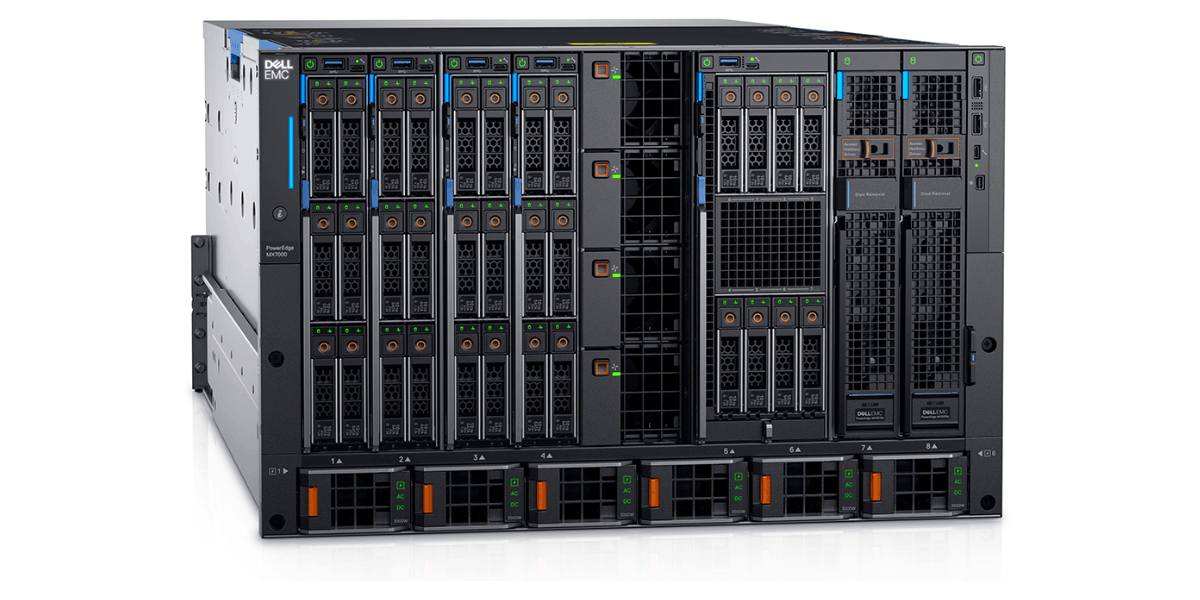
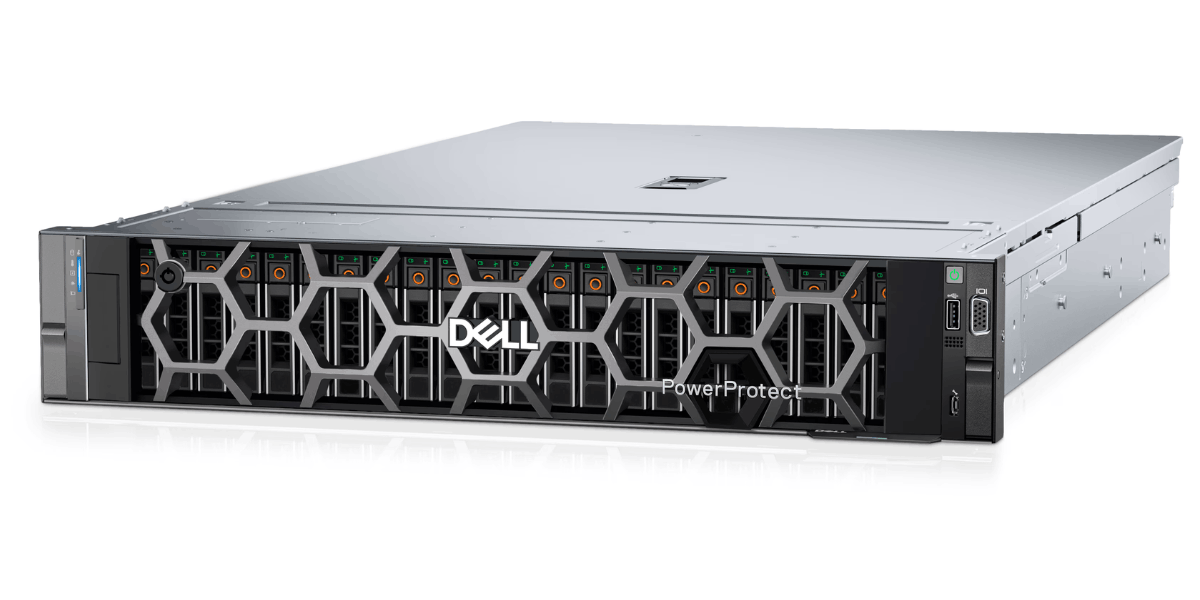
We work with leading platforms from HPE and Dell to deliver the right technology for your workloads, growth plans, and operational requirements.
Private Cloud Infrastructure
Private cloud infrastructure provides organisations with dedicated compute, storage and networking resources, delivering greater control, security and operational consistency.
Built on modern cloud operating models, it combines self-service infrastructure, resource pooling and automation, and strong infrastructure governance to give IT teams flexibility and oversight.
Traditional Infrastructure vs Private Cloud
| Traditional Infrastructure | Private Cloud |
|---|---|
| Provisioning: Manual provisioning that requires IT teams to configure and allocate resources for each request | Provisioning: Self-service consumption that lets teams provision resources on demand without waiting on manual intervention |
| Resources: Siloed resources dedicated to individual systems or departments, limiting visibility and reuse across the estate | Resources: Shared resource pools that make compute, storage, and networking available across workloads as needed |
| Capacity: Fixed capacity planning based on estimated peak demand, often leading to overprovisioning or shortfalls | Capacity: Flexible resource allocation that scales up or down in line with actual workload demand |
| Operations: Infrastructure administration that relies on manual configuration, patching, and management of individual systems | Operations: Cloud operating model that brings automation, orchestration, and consistent management across the environment |
Private Cloud Platforms
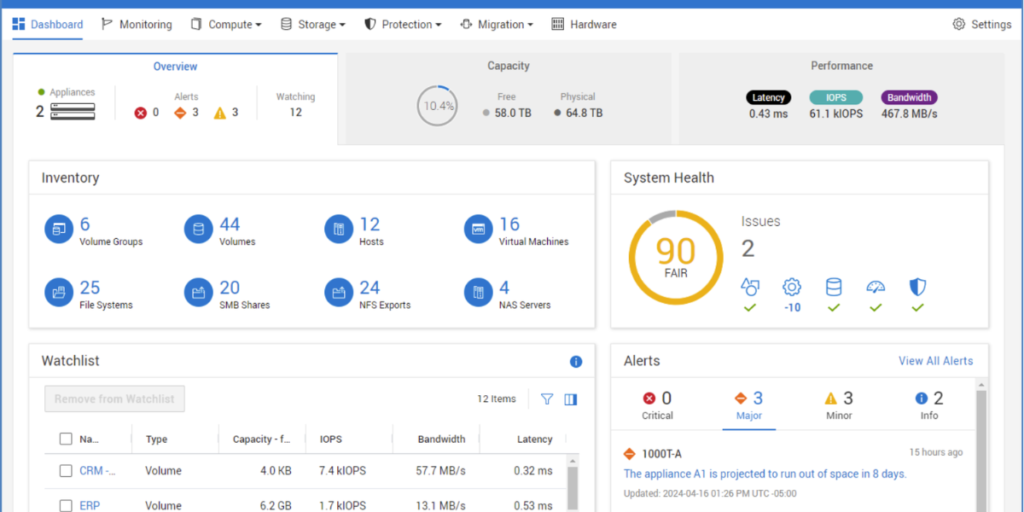
Private cloud platforms are designed to simplify infrastructure operations while providing organisations with greater control, automation and governance across private cloud environments.
They support virtualised infrastructure, self-service provisioning, infrastructure automation and enterprise governance.
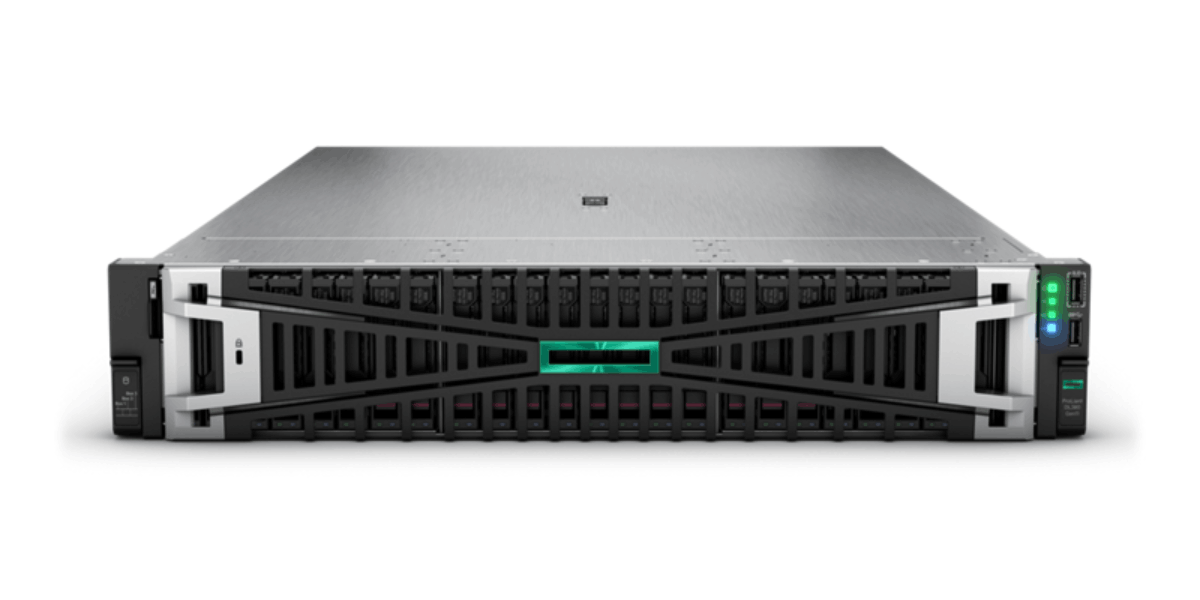
Designed for: Private cloud infrastructure and consumption-based operations.
Private cloud infrastructure
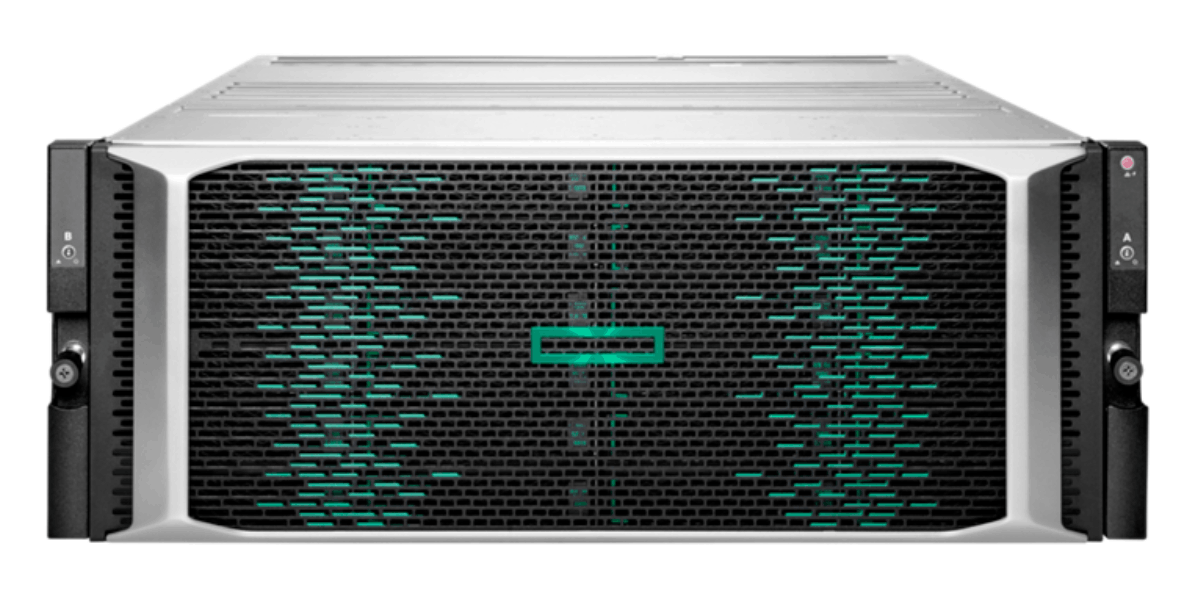
Designed for: Flexible private cloud deployment and hybrid infrastructure.
Flexible private cloud infrastructure
Hybrid Cloud Infrastructure
Modern hybrid cloud platforms enable organisations to integrate private infrastructure with public cloud services, providing greater flexibility, workload mobility and consistent operations across on-premises and cloud environments.
Hybrid Cloud Technologies
-
Hybrid Cloud Architectures
Connecting on-premises and cloud into a single, consistent operating model.
-
Cloud Integration
Connecting systems, data, and identity across on-premises and cloud.
-
Workload Mobility
Moving workloads freely as demand and requirements change.
-
Multi-Cloud Connectivity
Reliable, secure networking across multiple cloud providers.
-
Hybrid Operations
Consistent monitoring and management across hybrid environments.
Public Cloud vs Hybrid Cloud
| Public Cloud | Hybrid Cloud |
|---|---|
| Infrastructure: Cloud-only infrastructure with no on-premises component | Infrastructure: Integrated on-premises and cloud infrastructure working as one environment |
| Workload placement: Workloads primarily hosted in the public cloud regardless of where they perform best | Workload placement: Workloads deployed where they perform best, whether on-premises or in the cloud |
| Control: Limited control over infrastructure location and data residency | Control: Greater control over data and workload placement across environments |
| Operations: Separate infrastructure management across cloud and on-premises systems | Operations: Unified hybrid operations with consistent management across environments |
Hybrid Cloud Platforms
Hybrid cloud platforms are designed to simplify hybrid cloud management, enabling organisations to modernise infrastructure while maintaining operational consistency across private and public cloud environments.
They support cloud integration, workload mobility, multi-cloud operations and infrastructure modernisation.
Designed for: Hybrid cloud operations, private cloud and flexible infrastructure consumption.
Designed for: Hybrid cloud services, workload flexibility and as-a-service infrastructure.
Flexible hybrid cloud infrastructure
Consumption-Based Infrastructure
Consumption-Based Infrastructure Technologies
-
Consumption-Based Infrastructure
Paying for infrastructure based on what's actually used, not fixed capacity.
-
Infrastructure as a Service (IaaS)
Fully managed infrastructure delivered as a service, without upfront capital investment.
-
Flexible Consumption Models
Scaling spend up or down in line with actual business demand.
-
Capacity on Demand
Additional capacity available instantly as workloads grow.
-
Infrastructure Lifecycle Services
Managing infrastructure from deployment through refresh and retirement.
Traditional Procurement vs Consumption-Based Infrastructure
| Traditional Procurement | Consumption-Based Infrastructure |
|---|---|
| Investment: Large upfront capital investment required before infrastructure can be deployed | Investment: Flexible operational expenditure that spreads cost in line with usage |
| Capacity: Fixed infrastructure capacity set at the point of purchase | Capacity: Scale capacity as business requirements change |
| Technology refresh: Periodic hardware refreshes that require reinvestment and planned downtime | Technology refresh: Continuous technology lifecycle with infrastructure kept current |
| Ownership: Infrastructure ownership and lifecycle managed internally | Ownership: Vendor-supported infrastructure consumption with lifecycle managed externally |
Consumption Platforms
Consumption platforms are designed to provide enterprise infrastructure through flexible consumption models, helping organisations modernise IT while maintaining control over performance, security and governance.
They support infrastructure scalability, capacity on demand, hybrid cloud operations, technology lifecycle management and financial flexibility.
Designed for: Consumption-based infrastructure, hybrid cloud and private cloud operations.
Consumption-based infrastructure
Designed for: Flexible infrastructure consumption, as-a-service delivery and hybrid environments.
Flexible infrastructure consumption
Selecting the Right Hybrid Cloud Strategy
Selecting the right cloud strategy depends on your business objectives, application requirements, compliance obligations and operational model. Many organisations combine multiple approaches to create a hybrid infrastructure that balances flexibility, control and cost.
| Cloud Strategy | Best For |
|---|---|
| Private Cloud | Data sovereignty, predictable workloads, business-critical applications and greater operational control |
| Hybrid Cloud | Mixed workload environments, cloud integration, workload mobility and flexible deployment models |
| Consumption-Based Infrastructure | Financial flexibility, scalable infrastructure capacity, simplified operations and technology lifecycle management |
Choosing the Right Hybrid Cloud Platform
Private Cloud Environments
Typical requirements
Control, security, predictable performance, governance and data sovereignty.
Recommended platform
Why
GreenLake enables organisations to build private cloud environments with flexible consumption, modern infrastructure management and enterprise-grade governance while maintaining control of on-premises resources.
Typical deployment scenarios
- Regulated industries
- Business-critical applications
- Internal enterprise services
- Private cloud modernisation
Hybrid Cloud & Mixed Workloads
Typical requirements
Integration between private infrastructure and public cloud, workload mobility and operational consistency.
Recommended platform
Why
Both platforms simplify hybrid cloud operations by providing consistent infrastructure services across on-premises and cloud environments while supporting workload flexibility.
Typical deployment scenarios
- Hybrid cloud adoption
- Cloud bursting
- Multi-site organisations
- Modern application environments
Flexible Infrastructure Consumption
Typical requirements
Reduce capital expenditure, simplify procurement and align infrastructure investment with business demand.
Recommended platform
Why
Dell APEX delivers infrastructure through flexible consumption models, allowing organisations to scale resources while simplifying lifecycle management.
Typical deployment scenarios
- Capacity on demand
- Infrastructure refresh
- Growing organisations
- Variable workloads
Where Hybrid & Private Cloud Fits Within Your Wider Infrastructure Strategy
Hybrid and private cloud are not standalone technologies. They form part of a broader enterprise infrastructure strategy, connecting compute, storage, networking and data protection to deliver secure, scalable and flexible IT services.
Hybrid & Private Cloud commonly integrates with:
Enterprise Compute Solutions
Providing the compute platforms that underpin private and hybrid cloud environments.
Explore enterprise compute ›Virtualisation & HCI Solutions
Supporting virtual machine platforms, hyperconverged infrastructure, resource pooling and simplified infrastructure operations.
Explore virtualisation & HCI ›Enterprise Storage & Data Protection Solutions
Delivering resilient storage, backup, recovery and disaster recovery for cloud workloads.
Explore storage & data protection ›Data Centre Networking Solutions
Providing high-performance connectivity between compute, storage and cloud resources.
Explore data centre networking ›Cloud & Network Management Solutions
Simplifying infrastructure management, automation and operational visibility across hybrid environments.
Explore cloud management ›AI Infrastructure & HPC Solutions
Supporting modern AI, analytics and high-performance computing workloads across private and hybrid cloud platforms.
Explore AI infrastructure ›How We Support You
- Cloud Readiness & Infrastructure Assessment We assess your current infrastructure, applications, networking, security, operations and business requirements to identify readiness for private or hybrid cloud adoption.
- Hybrid Cloud Strategy & Architecture We define the right hybrid cloud approach for your organisation, mapping workloads, platforms, connectivity, governance and operating models into a clear architecture.
- Private Cloud Design, Deployment & Integration We design, deploy and integrate private cloud platforms across compute, storage, networking, virtualisation and management layers, aligned to your existing environment.
- Infrastructure Modernisation & Technology Refresh We help modernise legacy infrastructure and plan platform upgrades, lifecycle activity and technology refreshes to support future workload and cloud requirements.
- Consumption Model Advisory We compare traditional procurement, as-a-service models and flexible consumption options to help align infrastructure investment with usage, growth and budget requirements.
- Hybrid Cloud Optimisation & Operational Improvement We review performance, capacity, resilience, utilisation, automation and management processes to improve the efficiency and reliability of hybrid cloud environments.
Book a Free 30-Minute Consultation Call
Get expert advice, no commitment needed. Your consultation link will be sent via email.
Hybrid & Private Cloud Solutions — FAQs
What is the difference between private cloud and public cloud?
Private cloud runs on dedicated infrastructure controlled by one organisation, while public cloud runs on shared infrastructure delivered by a cloud provider.
In more detail, private cloud is usually chosen for greater control over security, governance, performance, compliance and data location. Public cloud is often used for rapid scalability, flexible capacity and access to cloud-native services without owning the underlying hardware.
Steel City Consulting helps organisations decide which workloads should run in private cloud, public cloud or a hybrid model, then designs the infrastructure to support that strategy. Book a free hybrid and private cloud consultation.
What is hybrid cloud?
Hybrid cloud is an IT architecture that combines private infrastructure with public cloud services so workloads and data can operate across both environments.
In more detail, hybrid cloud allows organisations to keep sensitive, regulated or predictable workloads on private infrastructure while using public cloud for flexibility, development, backup, burst capacity or selected applications.
We design hybrid cloud architectures across compute, storage, networking, virtualisation and management platforms, helping your environments operate as one connected infrastructure strategy. Book a free consultation to discuss your hybrid cloud requirements.
When should I deploy a private cloud?
You should deploy a private cloud when you need greater control over security, compliance, performance, data location or long-term infrastructure cost.
In more detail, private cloud is commonly used for regulated workloads, business-critical applications, predictable demand, legacy application modernisation and environments where data sovereignty or dedicated infrastructure matters.
Steel City Consulting can assess your current infrastructure and define whether private cloud is the right fit, including platform design, deployment planning, lifecycle management and cost modelling. Book a free private cloud readiness assessment.
What are consumption-based infrastructure models?
Consumption-based infrastructure models let organisations use dedicated infrastructure with commercial terms based on usage, capacity or service requirements.
In more detail, platforms such as HPE GreenLake and Dell APEX can provide cloud-like flexibility on-premises or in controlled environments, helping reduce large upfront capital expenditure while supporting scalability and lifecycle management.
We compare traditional procurement, as-a-service platforms and flexible consumption models so infrastructure investment matches business demand, capacity growth and budget requirements. Book a free consultation to compare consumption-based infrastructure options.
How do I choose the right hybrid cloud strategy?
Choose the right hybrid cloud strategy by matching each workload to the best environment based on performance, security, compliance, cost and operational requirements.
In more detail, some workloads are better suited to private infrastructure because of predictable usage, data sensitivity or latency. Others may suit public cloud because they need elasticity, geographic reach or access to specific cloud services.
Steel City Consulting helps define where each workload should run, how environments connect, how they are secured and how they are managed day to day. Book a free consultation to define your hybrid cloud strategy.
How do I migrate to a hybrid cloud architecture?
Migrating to hybrid cloud starts with assessing your current infrastructure, grouping workloads and moving applications in a controlled phased plan.
In more detail, a hybrid cloud migration should include infrastructure assessment, connectivity planning, security design, data migration, backup and recovery planning, testing, operational handover and post-migration optimisation.
We support hybrid cloud migration from readiness assessment through to infrastructure deployment, integration, optimisation and technology refresh planning. Book a free consultation to plan your hybrid cloud migration.