






Enterprise Storage Solutions Built for Scalable Data Growth

Storage infrastructure designed for high performance, simple management, and cost efficiency.

The Problem with Traditional Storage Infrastructure

Growing data volumes and high-performance workloads are placing increasing pressure on storage infrastructure across modern business environments. However, many traditional storage environments were never designed to handle today’s levels of data growth, performance demand, infrastructure complexity, or increasing requirements for scalable and resilient data management.

As a result, organisations face a consistent set of challenges:

  • Data growth placing increasing pressure on storage capacity, infrastructure scalability, and long-term resource planning across expanding environments.
  • Performance constraints impacting application responsiveness, workload efficiency, and user experience as storage systems struggle to meet modern demands.
  • Cost management challenges making it difficult to balance storage performance, capacity requirements, and operational expenditure effectively.
  • Difficulty maintaining consistent availability and resilience across hybrid, virtualised, and data-intensive infrastructure environments.
  • Increasing operational complexity as organisations manage multiple storage platforms, workload types, and evolving data requirements.
  • Uncertainty around future-proofing storage strategies as application demands, data retention needs, and infrastructure technologies continue to evolve.

These challenges directly impact operational performance, service reliability, and long-term scalability.

Modern enterprise storage solutions address this through scalable architecture, intelligent data management, and resilient infrastructure, supporting efficient and secure data environments.

Solving Enterprise Storage Challenges

Here are some of the most common storage infrastructure challenges we help organisations overcome:

Performance Constraints & Slow Applications

Challenge

Storage bottlenecks can slow virtual machines, databases, file services, analytics platforms, and other production workloads.

Solution

  • Matching the right storage tier to the workload helps improve responsiveness, reduce troubleshooting, and avoid paying for performance levels the environment does not need.

Data Growth & Capacity Planning

Challenge

Storage demand grows quickly as applications, backups, files, analytics, and compliance data increase across the organisation.

Solution

  • Right-sized enterprise storage helps teams plan capacity growth clearly, avoid fragmented storage silos, and choose platforms that can expand without unnecessary complexity.

Storage Cost Management

Challenge

Storage costs can rise quickly when platforms are oversized, expanded reactively, or used for the wrong type of data.

Solution

  • Clear platform selection helps align cost to operational need, from shared arrays and expansion enclosures through to all-flash systems and archive storage.

Backup, Recovery & Retention Pressure

Challenge

Longer retention periods, larger backups, and recovery expectations can put pressure on live storage and backup infrastructure.

Solution

  • Using the right mix of production storage, backup capacity, expansion options, and tape or archive storage helps protect data without overloading primary systems.

A Structured Approach to Modern Storage Demands

Storage infrastructures are built in layers. The decisions made at each stage determine performance, scalability, and how easily the environment can evolve.

We work with leading vendors to design and deliver solutions across each layer—ensuring the right technology is selected for your requirements.

01

Storage Infrastructure

Modern organisations require storage platforms that balance performance, scalability, resilience, and cost. From entry-level shared storage through to mission-critical enterprise arrays, we help organisations select and deploy solutions aligned to workload requirements and business objectives

Common Storage Challenges — And How We Solve Them

Performance Demands on Critical Workloads

Challenge

When transactional databases, ERP, or virtualised production slow down, the business feels it. Storage latency that was once invisible becomes a constraint on every dependent process.

Solution

  • We design all-flash enterprise platforms sized to the workload, with low-latency architectures and the data services that keep performance consistent under load.

Managing Rapid Data Growth

Challenge

Data volumes grow faster than storage budgets. Without a clear expansion path, teams hit capacity walls that force rushed, expensive decisions.

Solution

  • We plan scalable storage platforms with non-disruptive capacity expansion and tiered architectures, so growth does not trigger a forklift upgrade.

Balancing Performance & Cost

Challenge

Not every workload needs enterprise-grade speed, but treating everything the same way wastes budget on headroom that may never be used.

Solution

  • We tier workloads against platform capability, using high-performance arrays where latency matters and midrange storage where it does not, so spend follows actual requirements.

Extending Existing Storage Investments

Challenge

Refreshing storage before it is necessary is expensive and disruptive. But unchecked growth on an ageing platform creates its own risks.

Solution

  • We extend platforms you already own through expansion shelves, drive upgrades, and supported controller or media changes, buying time for the right refresh.

Entry & Midrange Storage Platforms

Reliable shared storage for growing organisations, branch environments and cost-conscious infrastructure projects. Defined by cost-effective design, simple deployment, easy day-to-day management, and flexible scalability — without the complexity or investment of enterprise-class platforms.

Entry & midrange storage Select your vendor platform.

Best for: Small and mid-sized virtualisation environments that need simple, cost-effective shared storage without enterprise platform complexity.

Best for: Entry-level SAN and DAS storage, departmental applications, branch infrastructure, and growing businesses needing affordable shared capacity.
High-Performance Enterprise Storage Platforms

Built for the workloads where latency, availability, and consistent performance directly affect the business.

Defined by all-flash architectures, high IOPS, enterprise-grade resilience, and the advanced data services – like snapshots, replication and encryption – that production environments depend on.

High-performance enterprise storage Select your vendor platform.

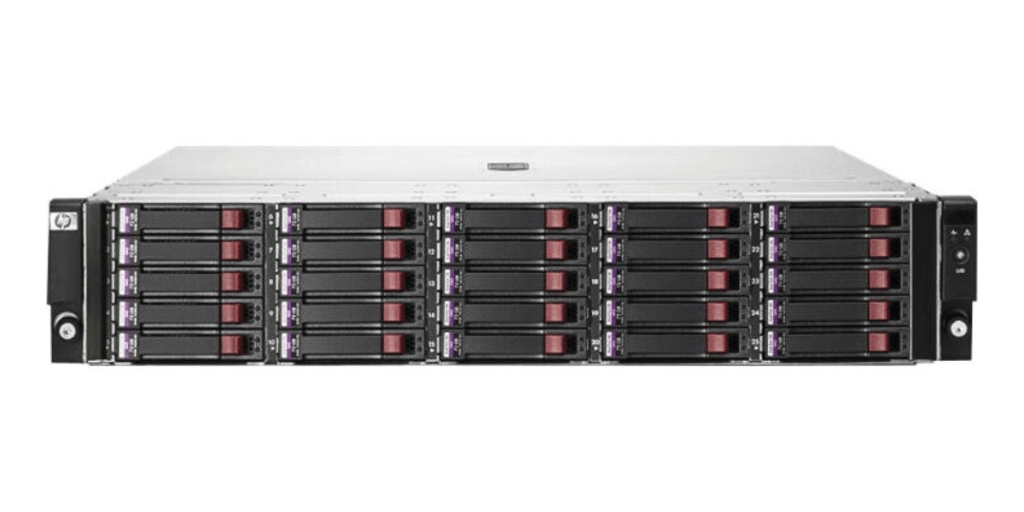
Storage expansion & growth​

As data volumes increase, organisations often need to expand existing storage environments without undertaking a full platform refresh. Extending what you already own protects prior investment while creating headroom for the next phase of growth.

Common Expansion Options

  • Expansion Shelves

    Add additional capacity while retaining your existing storage platform.

  • Storage Drive Upgrades

    Increase usable capacity through larger HDD or SSD media.

  • Legacy Storage Expansion

    Extend the lifespan of existing storage investments where replacement is not yet required.

  • Performance Upgrades

    Improve throughput and responsiveness through controller, cache, or media upgrades where supported.

Running Out of Capacity

Challenge

When available storage starts to run low, growth slows and the risk of disruption increases.

Solution

  • Add expansion shelves and additional drives to quickly increase capacity while keeping your existing platform in place.

New Workloads Require More Storage

Challenge

New applications and data demands can quickly outgrow current storage capacity.

Solution

  • Use capacity upgrades and platform expansion to support new workloads without unnecessary redesign or downtime.

Delaying a Storage Refresh

Challenge

A full refresh may not be the right move yet, but the current platform still needs room to perform.

Solution

  • Choose legacy expansion options to extend the life of existing storage and delay capital spend with confidence.

Supporting Business Growth

Challenge

Business growth needs storage that can scale smoothly without forcing reactive upgrades.

Solution

  • Deploy scalable storage architectures that grow with demand and give the business a stronger long-term foundation.
Steel City Consulting logo

Plan your next storage move with confidence

Book a short consultation with our storage specialists to pinpoint where your current platform is holding you back and what the right next step looks like.

02

Data Protection, Backup & Recovery

Protecting business-critical data requires more than storage alone. Modern organisations need comprehensive backup, disaster recovery, ransomware protection, and business continuity strategies.

Common Data Protection & Recovery Challenges We Solve

Recovering Business-Critical Data

Challenge

Accidental deletions, application corruptions, or database errors can bring daily workflows and essential user services to a sudden halt if recovery performance is not aligned to the workload.

Solution

  • We right-size target hardware, procure appropriate software features, and integrate licensing to deliver granular operational backup capabilities that rapidly restore files, databases, and workloads.

Protecting Against Infrastructure Failure

Challenge

Hardware crashes, data center power outages, and site-level incidents risk causing extensive operational downtime and permanent data loss without secondary failover infrastructure.

Solution

  • We engineer and procure matching hardware architectures bundled with native replication licensing, delivering seamless site-to-site recovery capabilities tailored to your environment.

Recovering From Ransomware & Cyber Incidents

Challenge

Sophisticated cyber-attacks can compromise active networks, encrypt primary production volumes, and target vulnerable or poorly configured online backup data repositories.

Solution

  • We build complete cyber vault solutions, combining specialized air-gapped hardware with software-defined immutable storage licensing to ensure clean, verified restorations.

Meeting Long-Term Retention Requirements

Challenge

Strict legal framework mandates, financial regulations, and corporate governance require long-term archiving, which can quickly overload and misallocate primary array capacity.

Solution

  • We right-size high-density expansion hardware and set up data-tiering logic with automated archiving software capabilities to retain compliance datasets cost-effectively.

Common Recovery Scenarios

  • Operational Recovery

    Rapidly recover deleted files, corrupted systems, or failed daily workloads to maintain business continuity.

  • Disaster Recovery

    Protect critical systems from major infrastructure failures, power outages, or site-level incidents.

  • Cyber Recovery

    Ensure reliable, clean restoration of your data and environment following ransomware and targeted cyber-attacks.

  • Long-Term Backup Retention

    Securely retain backup data over extended periods to meet strict regulatory compliance and governance purposes.

Data Backup & Recovery Platforms

Data Protection, Backup & Recovery
Select your vendor platform.

BEST FOR: Integrated backup, disaster recovery, replication, and business continuity strategies across hybrid architectures.

BEST FOR: Enterprise-grade backup, isolated cyber recovery vaults, and strict long-term data protection management.

BEST FOR: Virtualised, cloud, and hybrid environments requiring highly flexible, hardware-agnostic backup and recovery capabilities.
Steel City Consulting logo

Backup and recovery built around your workloads

We deliver data protection that safeguards critical workloads, shortens recovery times, and keeps retention costs predictable as data volumes grow.

03

Archive, Retention & Compliance

Long-term data retention is often required for operational, legal, regulatory, and governance purposes. We help organisations design archive strategies that balance accessibility, compliance, and cost efficiency.

Common Archive & Retention Challenges We Solve

Reducing Long-Term Storage Costs

Challenge

Retaining legacy, inactive, or historical datasets on high-performance primary storage rapidly inflates infrastructure budgets and squanders valuable array capacity.

Solution

  • We deploy cost-effective, high-density secondary storage tiers and automated archiving platforms, moving cold data off expensive production volumes while maintaining low-cost, on-demand file access.

Meeting Regulatory Retention Requirements

Challenge

Strict legal mandates, financial regulations, and industry corporate governance demand strict multi-year data preservation, exposing organizations to heavy compliance fines if audit trails are incomplete.

Solution

  • We right-size compliant data-archiving solutions featuring automated retention schedules and immutable WORM storage logic, ensuring your long-term compliance datasets remain securely locked and tamper-proof.

Managing Growing Data Volumes

Challenge

Unchecked, exponential data growth degrades application performance, bloats backup windows, and makes day-to-day data center storage operations complex and unmanageable.

Solution

  • We design highly scalable, scale-out archiving architectures paired with deep data deduplication, helping you consolidate massive unstructured datasets into efficient, easily managed deep-storage tiers.

Simplifying Data Governance

Challenge

Scattered unindexed data repositories make fulfilling Subject Access Requests (SARs), legal discovery obligations, or internal deletion audits an incredibly manual, error-prone task.

Solution

  • We integrate centralized archiving software platforms built around advanced indexing and search capabilities, giving your management teams complete visibility to locate, retrieve, or purge records instantly.

Why Archiving Matters

Keeping inactive data on primary storage increases costs and complexity.

Archive platforms help organisations:

  • Reduce Storage Costs

    Move inactive data off primary storage and onto lower-cost archive tiers.

  • Improve Compliance

    Meet regulatory obligations with dedicated archive and retention controls.

  • Meet Retention Requirements

    Retain records for the exact periods your industry and policies require.

  • Simplify Data Governance

    Apply consistent lifecycle and access policies across all archived data.

Archiving covers...

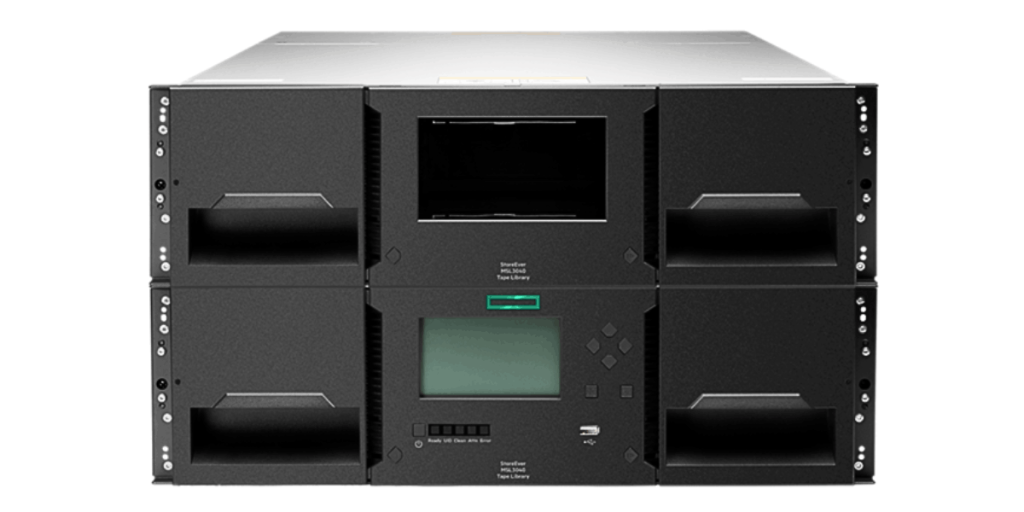
  • Tape Archive

    Physical tape-based storage, retained offline.

  • Long-Term Retention

    Keep records accessible long-term.

  • Regulatory Compliance

    Support audits and legal requirements.

  • Data Lifecycle Management

    Manage data from creation to retirement.

  • Cold Storage

    Lower-cost storage for infrequently accessed data.

Understanding Active, Backup & Archive Data

Active Data Backup Data Archive Data
Purpose: Live production workloads powering day-to-day applications and services Purpose: Point-in-time copies created to restore systems and data after loss or failure Purpose: Historical records retained long-term once no longer part of active operations
Accessed: Continuously, by users, systems and applications Accessed: Only when recovery, testing or investigation is required Accessed: Rarely, typically for audit, compliance or reference
Storage: High-performance production storage for fast read/write Storage: Dedicated backup repositories or appliances, separate from production Storage: Archive platforms, tape libraries or cold storage built for long-term retention
Best for: Running live business operations and day-to-day service delivery Best for: Recovering and restoring systems or data if something is lost Best for: Meeting compliance, governance and retention obligations

Archive & Retention Platforms

Archive & Retention Solutions Select an archive platform for long-term retention, compliance, and cold storage.

Typical archive use cases

  • Healthcare retention requirements

    Long-term retention of patient records, clinical datasets, imaging archives, and operational healthcare records for defined retention periods.

  • Financial services compliance

    Storage of regulated records, audit material, transactional history, and governance data that must remain accessible for review or investigation.

  • Public sector archiving

    Structured retention of historical records, case files, departmental data, and public service information across long-term archive platforms.

  • Long-term backup retention

    Retaining selected backup sets beyond normal operational recovery windows for compliance, investigation, or extended protection requirements.

  • Regulatory record keeping

    Preserving records for legal, regulatory, corporate governance, and audit obligations without overloading active production storage.

  • Cold storage

    Moving rarely accessed data into lower-cost archive tiers while maintaining controlled access for retrieval, audit, and governance needs.
04

Storage Management, Visibility & Automation

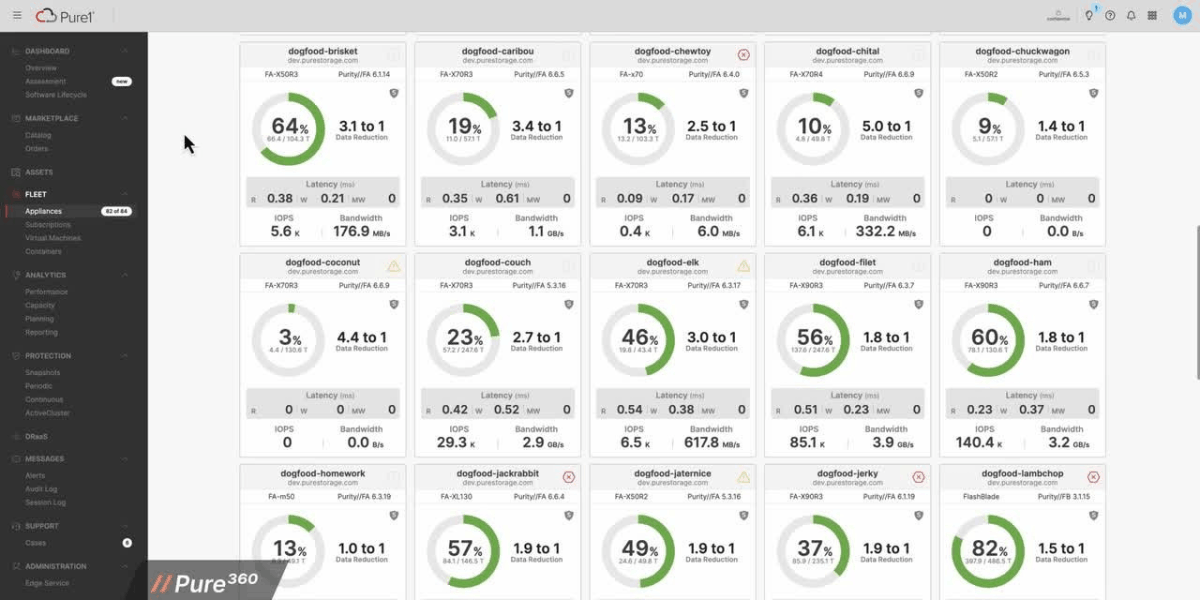
Effective storage management extends beyond capacity provisioning. Modern management platforms improve visibility, simplify administration, and provide operational insight across storage environments.

Common Storage Management Challenges We Solve

Improving Storage Visibility

Challenge

Disconnected storage tools, unclear capacity reporting, and limited workload insight make it difficult to understand where data sits, how resources are being used, and where risks are developing.

Solution

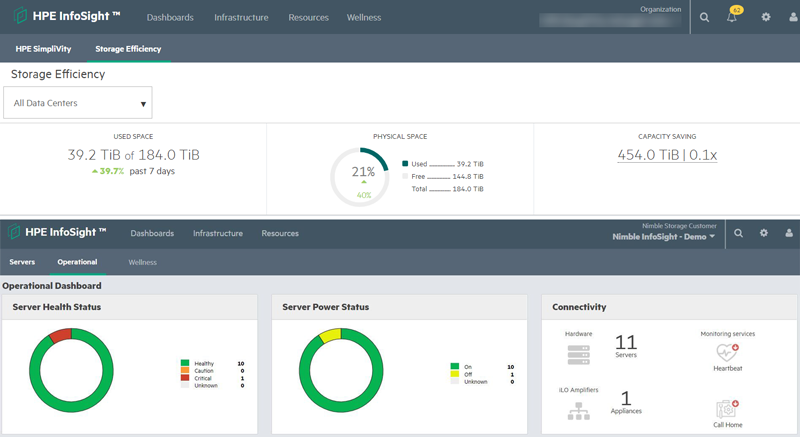
  • We assess your storage estate, consolidate management visibility, and configure monitoring platforms that give IT teams clearer insight into capacity, utilisation, health, and workload behaviour.

Planning for Future Growth

Challenge

Unpredictable data growth, ageing storage arrays, and limited forecasting can lead to rushed upgrades, unexpected capacity shortages, and avoidable spend on poorly matched infrastructure.

Solution

  • We analyse current usage, model future capacity requirements, and recommend scalable storage architectures that support planned growth without overprovisioning or disrupting live services.

Reducing Administrative Overhead

Challenge

Manual provisioning, fragmented reporting, and repetitive storage management tasks consume IT time that could be better used on service improvement, security, and infrastructure planning.

Solution

  • We streamline storage administration through centralised management, automated reporting, lifecycle planning, and practical configuration improvements that reduce routine manual intervention.

Optimising Storage Performance

Challenge

Latency, uneven workload distribution, ageing disks, and poorly tuned storage policies can affect application performance, user experience, and the reliability of business-critical services.

Solution

  • We review workload patterns, identify bottlenecks, and tune storage platforms to improve responsiveness, balance resource usage, and support more consistent application performance.

Storage Management Platforms

Storage Visibility & Management Platforms Select a management platform for monitoring, analytics, capacity planning, and operational visibility.

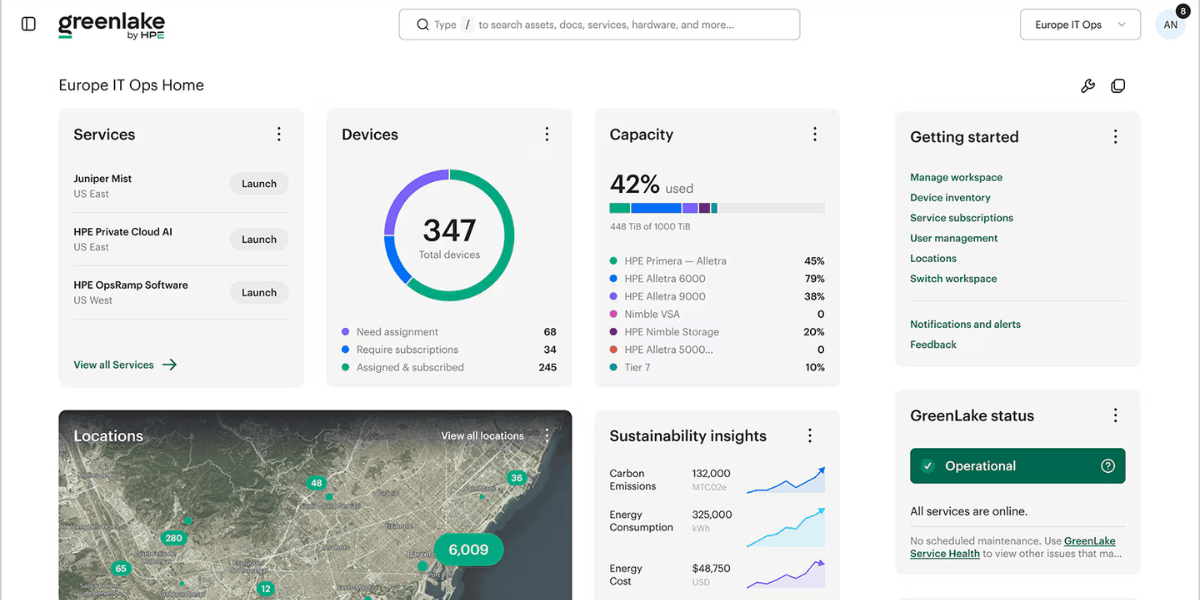
Designed for: Infrastructure management, monitoring and analytics, capacity planning, performance visibility, and operational efficiency across HPE environments that need predictive insight and AI-driven optimisation.

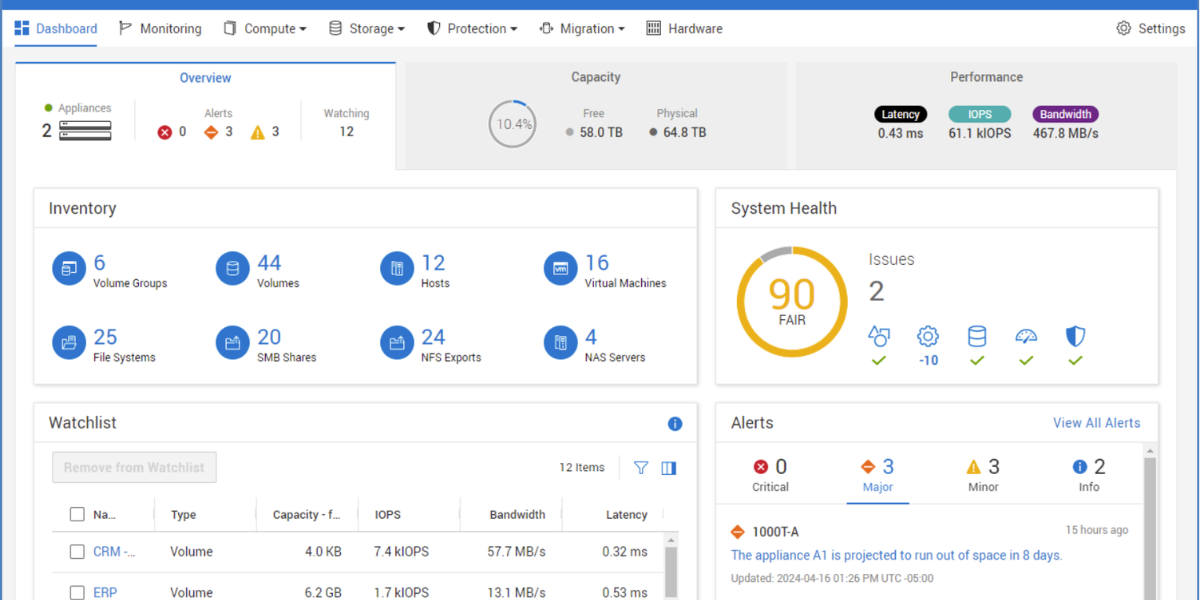
Designed for: Infrastructure management, monitoring and analytics, capacity planning, performance visibility, and operational efficiency across Dell storage estates that need multi-system management and operational analytics.

Steel City Consulting logo
We deliver enterprise-grade data protection solutions that safeguard critical workloads, accelerate recovery, and ensure business continuity — without runaway costs or complexity.

Choosing the Right Storage Platform for Your Environment​

Every organisation stores, protects, and accesses data differently. Some need fast storage for critical applications, while others need scalable capacity, stronger backup, easier management, or better recovery options. We help you choose the right storage platforms for your workloads, data growth, resilience needs, and long-term plans.

Cost-Controlled Shared Storage

Typical operational need

Reliable shared storage, straightforward management, predictable capacity growth, and a practical platform for smaller or cost-sensitive environments.

Best fit based on capability

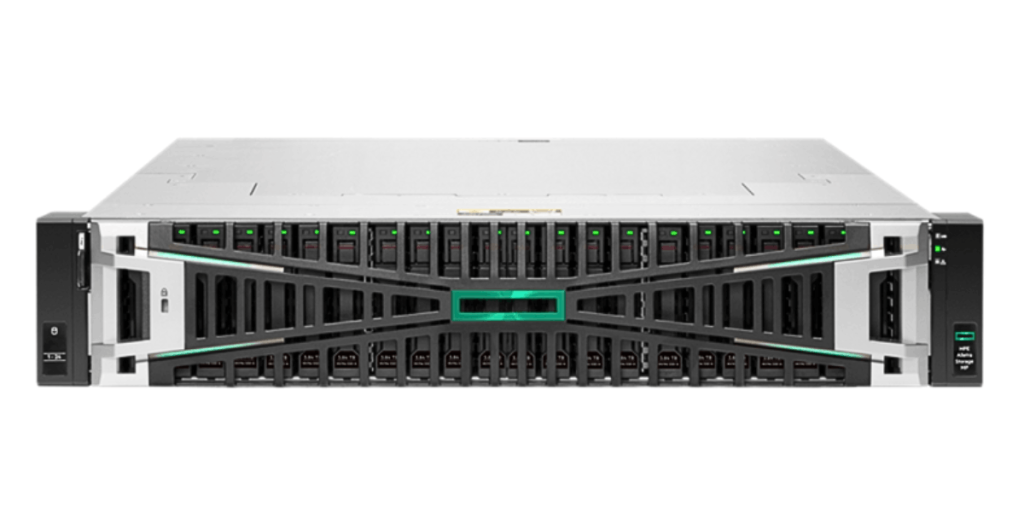
HPE MSA Storage

Why

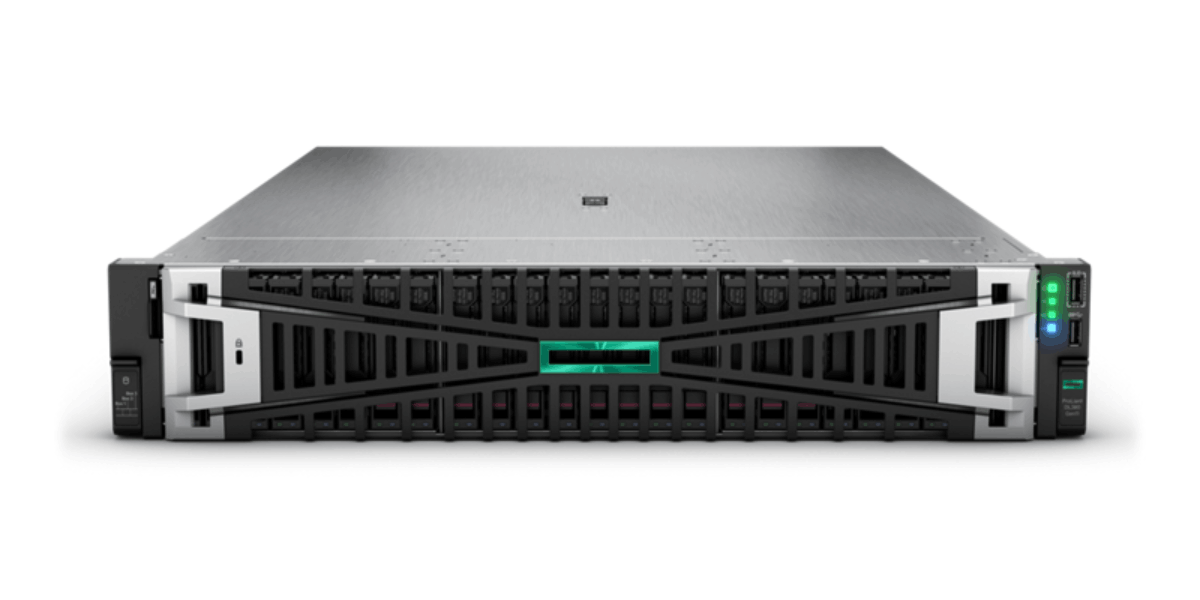
HPE MSA Storage is suited to organisations that need dependable shared storage without moving into higher-end enterprise arrays. It gives IT teams a practical platform for virtualisation, backup, file services, branch sites, and local business systems.

Common deployment scenarios

SMBs, branch offices, education, manufacturing, local virtualisation clusters, backup repositories, file services, and cost-sensitive shared storage environments.

Modern Production Storage

Typical operational need

Stronger performance, simpler administration, efficient capacity use, and support for mixed workloads across growing business environments.

Best fit based on capability

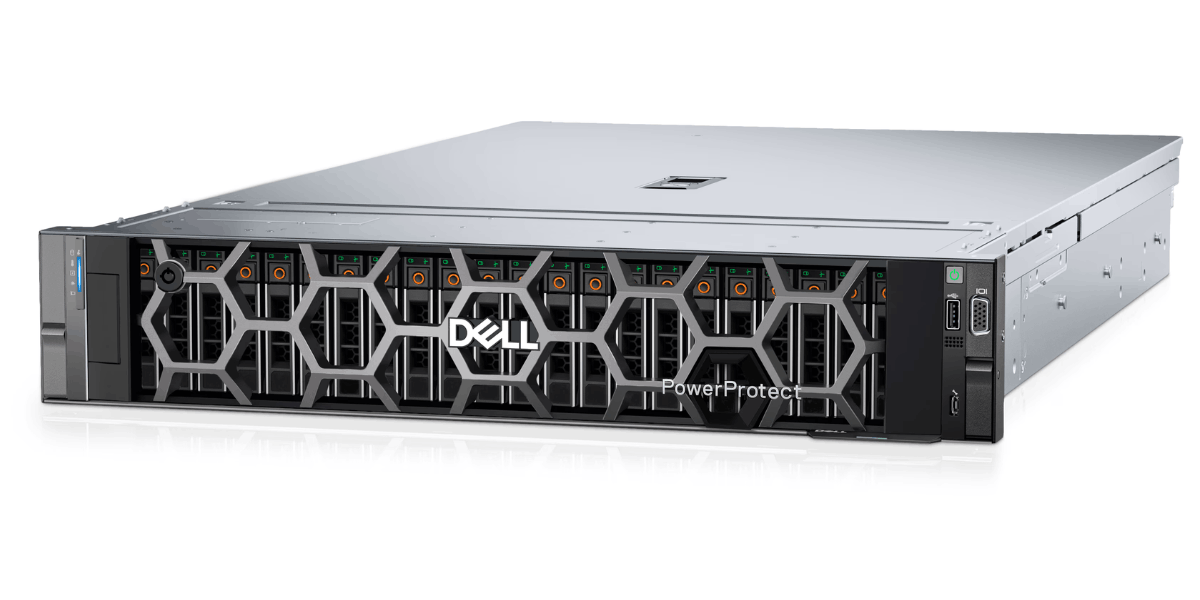
Dell PowerStore

Why

Dell PowerStore is suited to mixed workload demands. It provides a strong balance of performance, scalability, and simplicity, supporting block and file workloads such as virtualisation, databases, applications, and file services without requiring a mission-critical enterprise array.

Common deployment scenarios

Mid-market businesses, enterprise departments, universities, SaaS providers, VMware estates, databases, file services, VDI, analytics, and mixed production workloads.

Scalable Enterprise Storage Growth

Typical operational need

Room to scale, strong resilience, centralised management, and a storage architecture that can adapt as performance and capacity needs change.

Best fit based on capability

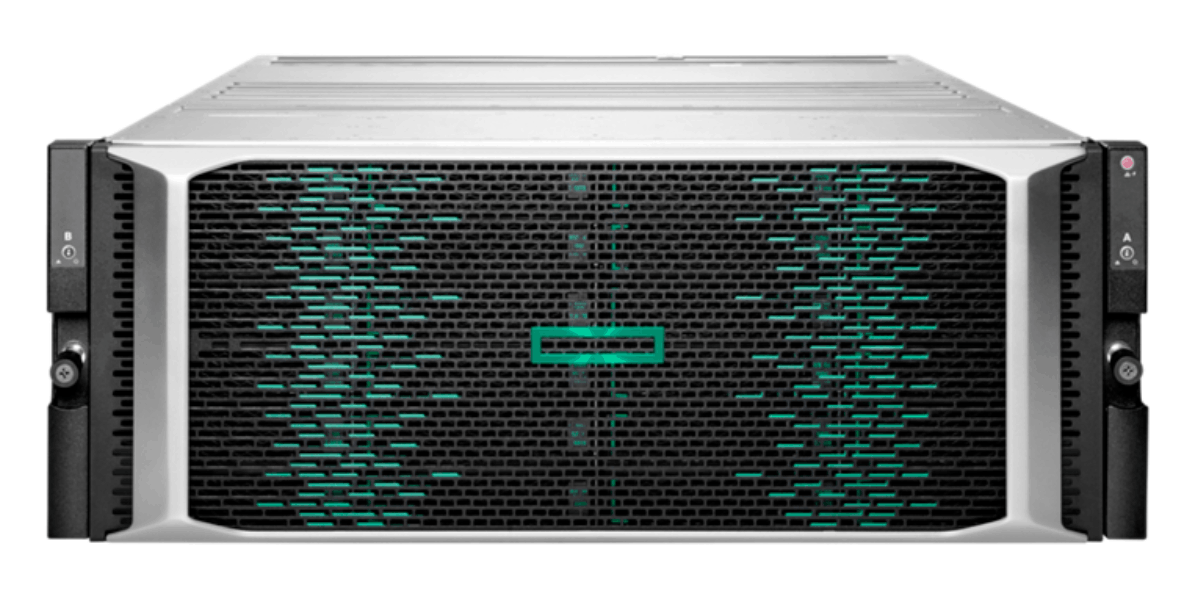
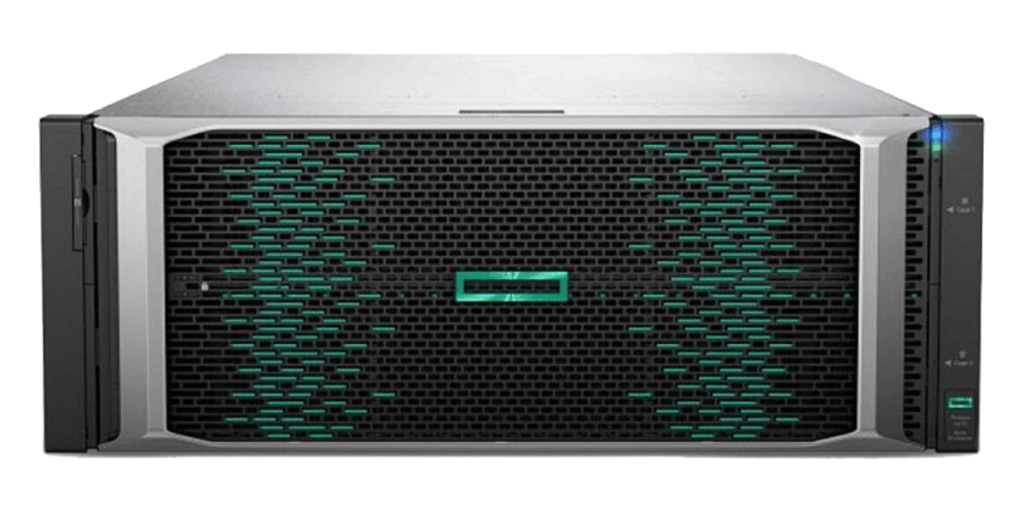
HPE Alletra MP

Why

HPE Alletra MP is suited to organisations that need storage to grow without repeatedly replacing entire systems. It helps teams scale capacity and performance more flexibly, reduce overprovisioning, and support larger data estates with less disruption.

Common deployment scenarios

Large enterprises, service providers, private cloud platforms, regulated sectors, analytics environments, and organisations planning for long-term storage growth.

Critical Application Storage

Typical operational need

High availability, low latency, strong data protection, secure replication, and predictable performance for the most critical business systems.

Best fit based on capability

Dell PowerMax

Why

Dell PowerMax is suited to organisations where storage downtime, latency, or data loss would create serious operational risk. It is a strong choice for critical databases, transactional systems, regulated data, ERP platforms, and always-on enterprise applications.

Common deployment scenarios

Financial services, healthcare, government, large enterprises, payment platforms, ERP systems, core databases, and high-value applications that need continuous availability.

Production storage is only one part of a modern storage strategy. Most organisations also combine primary storage with backup, disaster recovery, and archive solutions to protect and retain business-critical data.

Steel City Consulting logo

Get a clear recommendation for your storage needs

Unsure whether HPE or Dell is the right fit? Our specialists can assess your workloads, existing estate, growth plans and operational requirements, then recommend the right approach.

Where Storage Fits Within Your Wider Infrastructure Strategy

Modern storage environments rarely operate in isolation. Storage platforms are typically deployed alongside compute, virtualisation, cloud, and AI infrastructure.

Supporting You at Every Stage

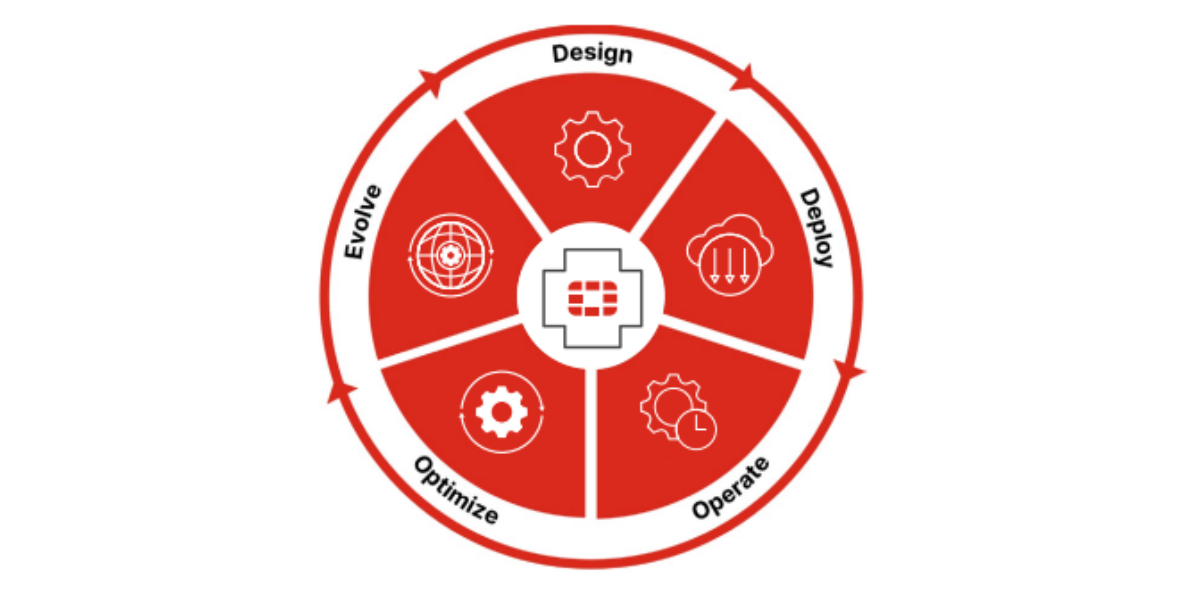
From storage design and platform selection through to management, backup planning and retention strategies, we help organisations build, operate and evolve resilient data infrastructure with confidence.
  • Storage Architecture & Right-Sizing We help design storage environments around your workload, performance, resilience and growth requirements, selecting platforms that fit the role without overspending on unnecessary capacity or limiting future expansion.
  • Pre-Configuration & Deployment Support We support storage rollouts with expert pre-configuration, compatibility checks and deployment guidance, helping align new platforms with compute, virtualisation, backup and cloud infrastructure before they enter production. Learn more about enterprise storage pre-configuration.
  • Capacity Assessment & Expansion Planning Our specialists assess current utilisation, growth patterns and performance requirements to help organisations expand storage efficiently as data volumes increase, avoiding reactive upgrades and poorly matched hardware.
  • Storage Refresh & Modernisation We support technology refresh, platform migration and infrastructure modernisation projects by helping compare options, plan transition paths and reduce risk when replacing ageing or constrained storage systems.
  • Lifecycle Management & Optimisation We provide ongoing storage guidance, maintenance planning and optimisation support to help maintain performance, improve efficiency and plan long-term infrastructure evolution as business and data requirements change.

Book a Free 30-Minute Consultation Call

Get expert advice, no commitment needed. Your consultation link will be sent via email.

Enterprise Storage Solutions — FAQs

Which storage platform is right for my organisation?

Choose HPE MSA for cost-controlled shared storage, Dell PowerStore for mixed production workloads, HPE Alletra Storage MP for flexible scaling across larger estates, or Dell PowerMax for mission-critical applications.

The right choice depends on workload performance, capacity growth, resilience requirements, and how the environment is managed day to day. As an official partner of both HPE and Dell, we give unbiased advice across the full range and right-size to actual workload demand rather than push a single vendor. Talk to our team about sizing the right platform for your environment.

What is the difference between primary storage, backup, and archive storage?

Primary storage runs live workloads. Backup storage protects against data loss. Archive storage retains data no longer in active use.

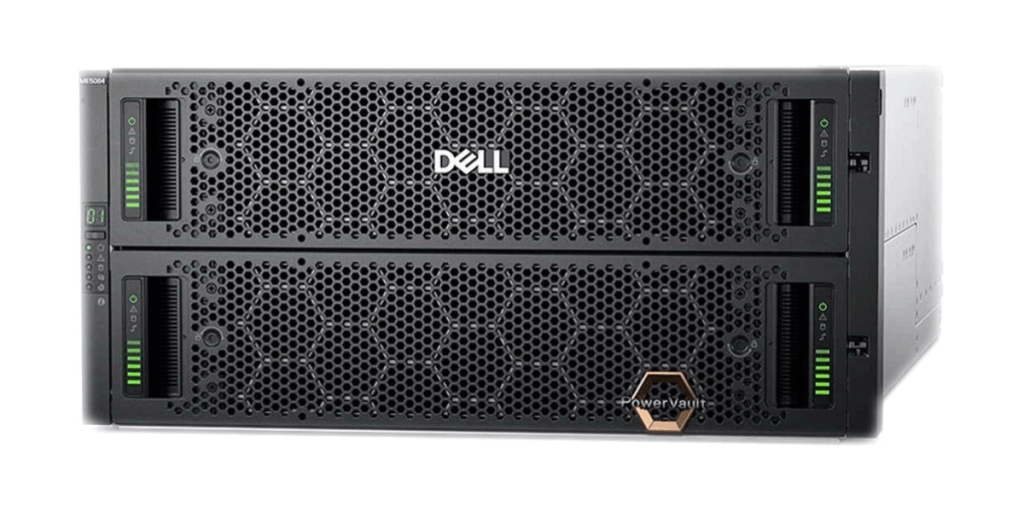
Primary platforms such as Dell PowerStore or HPE Alletra Storage MP support active applications and databases. Backup storage holds recovery copies for restoring after corruption, failure, or cyber incidents. Archive — often tape platforms such as HPE StoreEver or Dell PowerVault — supports long-term retention and offline protection.

How do I choose between all-flash and hybrid storage?

Choose all-flash for any workload where performance or latency matters — databases, virtualisation, VDI, production applications. Hybrid best suits capacity-driven workloads such as backup targets or archive staging.

Most production environments now standardise on all-flash because inconsistent latency from spinning disk affects users and application performance in ways that are hard to engineer around. Hybrid still has a role where volume of data matters more than speed of access. Speak to a specialist for clear advice on all-flash and hybrid options across HPE and Dell.

What is the difference between backup and disaster recovery?

Backup creates recoverable copies of data. Disaster recovery restores services and operations after a major incident.

Backup protects against corruption, deletion, ransomware, and hardware failure. Disaster recovery covers how applications, systems, and infrastructure come back online after a major event — often at a secondary site or using replicated storage. A complete strategy uses both, sized to how much downtime and data loss the business can actually tolerate.

When should organisations consider storage expansion rather than replacement?

Expand when the platform is healthy and only capacity is the issue. Replace when performance is dropping, support is ending, or resilience no longer matches the risk profile.

Adding expansion enclosures to platforms such as HPE MSA can extend useful life without the cost or disruption of a full refresh. But if applications are slowing down, backup windows are overrunning, or the array no longer fits the operational model, moving to Dell PowerStore, HPE Alletra Storage MP, or Dell PowerMax is usually the better long-term decision. Get an honest assessment of whether to extend, refresh, or re-platform.

How long should organisations retain archived data?

Retention depends on sector. In Healthcare, typically 8 years. Foe financial records and legal client files, 6+ years. Some records — occupational health, pensions, regulated data — run to 30 years or more.

Holding years or decades of data on primary or all-flash storage gets expensive fast, and most of it will never be accessed again. Long-term retention is usually best supported by tape platforms such as HPE StoreEver and Dell PowerVault, which offer low-cost, removable, and air-gapped storage suited to compliance and offline recovery.

How do storage management platforms improve visibility and performance?

They surface performance bottlenecks before users feel them, forecast capacity growth, monitor resilience, and reduce day-to-day management effort.

Dell PowerStore, HPE Alletra Storage MP, and Dell PowerMax all include built-in analytics and management tooling that support consistent policies across multiple systems and remove much of the guesswork from capacity and performance planning.

Get a recommendation for your storage estate

Tell us about your environment and we’ll recommend the right storage platform and management tooling for your specific requirements — with no obligation.

A group discussing IT solutions