














AI Infrastructure & HPC Solutions
AI and HPC infrastructure built for training clusters, production inference, and accelerated compute workloads.
The Challenge of Modern AI & HPC Infrastructure
AI and high-performance computing workloads are placing increasing pressure on infrastructure performance, scalability, and processing efficiency. Many traditional environments were not designed for today's levels of compute intensity, GPU dependency, data movement, or accelerated processing.
As a result, organisations face a consistent set of challenges:
- Infrastructure complexity, as organisations must size and plan GPU, CPU, memory, networking, and scalability requirements before workload behaviour is fully understood.
- GPU demand and availability, with accelerator selection, supply, lead times, and software stack compatibility all influencing platform decisions.
- Data movement and pipeline limitations, where large datasets must move efficiently between storage, processing, training, analytics, and archive environments without creating bottlenecks.
- Power, cooling, and data centre readiness concerns, with high-density GPU and accelerated computing infrastructure placing increased demand on facilities, rack design, energy availability, and thermal management.
- Cost control and return on investment uncertainty, as organisations must balance infrastructure performance, utilisation, scalability, and long-term value against significant upfront and operational costs.
- AI readiness across the wider estate, ensuring compute, storage, networking, and facilities are aligned to support workloads at production scale rather than proof-of-concept size.
These challenges directly impact workload performance, operational efficiency, infrastructure readiness, and the ability to scale advanced computing environments effectively.
Modern AI training and HPC solutions address this through correctly sized infrastructure, optimised data pipelines, high-performance storage, data centre-ready design, and scalable platforms that support efficient accelerated computing environments.
Common AI Infrastructure Network Challenges — And How We Solve Them
Here are some of the most common challenges we help AI & HPC environments to overcome:
AI Infrastructure Sizing & Planning
AI and HPC workloads can be difficult to size correctly, with changing requirements across GPU capacity, CPU performance, memory, networking, and future scalability.
Solution
- Structured infrastructure planning helps define the right compute architecture for current workloads while allowing room for future AI and HPC growth.
Data Pipelines & Data Movement
Large datasets need to move efficiently between storage, compute, training, analytics, and archive environments without slowing workload performance.
Solution
- Optimised data pipelines and high-speed networking help reduce bottlenecks and support faster movement of data across AI and HPC environments.
Storage Performance & Capacity
AI and HPC workloads place pressure on storage performance and capacity, requiring fast access to large and rapidly growing datasets.
Solution
- High-performance storage architectures provide the throughput, low-latency access, and scalable capacity needed for demanding data-intensive workloads.
Power, Cooling & Data Centre Readiness
High-density GPU and accelerated computing infrastructure can create new demands around power availability, cooling, rack design, and data centre suitability.
Solution
- Data centre readiness planning helps ensure AI and HPC platforms are supported by the right power, cooling, space, and deployment environment.
Cost Control & Return on Investment
AI and HPC infrastructure can involve significant upfront and operational costs, making it important to control spend and maximise long-term value.
Solution
- Right-sized infrastructure, efficient utilisation, and scalable design help improve return on investment while reducing unnecessary cost and complexity.
From AI infrastructure sizing and planning through to deployment and optimisation, we deliver AI and HPC solutions that improve performance, simplify infrastructure decisions, and prepare your organisation for future growth.
A Structured Approach to AI Infrastructures
Every AI infrastructure environment is built in layers. The decisions made across compute, storage, networking, data movement, power, and cooling determine performance, scalability, and long-term value.
We work with leading vendors to design and deliver solutions across each layer, ensuring the right technology is selected for your workloads, growth plans, and operational requirements.
AI Compute Infrastructure
The physical foundation everything depends on.
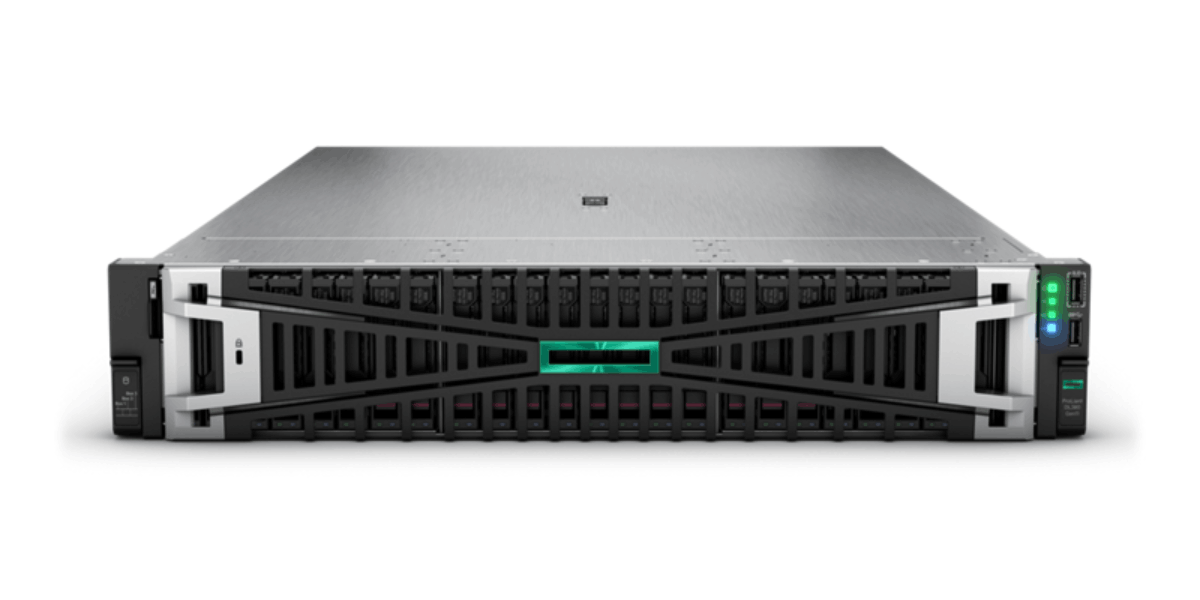
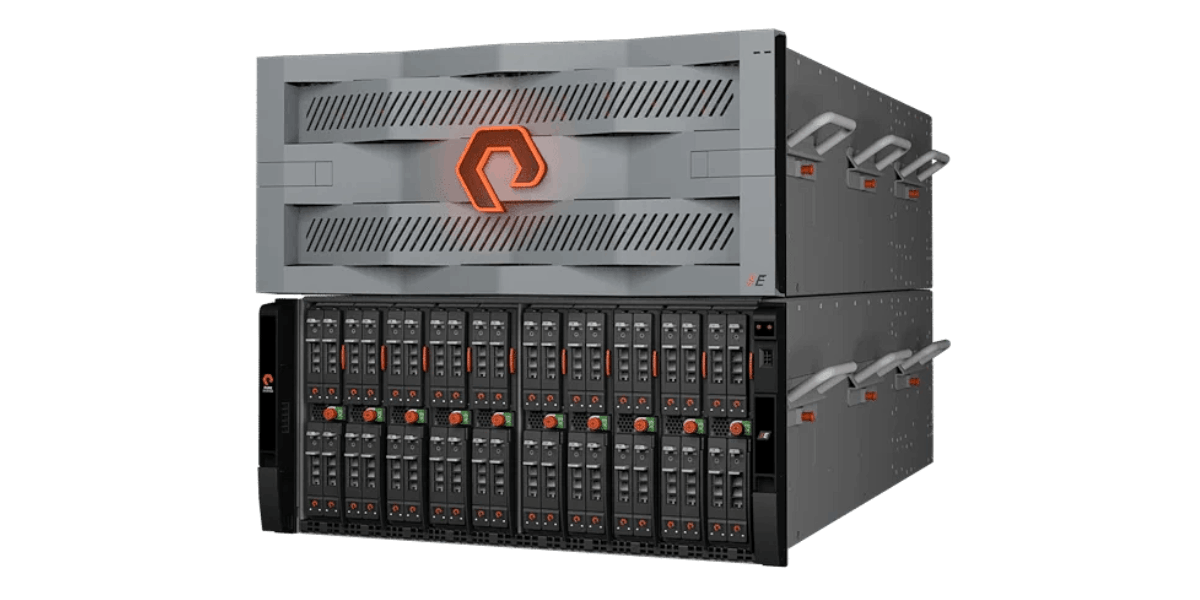
We work with leading AI supercomputing systems, AI and GPU servers, training GPUs, and inference GPUs to deliver reliable, high-performance infrastructure built for demanding AI and HPC workloads.
AI Servers & GPU-Accelerated Compute Platforms
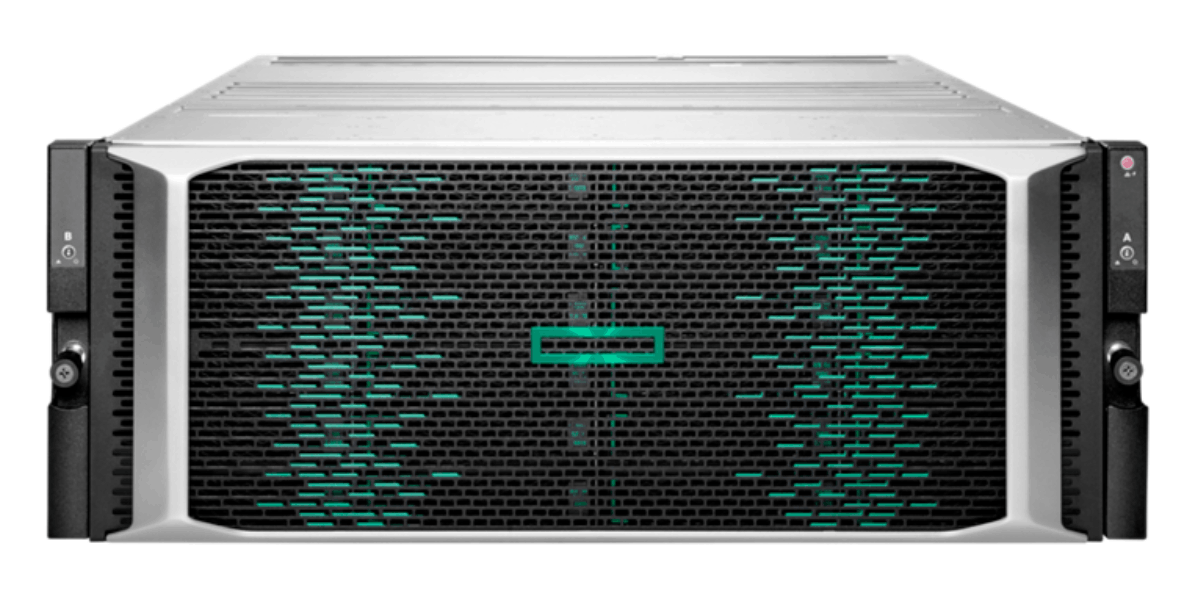
Designed for: Private AI infrastructure with HPE GreenLake for sovereignty and security.
Private AI infrastructure
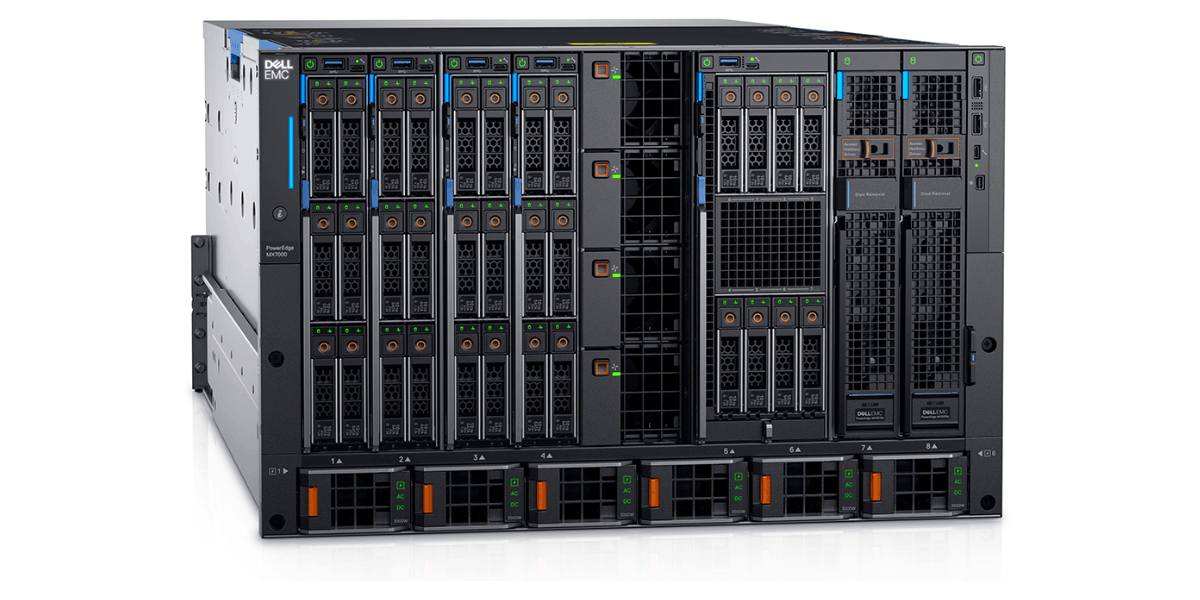
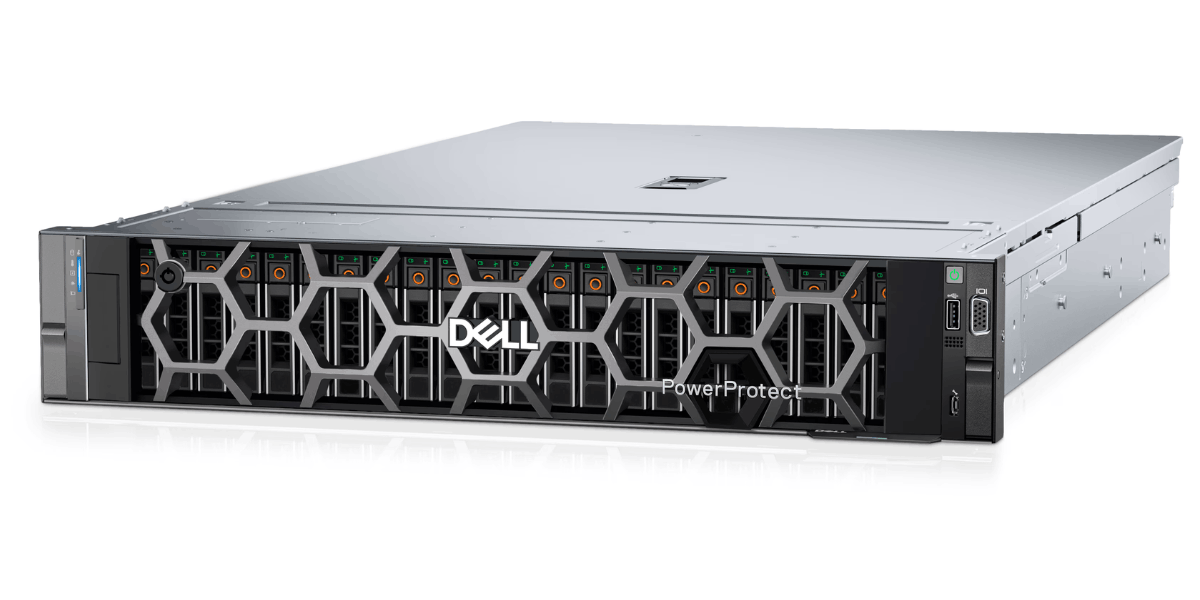
Designed for: Enterprise AI platforms with Dell AI Factory for sovereign corporate AI.
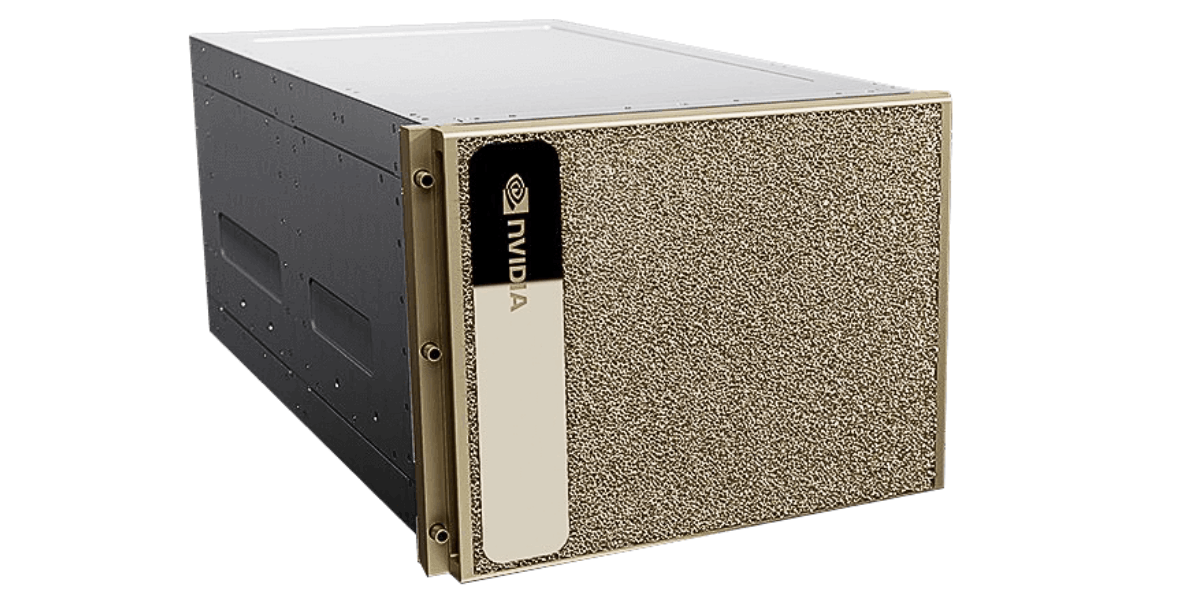
Designed for: NVIDIA-certified systems engineered for large-scale AI deployments.
NVIDIA-certified systems
Designed for: High-density GPU platforms delivering maximum performance per rack.
| Infrastructure type | Best suited for | Recommended platforms |
|---|---|---|
| Training Infrastructure |
|
|
| Inference Infrastructure |
|
Nvidia Graphics Cards
Many AI infrastructure decisions depend on how GPUs will be used.
We work with NVIDIA GPUs for every AI workload, ensuring your infrastructure is aligned to the right performance, memory, networking, storage, and deployment requirements from the start.
Training GPUs vs Inference GPUs
Training GPUs are built for model development, fine-tuning, and maximum compute performance, while inference GPUs are designed to serve AI models efficiently in production. See their key differences and recommended GPU models below.
| Type | Characteristics | Recommended GPUs |
|---|---|---|
| Training GPUs |
|
B200, H200, H100, A100 |
| Inference GPUs |
|
L40S, L4, H100, H200 |
High-Performance Interconnects & Data Movement
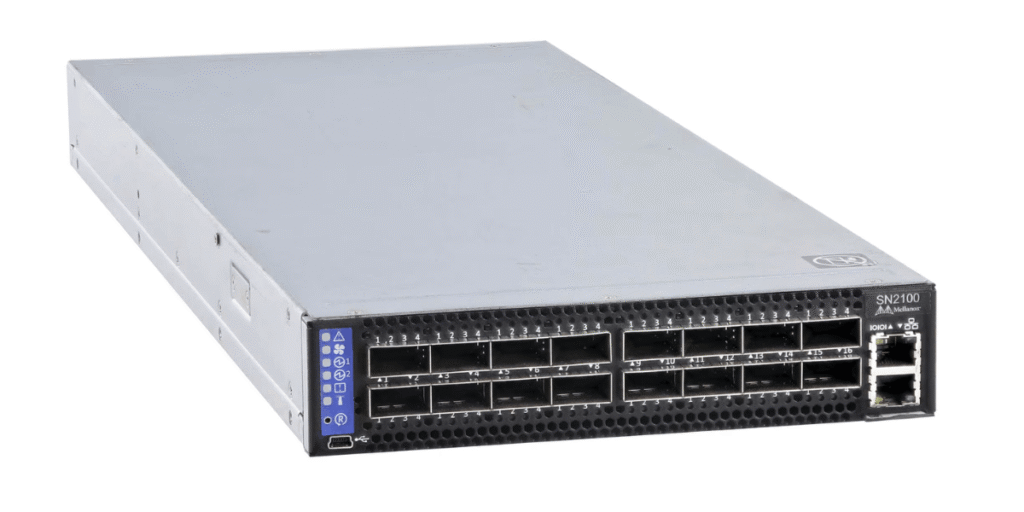
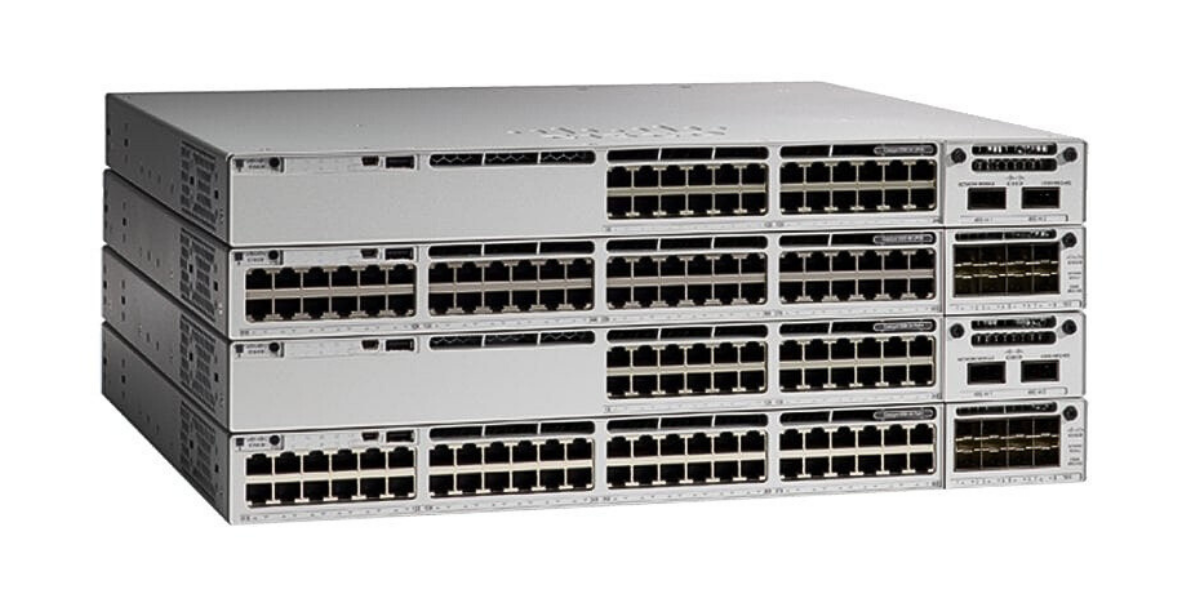
From Ethernet and InfiniBand switching to DPUs and network adapters, we help teams build the connectivity layer that keeps GPUs, servers, storage, and workloads performing at scale.
Selecting the right approach for your workloads, operational model, and growth plans ensures that performance, scalability, and manageability are built into the design from the start.
Ethernet vs InfiniBand Capabilities
| Ethernet | InfiniBand |
|---|---|
| Suitable for: Enterprise AI environments using existing network skills, tools, and operational processes | Suitable for: Large HPC and AI training clusters where fabric performance is the priority |
| Complexity: Lower complexity for IT teams already managing Ethernet across the wider business | Latency: Lowest latency for tightly coupled GPU, storage, and compute workloads |
| Operations: Familiar monitoring, troubleshooting, and change management for enterprise infrastructure teams | Efficiency: Maximum GPU efficiency where workload scale justifies specialist fabric management |
| Integration: Easier integration with existing data centre, cloud, security, and access-control environments | Workloads: Research, simulation, and model-training environments with dedicated HPC expertise |
Designed for: AI fabrics and accelerated data centres where switching, data processing, and high-speed adapters need to move training and inference traffic at line rate with minimal latency.
NVIDIA Networking
- NVIDIA Ethernet Switches Spectrum switches for lossless Ethernet across AI, cloud, and accelerated data centre fabrics. View products ›
- NVIDIA InfiniBand Switches Quantum switching for AI and HPC clusters needing maximum bandwidth and low latency. View products ›
- NVIDIA Data Processing Units BlueField DPUs that offload networking, storage, and security from the host CPU. View products ›
- NVIDIA High-Speed Network Adapters ConnectX adapters for high-bandwidth, low-latency, RDMA-capable server connectivity. View products ›

Standard Networking vs DPU-Accelerated Infrastructure
| Traditional Networking | DPU-Accelerated Infrastructure |
|---|---|
| Suitable for: General enterprise workloads where standard networking, storage, and security performance is sufficient | Suitable for: AI, HPC, and cloud environments where infrastructure overhead can limit workload performance |
| Capabilities: Simpler architecture where the server CPU handles applications, networking, storage, and security services | Capabilities: Offloads networking, storage, and security services to help preserve CPU resources for demanding workloads |
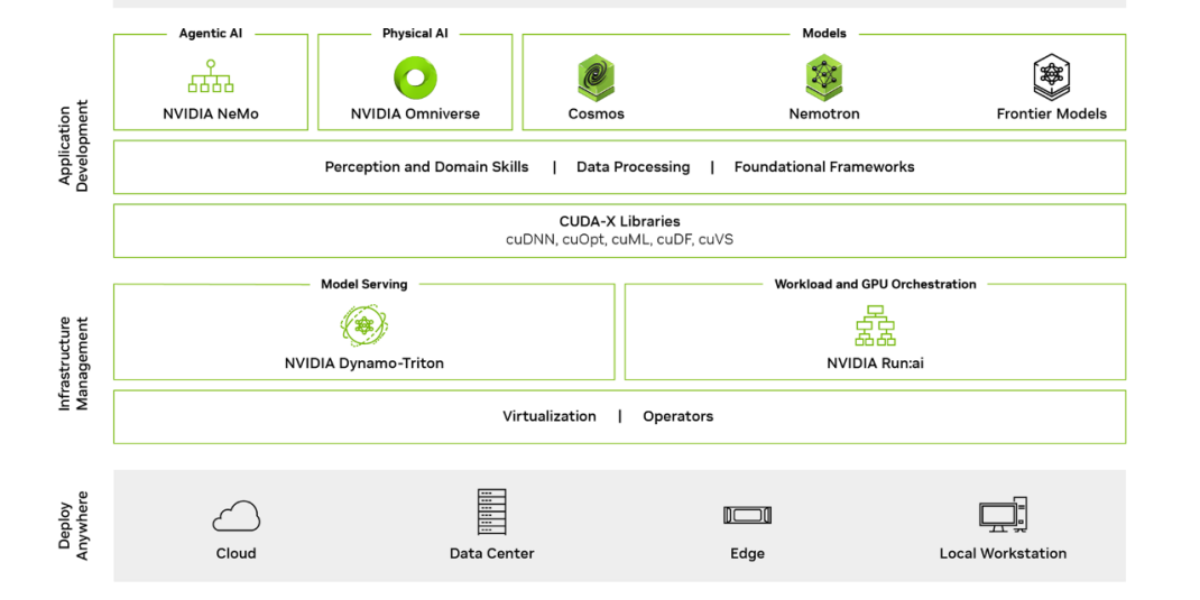
AI Platforms & Development Ecosystems
Running AI in production needs a stack that performs under load, scales with demand, and stays manageable day to day. The right foundation shortens development cycles, keeps deployed models reliable, and maintains consistent production.
From GPU platforms and orchestration to frameworks and runtime tooling, we build AI stacks engineered for high-performing operations without the management overhead — whether you choose NVIDIA, AMD, or hybrid CPU/GPU environments.
AI Inference & Edge AI
Running AI beyond the data centre requires infrastructure that can process decisions close to where data is created, respond quickly, and stay manageable across distributed environments.
We support the full inference and edge AI layer — from production inference platforms to edge systems, automation, and distributed deployments — helping teams reduce latency, improve responsiveness, and keep AI workloads reliable at scale.
Centralised AI vs Edge AI
| Centralised AI | Edge AI |
|---|---|
| Deployment: Data centre environments where AI workloads run on centralised infrastructure | Deployment: Distributed locations where AI processing happens closer to users, devices, and operations |
| Workloads: Larger models and higher-volume workloads that need greater compute density | Workloads: Real-time inference and local decision-making where responsiveness matters |
| Performance: Higher compute density for demanding AI processing in controlled environments | Performance: Lower latency by reducing the distance between data, processing, and action |
Choosing the Right AI Platform
Enterprise AI Infrastructure
Best for
Enterprise AI adoption on private, governed infrastructure — predictable performance, enterprise support, and integration with the existing data centre estate.
Best fit
Why
HPE enterprise AI platforms deliver validated GPU servers for private AI, training, and inference, backed by enterprise support and full lifecycle management.
Common deployment scenarios
Corporates standardising AI on owned, governed infrastructure rather than public cloud.
AI Training & HPC Platforms
Best for
Model training and research — maximum GPU throughput for large-scale training, fine-tuning, and HPC workloads.
Best fit
Why
NVIDIA-certified systems provide validated platforms for AI supercomputing and HPC, engineered for sustained training performance at scale.
Common deployment scenarios
Research teams, model developers, and HPC environments training or fine-tuning large models.
AI Inference Platforms
Best for
Production AI — reliable, scalable serving of trained models with predictable latency and throughput.
Best fit
Why
Dell AI-ready GPU servers support large-scale enterprise deployment, sized for consistent production inference across the estate.
Common deployment scenarios
Enterprises moving models from pilot into production serving at scale.
Edge AI Platforms
Best for
Distributed environments — compact, high-density compute for AI workloads running close to the data, across space-constrained sites.
Best fit
Why
Supermicro high-density GPU platforms deliver maximum performance per rack, suited to distributed sites where space and power are limited.
Common deployment scenarios
Distributed locations and on-prem edge running inference close to the data source.
Where AI Fits Within Your Wider Infrastructure Strategy
Modern data centre infrastructure works best when compute, storage, networking, cloud, power, cooling, and AI platforms are planned as one integrated strategy — creating a resilient, scalable foundation for critical applications and high-performance workloads.
Enterprise Compute Solutions
High-performance server platforms for critical applications, virtualisation, databases, analytics, and enterprise workloads.
Explore enterprise compute ›Data Centre Networking Solutions
Scalable switching, routing, and fabric architectures for resilient data centre connectivity and workload performance.
Explore data centre networking ›Enterprise Storage & Data Protection Solutions
Enterprise storage, backup, recovery, replication, and ransomware resilience for business-critical data.
Explore storage & data protection ›Hybrid & Private Cloud Solutions
Private and hybrid cloud platforms built for control, automation, workload mobility, and operational efficiency.
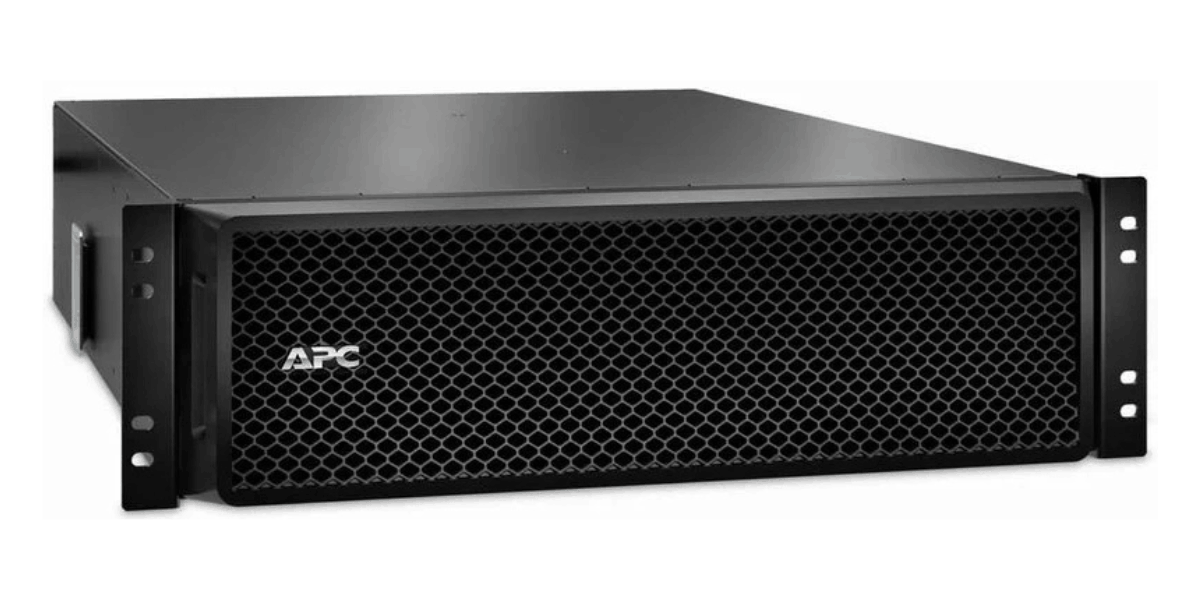
Explore hybrid & private cloud ›Power, Cooling & Infrastructure Solutions
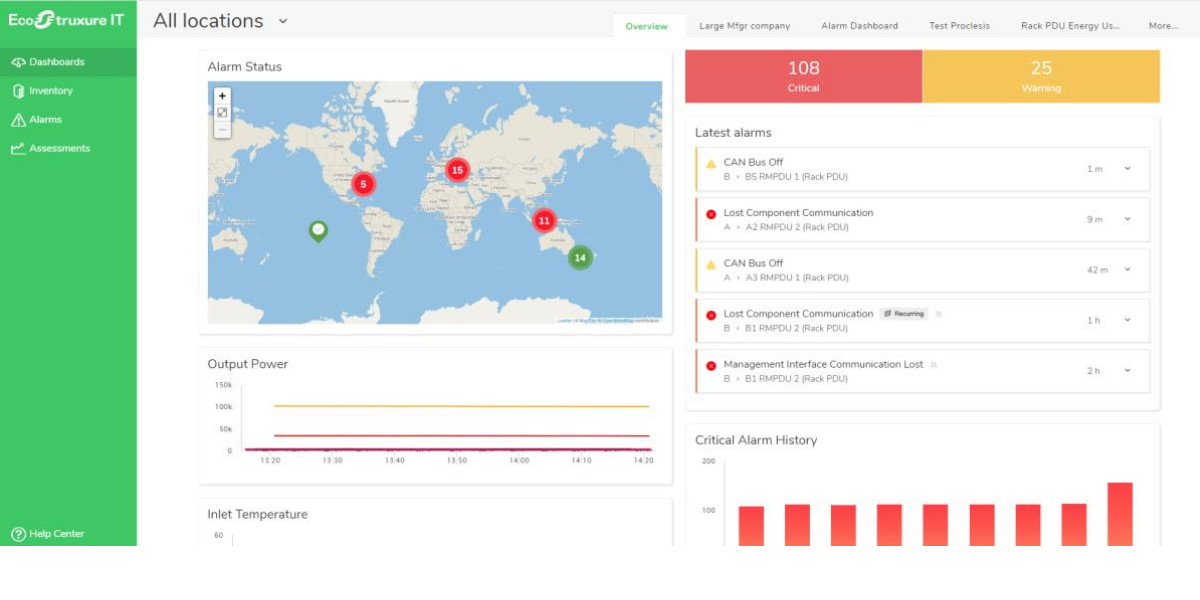
Power, cooling, rack, monitoring, and management systems for reliable critical infrastructure operations.
Explore power & infrastructure ›NVIDIA AI & GPU Solutions
NVIDIA GPU infrastructure for AI training, inference, simulation, visualisation, and high-performance workloads.
Explore NVIDIA AI & GPU solutions ›Supporting You at Every Stage
From design and vendor selection through to deployment and long-term support, we help you build, operate, and protect your AI & HPC environment with confidence.
- AI Architecture & Workload Design We map your target workloads, model sizes, and data pipelines into a clear AI architecture, built around how your platforms will actually run at scale.
- GPU Sizing & TCO Modelling We size GPU compute, memory, networking, and storage against your workloads, then model total cost of ownership across hardware, power, cooling, and lifecycle, so platform decisions are grounded in real numbers.
- AI Infrastructure Design We design end-to-end AI infrastructure spanning GPU servers, high-speed networking, storage, and management — resilient, performant systems built to handle training, inference, and production workloads.
- AI & GPU Cluster Deployment We configure and deploy GPU servers, cluster networking, storage, and management platforms for live use, aligned to your performance, compatibility, and operational requirements.
- Optimisation & Scaling We tune GPU utilisation, cluster performance, and workload placement to improve training times and inference efficiency, with headroom to scale as model and user demand grows.
- AI Readiness Assessments We review your existing infrastructure, power and cooling capacity, networking, and operational maturity against your AI ambitions, surfacing the gaps and the steps needed to close them.
Book a Free 30-Minute Consultation Call
Get expert advice, no commitment needed. Your consultation link will be sent via email.
AI & HPC Infrastructure Solutions — FAQs
What infrastructure is required to support AI workloads?
AI workloads require GPU servers, high-speed networking, fast storage, and the power and cooling capacity to support sustained compute under load.
The specific mix depends on whether you are training models, running inference, or both, and at what scale. Training clusters demand high GPU memory, low-latency interconnects such as NVLink or InfiniBand, and parallel storage. Inference workloads can run on smaller GPUs but need throughput, low response times, and the ability to scale across enterprise, edge, or cloud locations. Book a free AI infrastructure consultation today.
Do I need GPUs for AI?
GPUs are required for almost all serious AI workloads, because they handle the parallel matrix and tensor operations that drive model training and inference far more efficiently than CPUs.
Smaller models and lightweight inference can run on CPUs, but training, fine-tuning, and production inference at any meaningful scale rely on GPUs to deliver acceptable performance and cost. The right model depends on the workload, with high-memory data centre GPUs suited to training and efficiency-focused GPUs handling inference. Browse our NVIDIA GPU range.
Should AI infrastructure be deployed on-premises or in the cloud?
AI infrastructure deployment depends on data sensitivity, workload scale, cost profile, and existing IT environment, with on-premises, cloud, and hybrid models all viable.
On-premises deployments give full control over data sovereignty, security, and long-term cost — important for regulated industries and sustained workloads. Cloud suits variable demand, experimentation, and teams without the capital or facilities for dedicated hardware. Hybrid models combine the two, typically training in one environment and serving inference closer to users. Book a free consultation to discuss your deployment options.
How do I size AI infrastructure correctly?
AI infrastructure is sized by mapping your target workloads, model sizes, and concurrency requirements to GPU compute, memory, networking, and storage capacity.
Under-sizing leads to bottlenecks in training time or inference latency. Over-sizing wastes capital and operating cost on unused capacity. Sizing should account for current workloads, planned model growth, peak versus average demand, and the supporting infrastructure around the GPUs — power, cooling, network throughput, and storage IOPS. Book a free sizing consultation to map your workloads to the right platform.
What networking is required for AI and HPC environments?
AI and HPC environments require high-bandwidth, low-latency networking to move large volumes of data between GPUs, storage, and nodes without becoming the bottleneck.
Inside a training cluster, that typically means NVLink between GPUs and InfiniBand or high-speed Ethernet between nodes, often at 200 to 400 Gbps. Storage networks need to keep GPUs fed with training data, so parallel file systems and RDMA-capable fabrics are common. Inference and production environments have lighter networking demands but still need predictable throughput and low jitter. Book a free consultation to design AI networking for your environment.
How much power and cooling does AI infrastructure require?
AI infrastructure draws significantly more power and generates more heat than standard enterprise compute, with GPU servers regularly drawing 6 to 10 kW per chassis and dense configurations exceeding that.
Rack-level power densities of 30 to 60 kW are now common for AI deployments, well beyond what most existing data centre or server room environments were designed for. Cooling typically shifts from air to liquid or rear-door heat exchangers at higher densities. Without sufficient power and cooling capacity, AI hardware will throttle, fail, or simply not commission. Book a free readiness assessment to check your facility capacity.
What is the difference between AI training and AI inference?
Training is the process of building and refining an AI model from data, while inference is running the trained model in production to generate outputs.
Training is compute-intensive, runs for hours, days, or weeks on dedicated clusters, and demands high GPU memory and fast interconnects to keep large datasets and model parameters moving between processors. Inference is comparatively lightweight per request but needs to be fast, efficient, and scalable across many concurrent users or devices. The two have different infrastructure profiles: training favours high-end data centre GPUs such as the NVIDIA H100, H200, or B200, while inference is often best served by the L40S or L4. Many organisations run both, with training clusters in a central data centre and inference distributed closer to where the outputs are consumed.