










Protect Your Business with Smarter Network Security

Advanced network security designed for resilient, enterprise-grade protection.

The Challenge of Modern Network Security

Enterprise security teams must protect distributed users, devices and applications across offices, remote locations, cloud platforms and third-party environments while responding to increasingly sophisticated cyber threats.

Key challenges include:

  • Defending against evolving cyber threats, ransomware and emerging vulnerabilities.
  • Protecting users, devices and applications across office, remote, branch and third-party access.
  • Securing hybrid and cloud environments spanning on-premises infrastructure, cloud services and SaaS platforms.
  • Managing complex multi-vendor security platforms, policies and data sources.
  • Maintaining estate-wide visibility to identify suspicious activity and security gaps.
  • Supporting compliance, governance and consistent security controls.
  • Balancing strong protection with operational efficiency and user experience.

These pressures can increase operational, compliance and incident-response risk.

Modern network security solutions address them through centralised policy management, threat detection, segmentation and unified visibility, helping organisations strengthen protection without adding unnecessary complexity.

Common Network Security Challenges — And How We Solve Them

Here are some of the most common network security challenges we help organisations overcome:

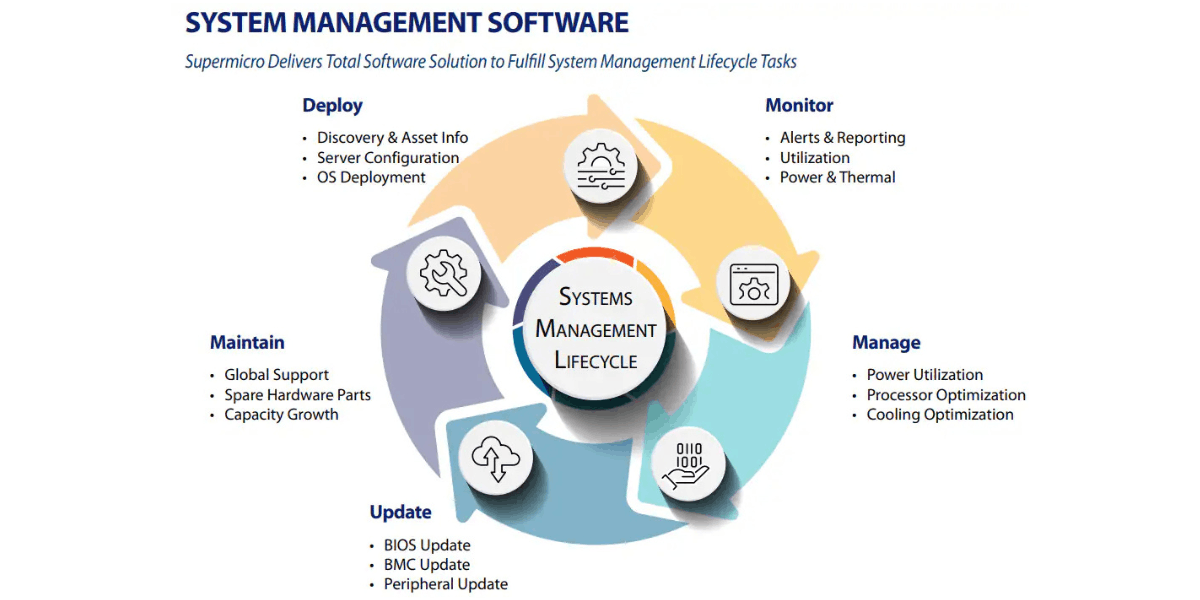
Centralise Infrastructure Management

Challenge

Separate tools make infrastructure harder to control.

Solution

  • Unified management brings monitoring, configuration and policy into one view.

Improve Visibility & Performance

Challenge

Visibility gaps hide faults, bottlenecks and capacity risks.

Solution

  • Centralised monitoring highlights issues before they disrupt services.

Automate Operations & Lifecycle Management

Challenge

Manual updates and provisioning increase workload and risk.

Solution

  • Automation standardises routine tasks, changes and lifecycle processes.

Manage Hybrid & Multi-Site Infrastructure

Challenge

Distributed environments create fragmented management and visibility.

Solution

  • Unified platforms provide consistent control across sites and cloud.

Simplify Network Operations with AI

Challenge

Complex networks make troubleshooting increasingly time-consuming.

Solution

  • AI-assisted insights identify issues faster and automate routine actions.

Reduce Operational Complexity

Challenge

Multi-vendor tools and processes increase administrative overhead.

Solution

  • Integrated workflows simplify management across the infrastructure estate.
Steel City Consulting logo

From architecture and design to implementation and optimisation, we deliver network security solutions that keep pace with emerging threats, simplify policy and compliance control, and enforce consistent protection across your infrastructure.

01

Network Firewalls & Security Gateways

Security gateways remain the foundation of modern cybersecurity architectures, protecting users, applications, sites and data across enterprise, branch and data centre environments.

Traditional Firewall vs Next-Generation Firewall

Traditional Firewall Next-Generation Firewall
Traffic control: Filters traffic primarily by port, protocol and IP address Traffic control: Identifies and controls traffic by application, user and risk
Inspection: Provides basic packet and connection inspection Inspection: Uses deep packet inspection to analyse application traffic and content
Threat prevention: Offers limited protection against advanced malware and intrusion attempts Threat prevention: Integrates intrusion prevention, malware detection and advanced threat protection
Security model: Focuses mainly on protecting the network perimeter Security model: Applies identity-aware, application-aware and policy-driven security across the environment

Firewall Deployment Models

Deployment Best For
Branch Firewalls Remote offices and distributed locations requiring secure connectivity, consistent policy enforcement and centralised management
Enterprise Firewalls Corporate networks and campus environments protecting users, devices, applications and internet access across multiple sites
Data Centre Firewalls High-performance east-west and north-south security across data centre, private cloud and critical application environments

Firewall Platforms

Designed to provide scalable security across branch, enterprise and data centre environments, with different platforms supporting a range of performance, management and operational requirements.

Supports:
Branch offices Enterprise networks Data centre environments Hybrid cloud deployments Centralised security management
Enterprise & Data Centre Firewall Platforms
Select the firewall platform suited to your network, operating model and security requirements.

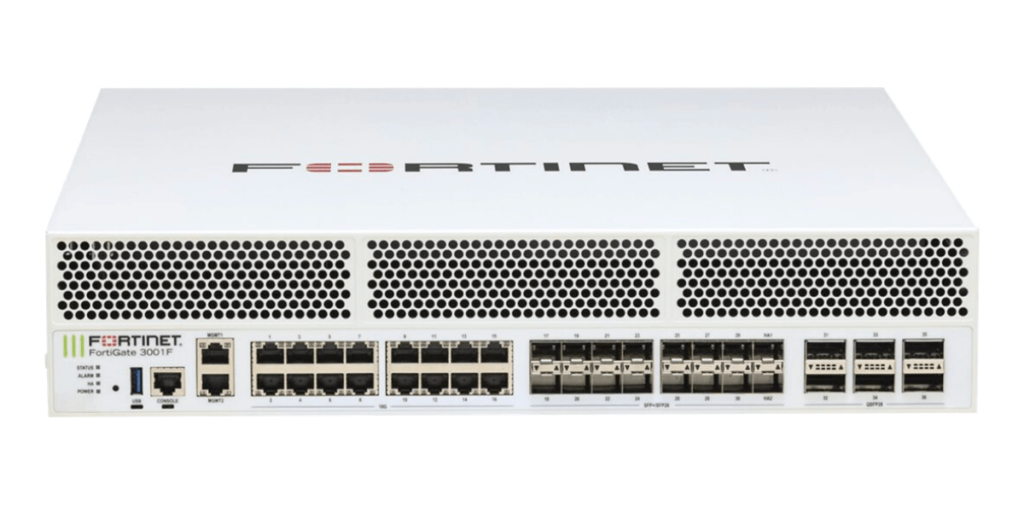
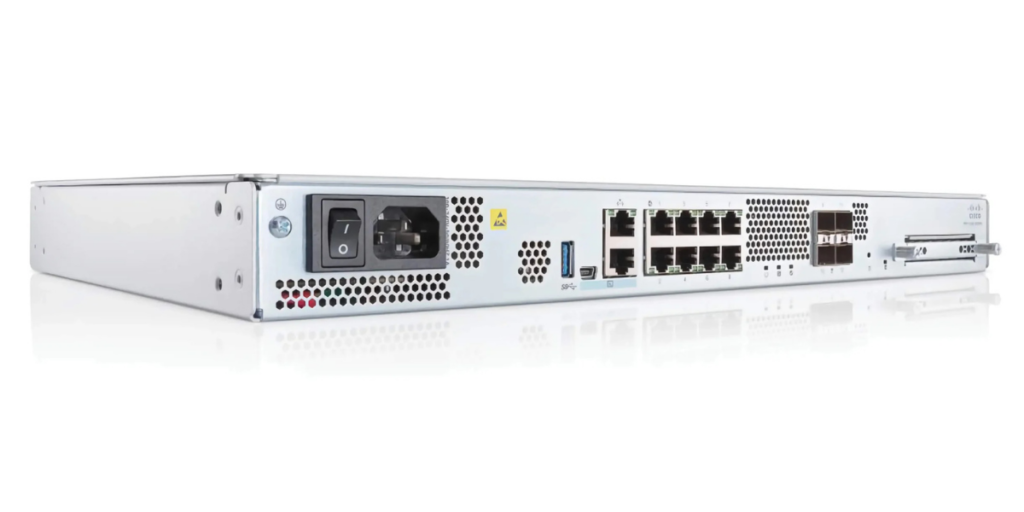
Best for: Enterprise security, secure connectivity and Cisco-centric environments requiring integrated protection across users, applications and infrastructure.
Best for: Organisations combining networking, security and Secure SD-WAN across branches, campuses, enterprise networks and data centres.

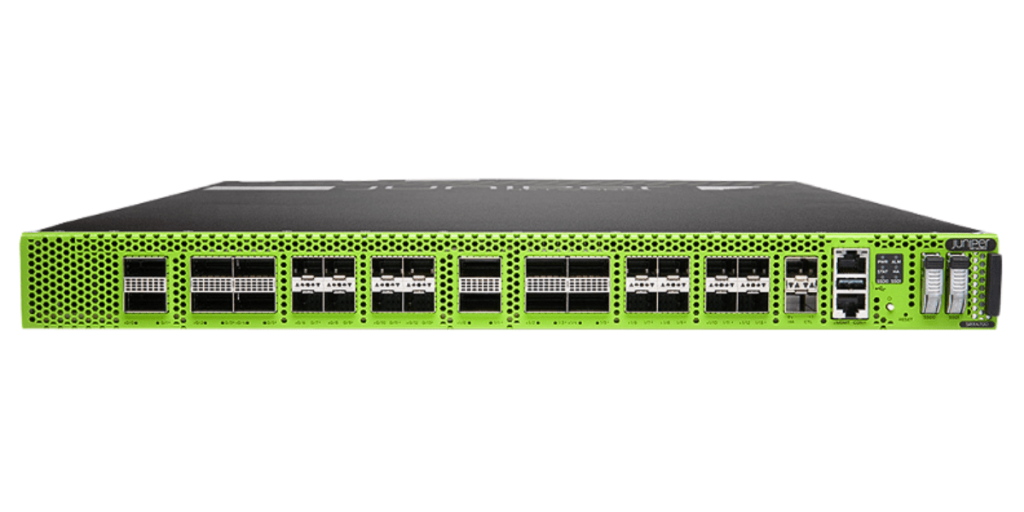
Best for: Enterprise, service provider and high-performance environments requiring advanced routing, segmentation and scalable network security.
Explore Firewall Solutions​

Compare branch, enterprise and data centre firewalls from Cisco, Fortinet and Juniper.
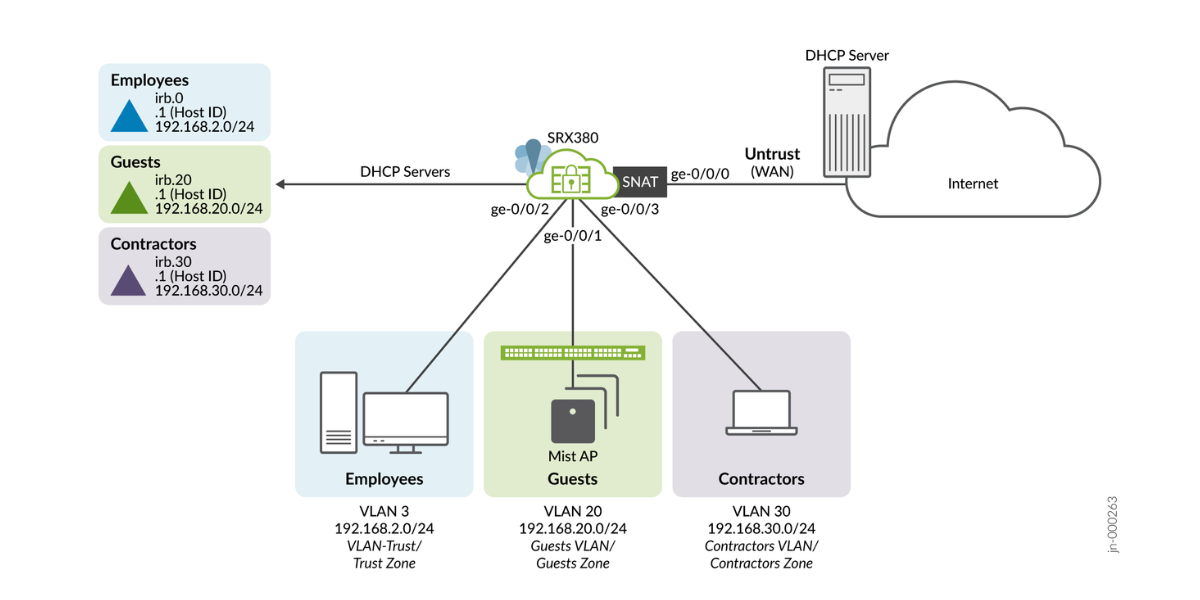
A Juniper SRX4700 model designed for enterprises and data centres.
02

Network Segmentation

Modern cyber threats increasingly target internal networks once perimeter defences have been bypassed. Network segmentation helps organisations isolate users, devices and applications, reducing lateral movement and improving security, resilience and compliance.

Technologies:
Internal Segmentation Firewalls Security Zones East-West Traffic Protection Microsegmentation
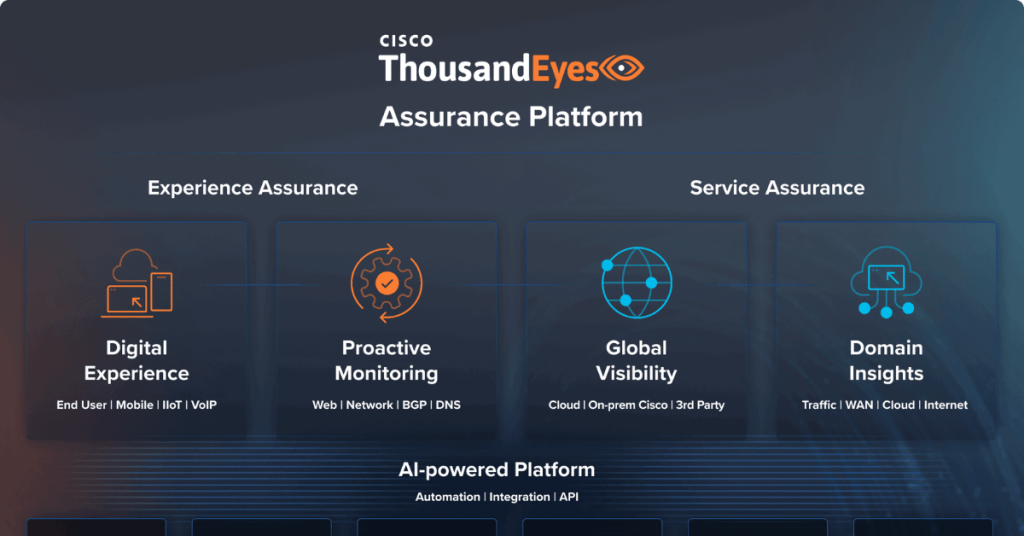
Cisco's ThousandEyes dashboard.

Traditional Networks vs Segmented Networks

Traditional Networks Segmented Networks
Architecture: Uses a largely flat network with limited separation between users, devices and systems Architecture: Separates users, workloads and critical systems into defined security zones
Access: Allows broad network access once a user or device is connected Access: Applies policy-based access according to identity, device, role and risk
Threat movement: Makes it easier for attackers to move laterally after an initial compromise Threat movement: Contains incidents by restricting communication between zones and critical resources
Risk exposure: Creates a larger attack surface and increases the potential impact of a breach Risk exposure: Reduces cyber risk by limiting access paths and isolating sensitive systems

Common Network Segmentation Approaches

Approach Best For
Department & User Segmentation Corporate offices and campus environments separating teams, user groups and access privileges
Application Segmentation Business-critical applications and workloads requiring controlled access and isolation from wider network traffic
Data Centre Segmentation Protecting east-west traffic between servers, workloads, virtual environments and sensitive data
OT & Industrial Segmentation Critical infrastructure and operational technology requiring separation from enterprise IT and external access
Guest & IoT Segmentation BYOD, Internet of Things and unmanaged devices that require restricted access to trusted systems

Why Network Segmentation Matters

Reduce lateral movement during cyber attacks
Protect critical applications and sensitive data
Support compliance and stronger security controls
Separate IT, OT and IoT environments
Simplify security policy enforcement
03

Zero Trust & Secure Access

Modern security strategies verify every user, device and application before granting access to network resources. Zero Trust and secure access technologies help organisations strengthen identity-based security while supporting hybrid work, cloud adoption and distributed environments.

Technologies:
Multi-Factor Authentication (MFA) Network Access Control (NAC) Zero Trust Network Access (ZTNA) Secure Endpoint Connectivity Secure Web & Cloud Access

Traditional Security vs Zero Trust

Traditional Security Zero Trust
Trust model: Relies on implicit trust once users or devices are inside the network Trust model: Continuously verifies users, devices and access requests
Access control: Grants access primarily based on network location Access control: Grants access based on verified identity, context and policy
Permissions: Often provides broad access once a user is authenticated Permissions: Applies least-privilege access to limit users to required resources
Security model: Focuses primarily on protecting the network perimeter Security model: Centres security around users, devices, applications and individual resources

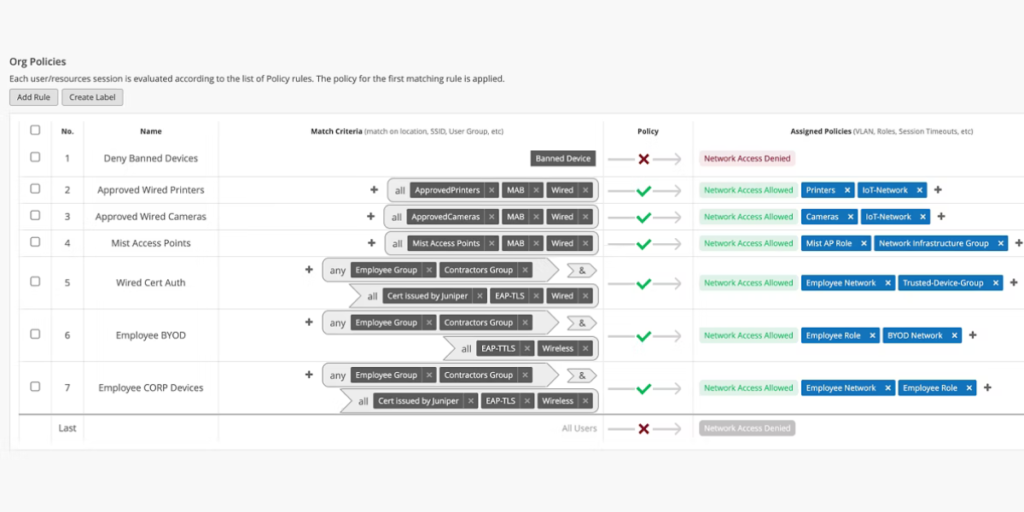
Network Access Control

Supports:
Corporate networks Guest access BYOD Device visibility Policy enforcement
Network Access Control Platforms
Select the platform suited to your access policies, network environment and identity requirements.

Best for: Enterprise policy enforcement and device visibility across complex wired, wireless and remote access environments.

Best for: Multi-vendor network access control and secure onboarding across enterprise wired, wireless and device environments.

Best for: Integrated network access control within Fortinet environments requiring device visibility, access enforcement and automated response.

Identity & Zero Trust Platforms

Supports:
Identity verification Multi-Factor Authentication (MFA) Zero Trust Network Access (ZTNA) Secure application access Hybrid workforce security
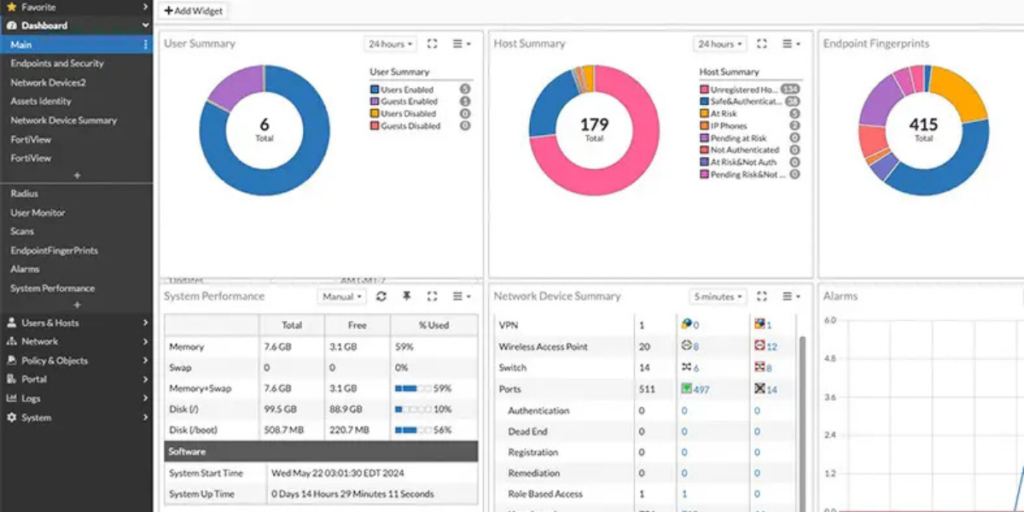
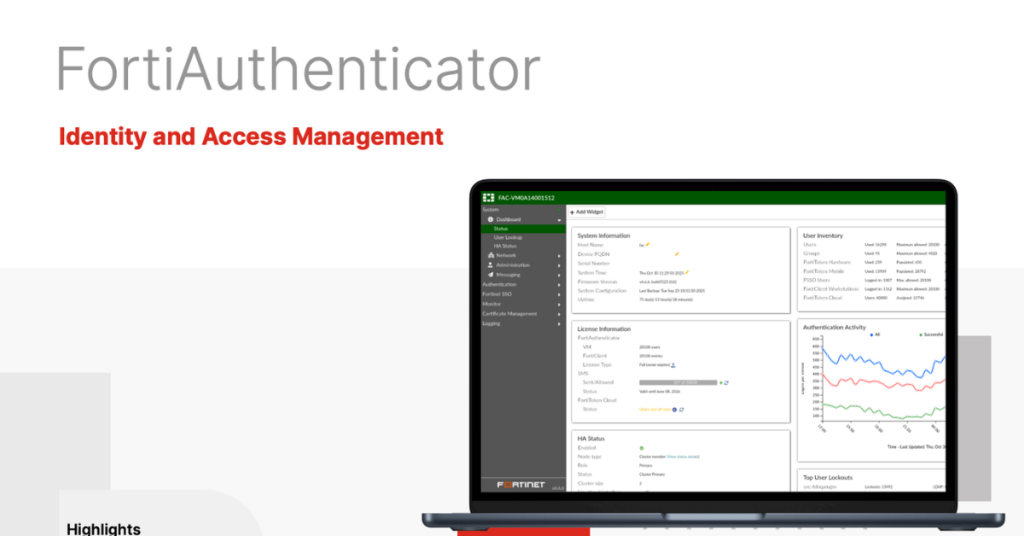
A laptop showing Fortinet's FortiAuthenticator dashboard.
Identity & Zero Trust Platforms
Select your vendor platform for identity protection, authentication and Zero Trust access.

Best for: Cloud-managed enterprise networks requiring identity-based access policies and consistent control across wired and wireless users.
Explore Security & Secure Access Solutions

Learn more about identity protection, Zero Trust, network access control and secure connectivity technologies.

04

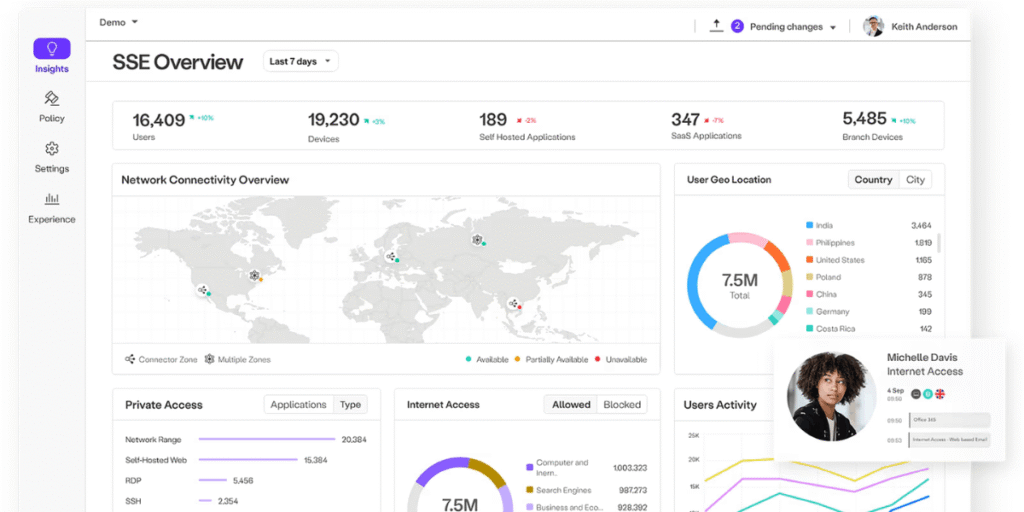
Remote Connectivity & SASE

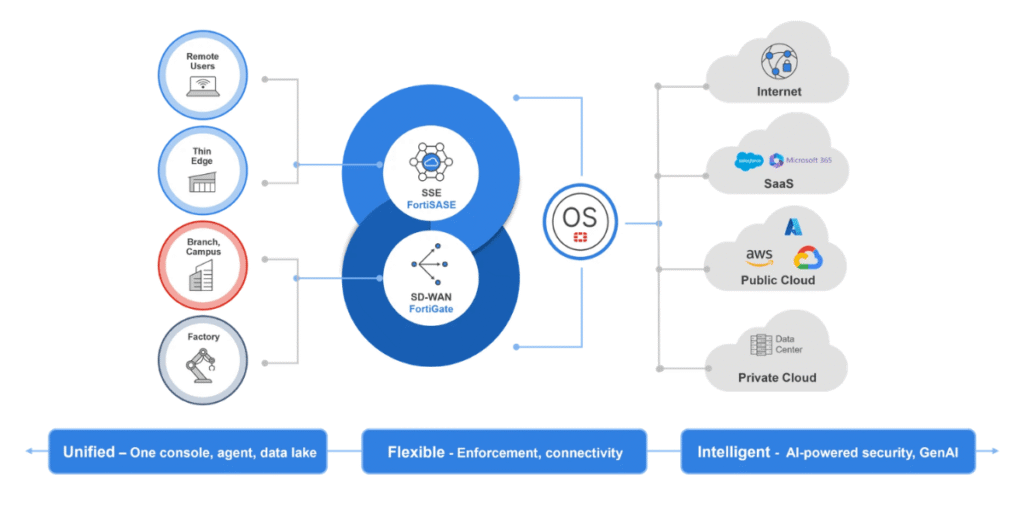
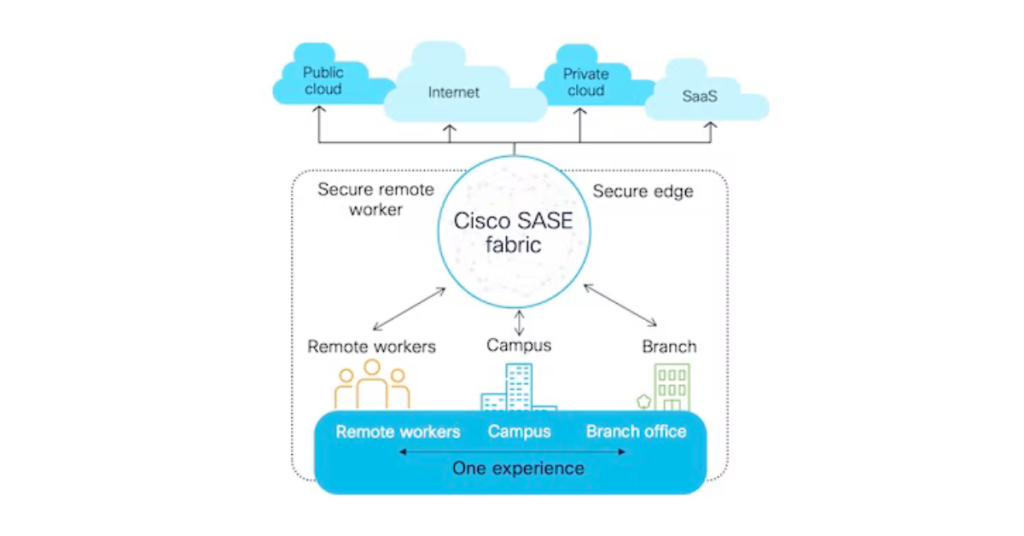
As organisations embrace hybrid working, cloud applications and distributed workforces, secure remote connectivity has become a critical component of modern cybersecurity. Secure Access Service Edge (SASE) combines networking and cloud-delivered security to provide secure access to applications, users and data regardless of location.

Technologies:
Secure Remote Access Secure Access Service Edge (SASE) Secure Service Edge (SSE) Zero Trust Network Access (ZTNA) Cloud-Delivered Security

Traditional VPN vs SASE

Traditional VPN SASE
Security delivery: Relies on appliance-based security deployed at fixed network locations Security delivery: Delivers networking and security services from the cloud
Access model: Provides access primarily at the network level Access model: Applies identity and application-based access policies
Traffic routing: Often backhauls remote user traffic through the data centre Traffic routing: Supports direct-to-cloud connectivity with security applied closer to users
Architecture: Typically relies on multiple separate networking and security platforms Architecture: Unifies networking and security capabilities within a cloud-delivered platform

SASE Platforms

Designed to combine networking and security services into a unified cloud-delivered platform, simplifying secure access for users, applications and distributed environments.

Supports:
Hybrid workforces Cloud-first organisations Distributed users Secure internet access Zero Trust adoption
SASE Platforms
Select the SASE platform suited to your secure access, cloud connectivity and network security requirements.

Best for: Enterprise secure access and cloud-delivered security across users, applications and distributed environments.

Best for: AI-driven secure access and cloud-native security across distributed enterprise networks and users.

Best for: Integrated networking and security architectures across branches, remote users, cloud applications and enterprises.

Best for: Cloud-native SASE for global organisations requiring networking and security delivered through a unified platform.
Secure Remote Connectivity Platforms

Modern organisations require secure access to applications and services for employees, contractors and third-party users without exposing internal networks.

Supports:
Remote workforce connectivity Third-party access Secure application access Business continuity Endpoint connectivity
Secure Remote Connectivity
Select the platform suited to remote access, endpoint connectivity and cloud-delivered security requirements.

Explore SASE Solutions

Compare cloud-delivered networking and security platforms designed to protect users, applications and distributed environments.

Cisco's SASE diagram showing cloud protection between network endpoints.
05

Security Analytics & SIEM

As cyber threats become more sophisticated, organisations require continuous visibility across their networks, users and endpoints. Security analytics and Security Information & Event Management (SIEM) platforms help security teams detect threats earlier, investigate incidents faster and automate security operations.

Technologies:
Security Information & Event Management (SIEM) Extended Detection & Response (XDR) Security Orchestration, Automation & Response (SOAR) Threat Intelligence
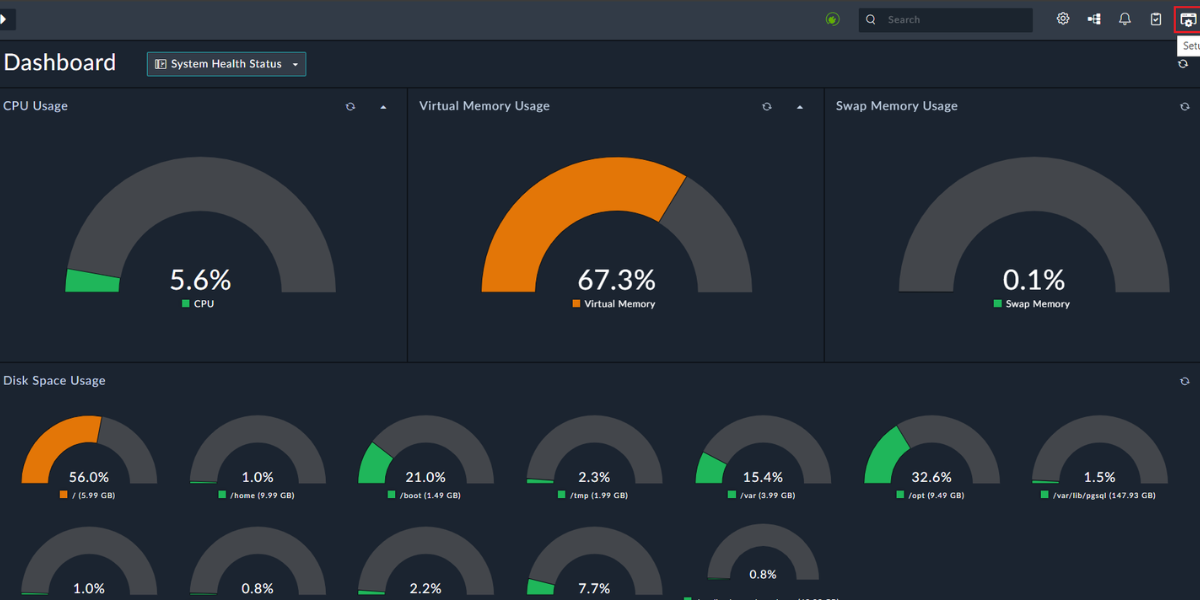
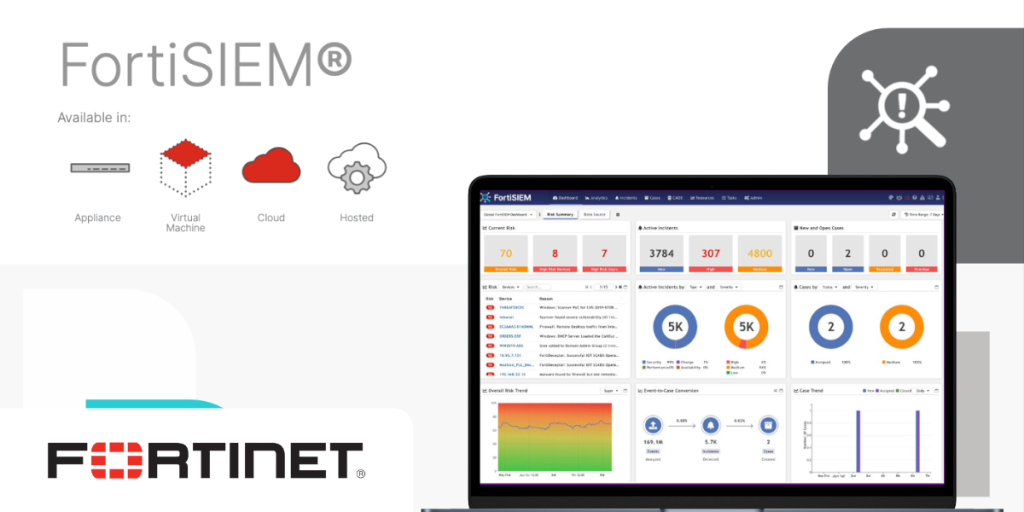
A Fortinet FortiSIEM dashboard.

Traditional Security Monitoring vs Modern Security Operations

Traditional Monitoring Modern Security Operations
Event analysis: Relies heavily on manual log review and investigation Event analysis: Uses automated event correlation to identify related security activity
Visibility: Security data is often spread across isolated tools and consoles Visibility: Brings security data together for more unified monitoring and investigation
Threat detection: Investigations typically begin after suspicious activity or incidents are identified Threat detection: Uses continuous monitoring and analytics to identify threats earlier
Incident response: Depends on manual investigation, escalation and remediation processes Incident response: Uses automated workflows to accelerate containment, investigation and response

Threat Detection & Security Analytics

Designed to provide visibility into network activity, identify suspicious behaviour and support threat detection across enterprise environments.

Supports:
Network visibility Threat detection Security analytics Behavioural analysis Operational insight
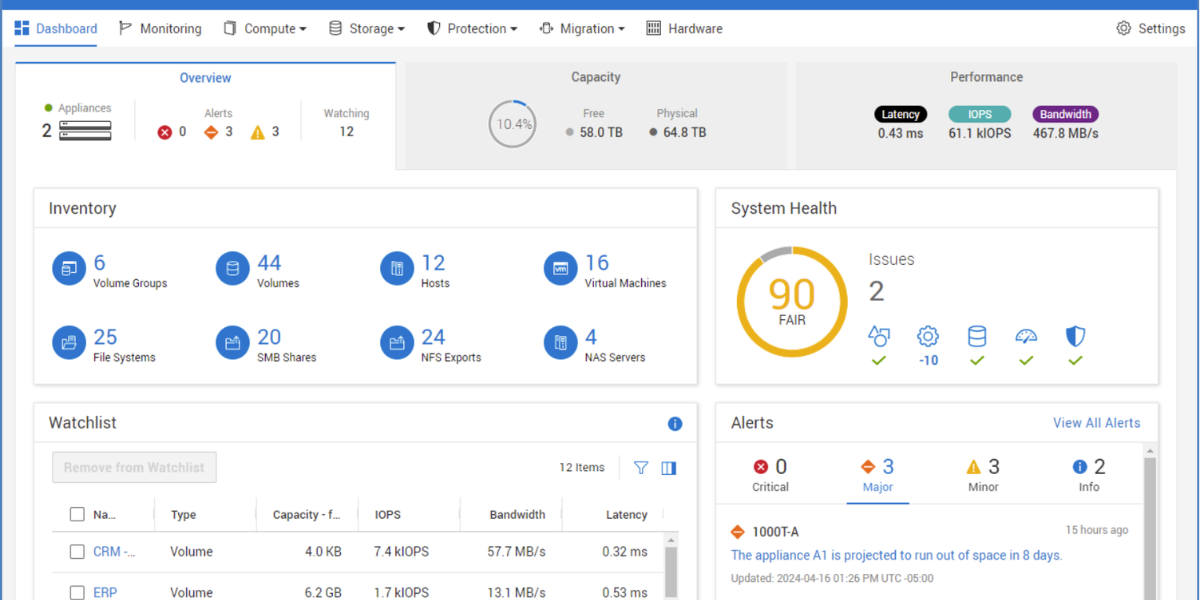
The FortiAnalyzer dashboard
Threat Detection & Security Analytics
Select the platform suited to network threat detection, security analytics and operational visibility requirements.

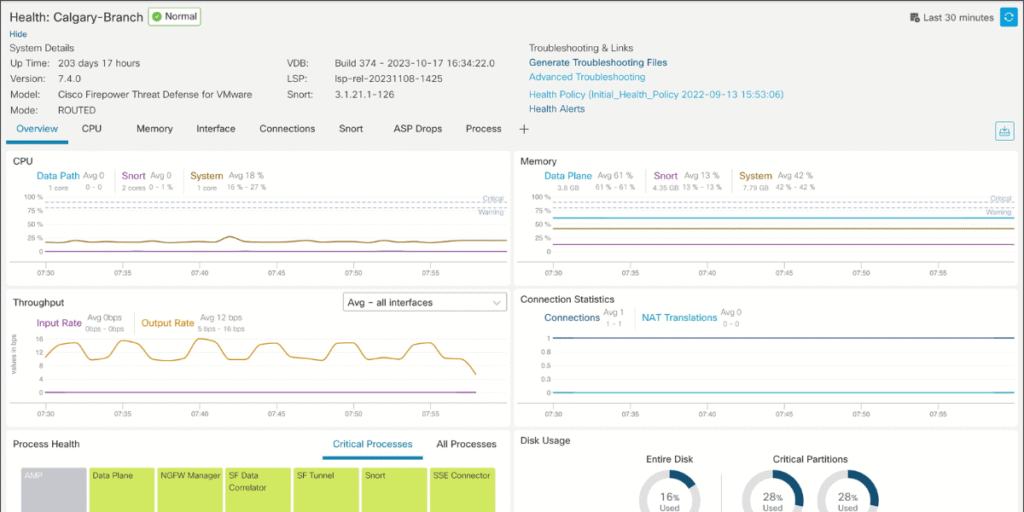
Best for: Network detection, behavioural analytics and threat visibility across enterprise and hybrid network environments.

Best for: Security analytics, reporting and operational visibility across Fortinet Security Fabric environments.

SIEM & Security Operations Platforms

Designed to centralise security events, correlate alerts across multiple technologies and support faster investigation and response.

Supports:
Security event management Threat investigation Compliance reporting Incident response Security operations
SIEM & Security Operations Platforms
Select the platform suited to security monitoring, event correlation, investigation and enterprise security operations.

Best for: Enterprise security monitoring and event correlation across hybrid IT and security environments.

Best for: Large-scale SIEM and security operations requiring centralised analytics, investigation and threat visibility.

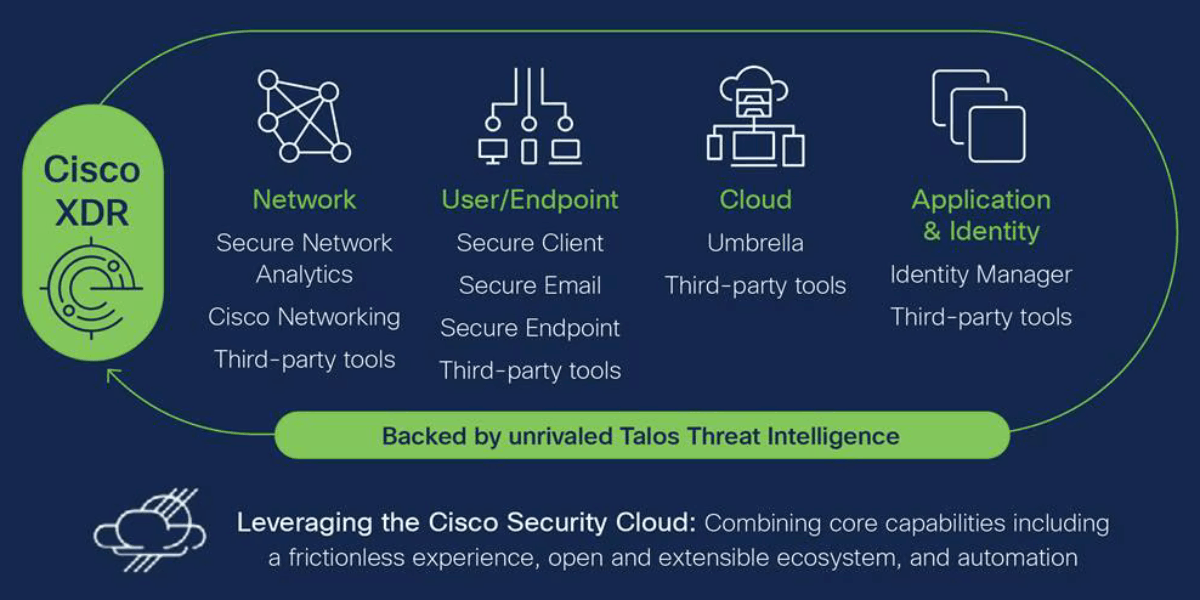
Best for: Cross-platform threat detection and investigation across integrated Cisco and third-party security technologies.

Security Automation & Response

Designed to automate repetitive security tasks, orchestrate incident response and reduce the time required to contain cyber threats.

Supports:
Automated incident response Security orchestration Threat containment SOC efficiency Workflow automation
Security Automation & Response
Select the platform suited to security orchestration, automated response and SOC workflow management.

Best for: Security orchestration and automated response across Fortinet and integrated third-party security environments.

Best for: Enterprise security automation and workflow management across complex SOC and multi-vendor security environments.

Explore Security Analytics & SIEM Solutions

Compare security analytics, SIEM, XDR and SOAR platforms designed to improve visibility, strengthen threat detection and streamline security operations.

06

Security Management & Administration

As security environments grow in scale and complexity, organisations require centralised management, operational visibility and consistent policy enforcement. Security management platforms simplify administration, improve operational efficiency and provide greater control across distributed security environments.

Technologies:
Centralised Security Management Security Policy Management Configuration Management Security Reporting Security Automation

Individual Device Management vs Centralised Security Management

Individual Device Management Centralised Security Management
Administration: Requires device-by-device configuration and management Administration: Brings security management into a central platform
Policy updates: Policies must often be updated manually across individual devices Policy updates: Enables consistent policy deployment across the security estate
Visibility: Provides limited visibility across the wider security environment Visibility: Provides estate-wide visibility across devices, policies and security activity
Operations: Tends to rely on reactive administration and manual intervention Operations: Supports more proactive monitoring, management and policy control

Security Management Platforms

Designed to simplify the administration of enterprise security environments through centralised configuration, policy management and operational control.

Supports:
Centralised policy management Multi-site security administration Configuration management Change management Security lifecycle management
Centralised Security Management Platforms
Select the platform suited to centralised policy, device and security management across your network environment.

Best for: Centralised management of Fortinet Security Fabric environments, policies, configurations and device operations.

Best for: Centralised firewall policy, threat visibility and security management across Cisco Secure Firewall environments.

Best for: Centralised policy and security management across Juniper firewall environments spanning data centre, branch and cloud.

Why Centralised Security Management Matters

Simplify security administration across multiple sites
Apply security policies consistently across the estate
Accelerate configuration changes and deployments
Improve visibility across security infrastructure
Strengthen governance and operational control

Explore Security Management Solutions

Learn more about centralised security management, policy administration and operational visibility across enterprise security environments.

Enterprise Security Ecosystems

Enterprise security is most effective when networking, identity, policy enforcement and threat detection operate as an integrated ecosystem. We work with leading security vendors to help organisations build secure, scalable and centrally managed environments aligned to their existing infrastructure and operational requirements.

Cisco Secure Firewall

Cisco Security

Best for: Enterprises combining network security, identity, secure access and threat detection within a coordinated Cisco security architecture.

Explore
  • Cisco Secure Firewall
  • Cisco Duo
  • Cisco Secure Access
  • Cisco Umbrella
  • Cisco XDR
  • Cisco Secure Network Analytics
Fortinet Security Fabric

Fortinet Security

Best for: Organisations standardising networking and security around an integrated Security Fabric with common policy, visibility and management.

Explore
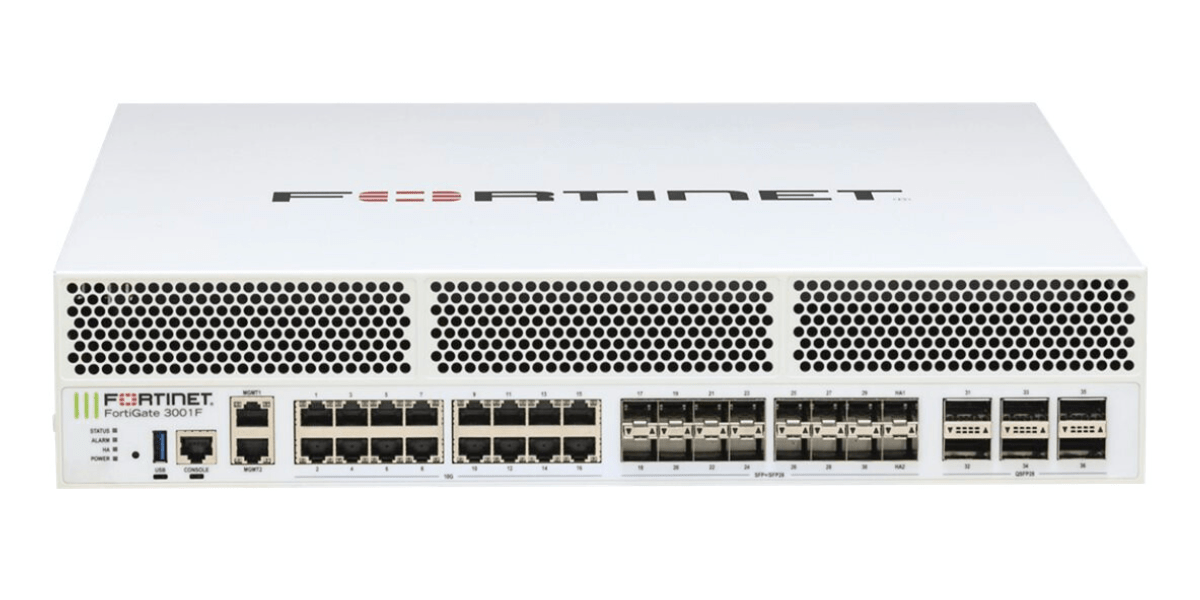
  • FortiGate
  • FortiNAC
  • Fortinet Unified SASE
  • FortiSIEM
  • FortiSOAR
Juniper Secure Edge

Juniper Connected Security

Best for: Juniper environments combining networking, AI-driven operations and consistent security policy across campus, branch and cloud.

Explore
  • Juniper SRX
  • Juniper Secure Edge
  • Juniper Security Director
  • Juniper Mist Access Assurance
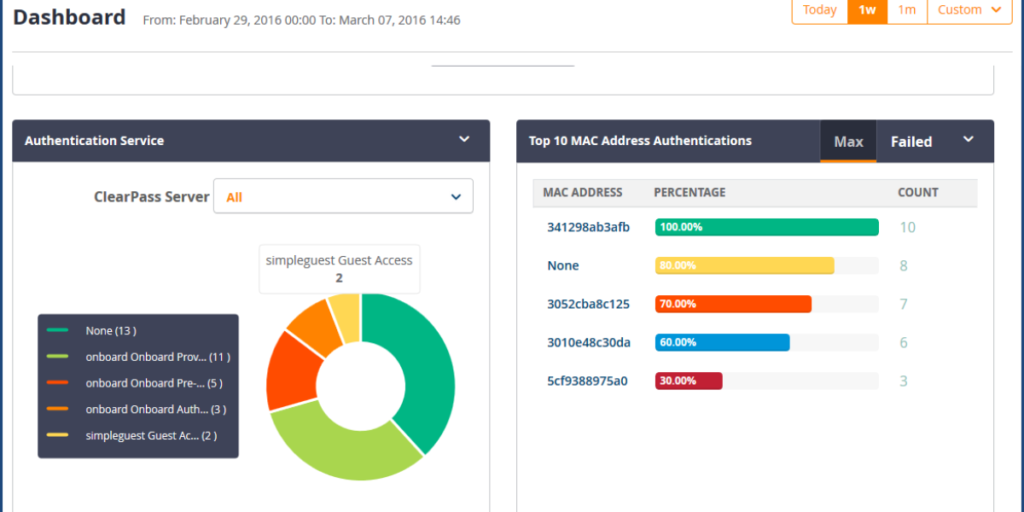
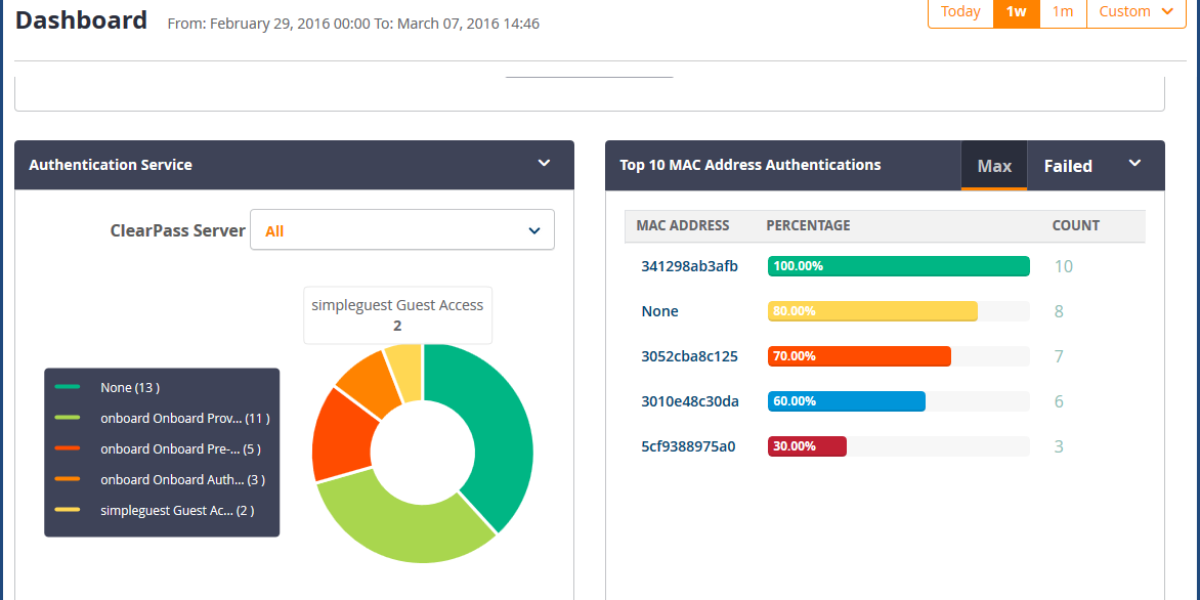
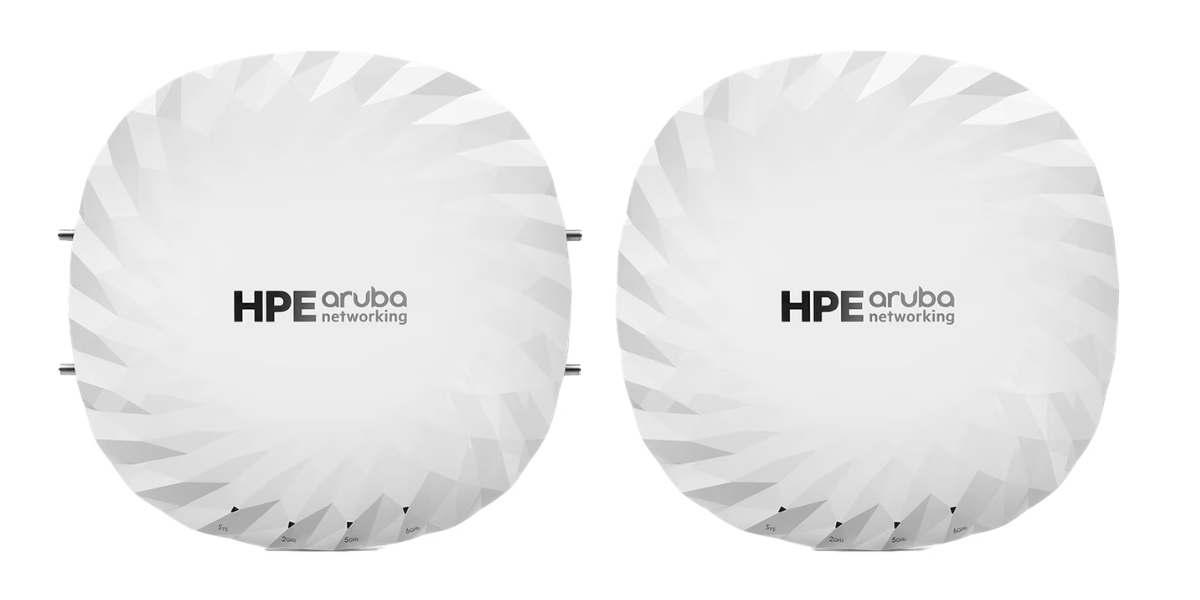
HPE Aruba ClearPass

HPE Aruba Security

Best for: Enterprise wired and wireless environments requiring identity-first network access control and consistent policy enforcement.

Explore
  • Aruba ClearPass
  • Identity-based network access
  • Device profiling and policy enforcement
  • Guest, contractor and BYOD access

Supporting You at Every Stage

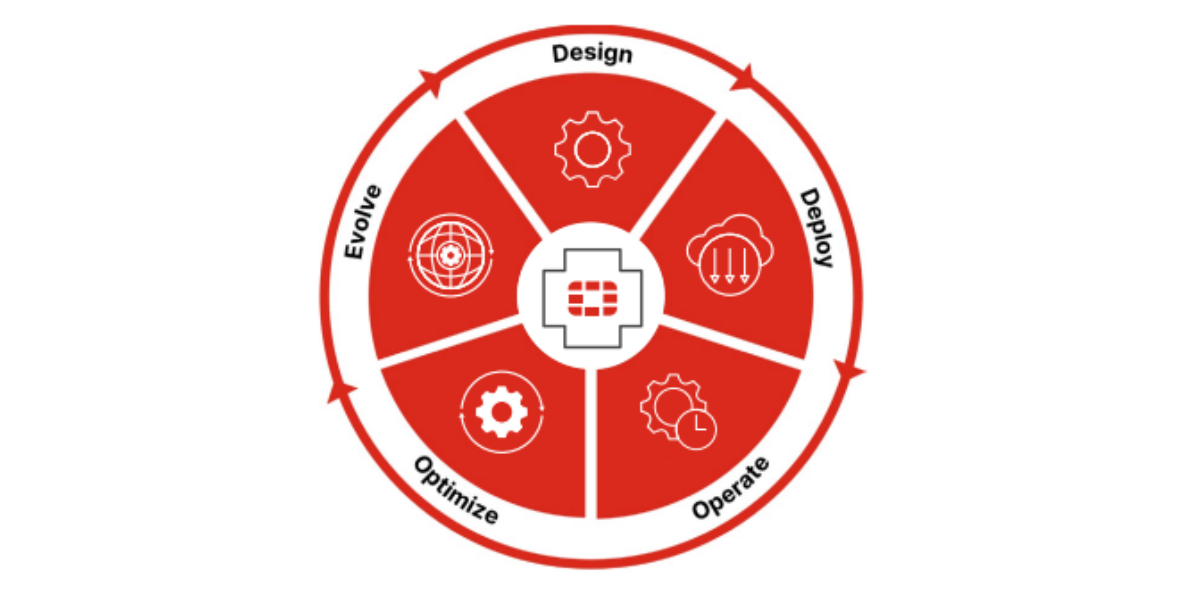
From security assessments through to deployment and lifecycle management, we help organisations design, implement and optimise secure networking environments aligned to their operational and compliance requirements.
  • Security Architecture & Design We design security architectures around your users, applications, sites and existing infrastructure, helping you choose the right approach before deployment begins.
  • Firewall & Network Security Assessments We assess your existing security estate, configurations and controls to identify weaknesses, unnecessary complexity and practical opportunities to strengthen protection.
  • Zero Trust & Network Segmentation Planning We help define how users, devices and applications should access the network, designing segmentation and Zero Trust policies around real operational requirements.
  • Secure Access & SASE Deployment We design and deploy secure access and SASE solutions for distributed users, branches and cloud environments, integrating them with your wider network and security estate.
  • Security Platform Integration We bring together firewalls, identity, access control, monitoring and security platforms so policies, visibility and operations work more effectively across the environment.
  • Infrastructure Lifecycle & Technology Refresh Services We plan and deliver security infrastructure upgrades, migrations and refresh projects, helping you replace ageing platforms without unnecessary disruption.

Book a Free 30-Minute Consultation Call

Get expert advice, no commitment needed. Your consultation link will be sent via email.

Network Security Solutions — FAQ

What is network security?

Network security protects users, devices, applications and data by controlling access, inspecting traffic and detecting malicious activity across the network.

In more detail, it combines technologies such as firewalls, segmentation, Zero Trust access, network access control, SASE and security analytics to protect campus, branch, data centre, remote and cloud-connected environments.

We can assess your existing security environment and help design the right combination of controls and platforms for your infrastructure. Book a consultation with our network security specialists.

What is the difference between a traditional firewall and a next-generation firewall?

Traditional firewalls primarily control traffic by IP address, port and connection state, while next-generation firewalls add application awareness, threat prevention and deeper traffic inspection.

In more detail, platforms such as Cisco Secure Firewall, FortiGate and Juniper SRX can combine firewall policy with intrusion prevention, application control, identity integration and advanced threat protection.

If you are replacing legacy firewalls or reviewing an existing estate, we can assess your requirements, compare suitable platforms and plan the migration. Speak to our security team about your firewall project.

What is network segmentation and why is it important?

Network segmentation separates users, devices and systems into controlled network zones so they can only communicate where access is required.

In more detail, segmentation reduces unnecessary access, limits lateral movement after a compromise and allows stronger controls around critical applications, servers, operational systems and sensitive data.

We help organisations assess existing network boundaries and design practical segmentation policies around real users, workloads and infrastructure. Book a consultation to discuss your segmentation requirements.

What is Zero Trust and how does it improve security?

Zero Trust removes implicit trust based on network location and verifies users, devices and access requests before allowing them to reach applications or resources.

In more detail, identity, device posture and least-privilege policies can replace broad network access with more precise controls. Technologies such as Cisco Duo, Cisco Secure Access, Fortinet ZTNA and Juniper access assurance can form part of this approach.

We can help map Zero Trust principles to your existing network, identity and security platforms rather than treating it as a standalone product purchase. Speak to us about planning a Zero Trust architecture.

What is SASE and how does it differ from SD-WAN?

SD-WAN focuses on how sites and applications connect across the WAN, while SASE combines networking with cloud-delivered security and secure user access.

In more detail, SD-WAN provides application-aware routing, resilience and centralised WAN control. SASE extends the architecture with capabilities such as Zero Trust access, secure web gateways, cloud security and firewall services.

Choosing between SD-WAN, SASE or a combined architecture depends on your sites, users, applications and existing security estate. Book a consultation and we can help define the right approach.

What is the difference between SIEM, XDR and SOAR?

SIEM centralises and correlates security events, XDR connects threat detection and investigation across security technologies, and SOAR automates investigation and response workflows.

In more detail, platforms such as FortiSIEM and Splunk Enterprise Security provide SIEM capabilities, Cisco XDR supports integrated detection and investigation, while FortiSOAR and Splunk SOAR automate repeatable security operations.

We can help assess where these technologies fit within your existing monitoring and security operations rather than adding another disconnected platform. Speak to our team about improving your security operations.

How can I improve visibility across my security environment?

Improve security visibility by bringing network, firewall, identity, endpoint and cloud telemetry into integrated monitoring and analytics platforms.

In more detail, centralised logging, network analytics, SIEM and XDR can reduce gaps between individual security tools and make suspicious activity easier to detect, investigate and respond to.

We can review your existing monitoring stack, identify visibility gaps and help integrate the platforms needed for clearer operational insight. Book a security assessment with our team.

Which network security platform is right for my organisation?

The right network security platform depends on your infrastructure, existing vendors, users, applications, security priorities and how your team wants to manage the environment.

In more detail, Cisco, Fortinet, Juniper and HPE Aruba each provide different strengths across firewalls, secure access, Zero Trust, network access control, SASE, management and security analytics. The best choice is usually the platform that fits the wider architecture rather than the longest feature list.

We work across these vendors and can assess your existing estate, compare suitable options and design the deployment around your operational requirements. Book a consultation with a network security specialist.

Review your network security strategy

Tell us about your current environment, security priorities and planned changes, and we’ll help identify the right architecture, platforms and next steps for your organisation.

A group discussing IT solutions