








Enterprise Compute Solutions for High-Performance Workloads
The Problem with Traditional Compute Infrastructure
Growing workloads and increasing data demands are placing greater pressure on compute infrastructure across modern business environments. However, many existing compute environments were never designed to handle today’s levels of scalability, workload diversity, infrastructure demand, or increasing pressure for operational flexibility and long-term performance reliability.
As a result, organisations face a consistent set of challenges:
- Performance demands placing pressure on compute infrastructure as applications, virtualisation platforms, analytics, and AI workloads require greater processing capability.
- Scaling complexity increasing operational overhead as organisations expand compute resources across hybrid, distributed, and high-density environments.
- Cost pressures making it difficult to balance infrastructure investment, operational efficiency, and long-term resource planning.
- Difficulty maintaining consistent workload performance across virtualised, cloud-connected, and business-critical environments.
- Increasing operational complexity as organisations manage mixed compute architectures, evolving application requirements, and growing infrastructure estates.
- Uncertainty around future-proofing compute strategies as workload demands, technology standards, and business expectations continue to evolve.
These challenges directly impact operational efficiency, application performance, and long-term scalability.
Modern enterprise compute solutions address this through scalable platforms, intelligent resource management, and high performance infrastructure, supporting efficient and resilient compute environments.
Common Compute Challenges — And How We Solve Them
Here are some of the most common compute infrastructure challenges we help organisations overcome:
Performance Demands Straining Critical Workloads
Challenge
Applications that once performed well can slow down as users, data volumes, reporting, and business-critical workloads increase.
Solution
- We assess workload requirements, identify compute constraints, and design right-sized server infrastructure that restores speed, capacity, and responsiveness.
Scaling Infrastructure Without Costly Rework
Challenge
Infrastructure that works today can become difficult to expand without redesign, downtime, or unnecessary capital spend.
Solution
- We design scalable server and virtualisation architectures that allow capacity to grow in a controlled way, without constant rework or disruption.
Compute Estates Becoming Hard to Manage
Challenge
Server sprawl, ageing hardware, growing VM estates, and inconsistent configurations make compute environments harder to manage, monitor, and maintain.
Solution
- We simplify compute estates through server consolidation, virtualisation planning, lifecycle alignment, and centralised management — improving control, uptime, and operational efficiency.
Cost Pressures Limiting Infrastructure Progress
Challenge
Hardware, support, power, licensing, and maintenance costs can rise while infrastructure still struggles to meet performance demands.
Solution
- We identify where to modernise, consolidate, extend, or replace compute infrastructure — helping reduce waste, improve utilisation, and control long-term cost.
We deliver enterprise-grade compute solutions that improve performance, simplify operations, and scale capacity whilst avoiding unnecessary costs.
A Structured Approach to Modern Compute Demands
Modern compute environments need to support more than raw processing power. They must run critical applications, host virtual machines, support data growth, simplify management, and provide a stable foundation for future services.
We help organisations choose, configure, and deploy server platforms that match their workloads, sites, management model, and long-term infrastructure plans.
Enterprise Server Infrastructure
The physical server layer that supports your applications, users, data, and day-to-day business operations.
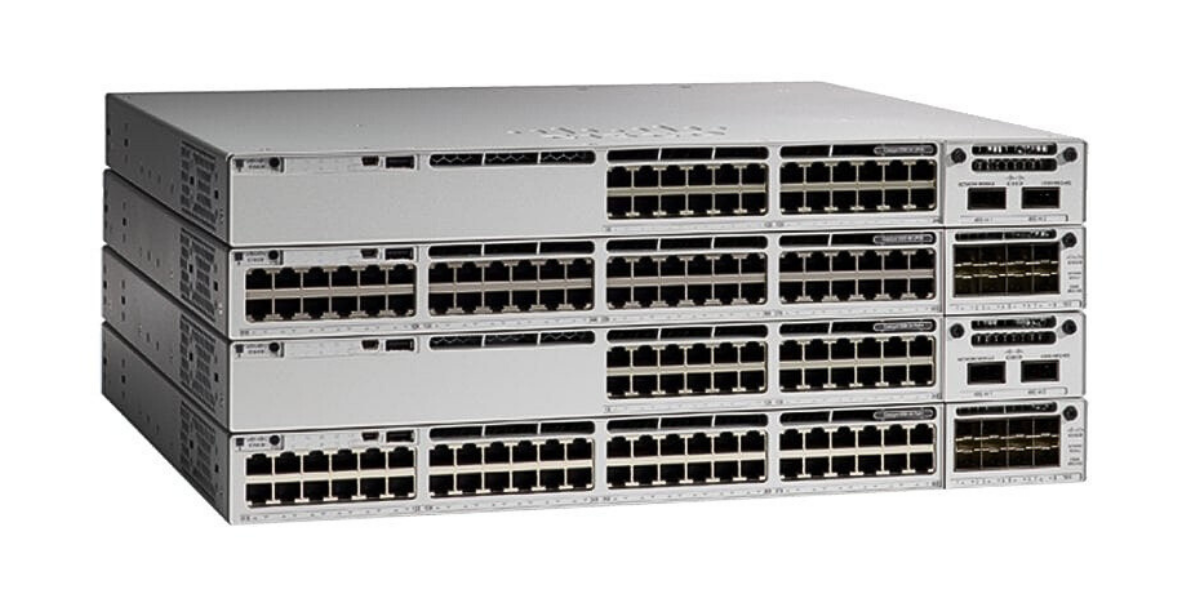
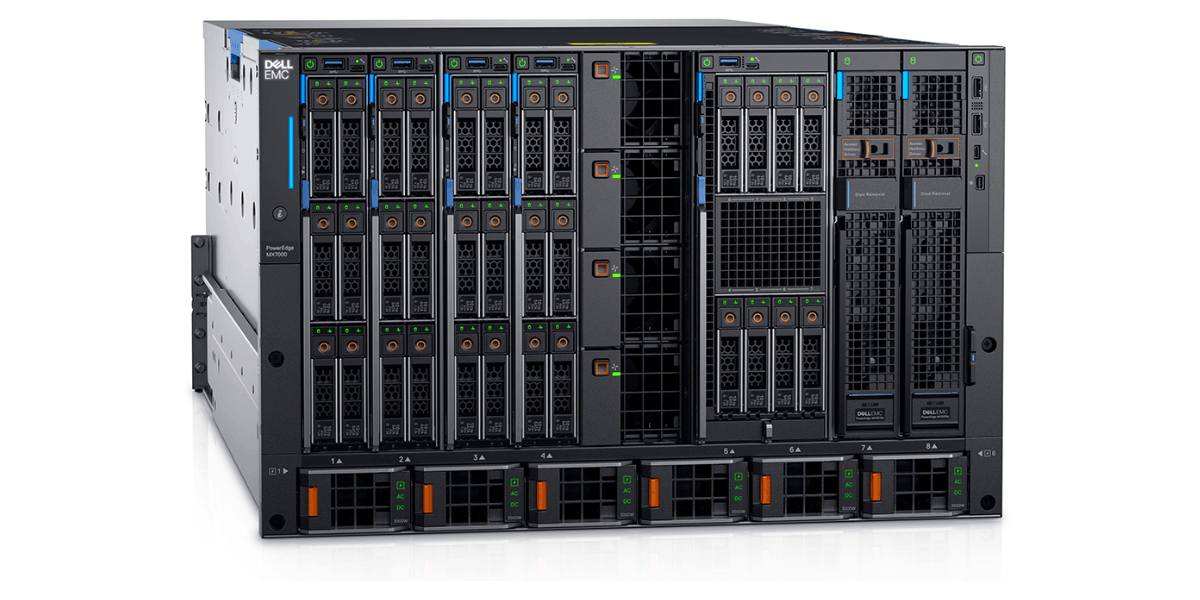
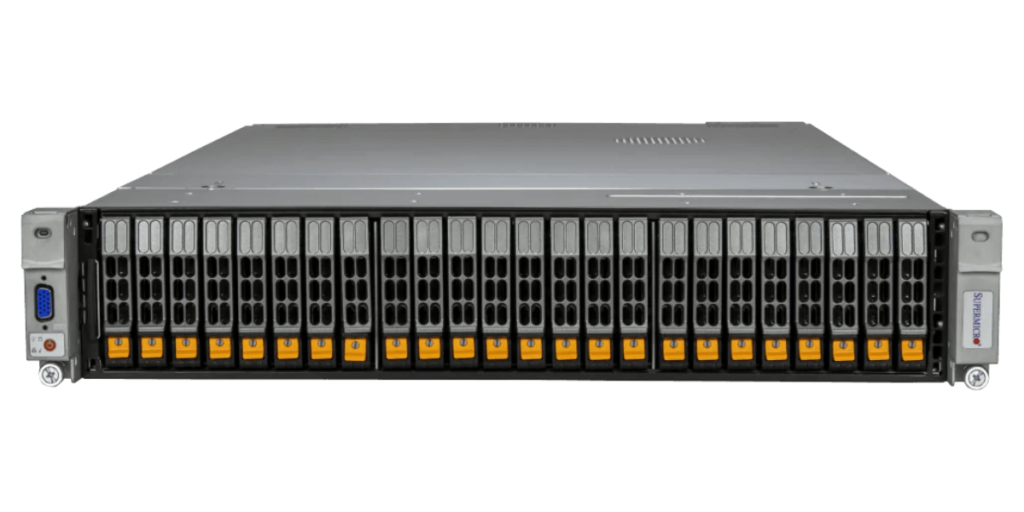
We work with HPE ProLiant, Dell PowerEdge, Cisco UCS, and Supermicro platforms to deliver rack, tower, blade, and high-density compute built around performance, scalability, management, and operational resilience.
Designed for: IT teams that want dependable everyday servers for general purpose workloads, distributed business services, core databases, backup jobs, and mixed office or data centre environments.
Servers
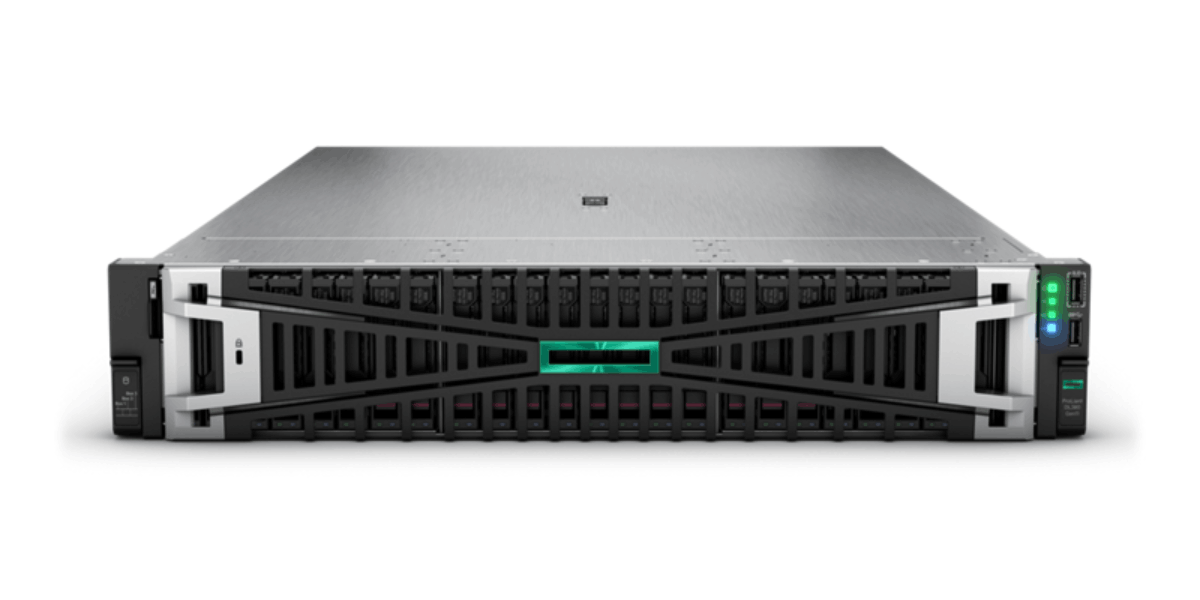
- HPE ProLiant Rack Servers Rack-mounted servers for virtual machines, core business applications, storage-connected workloads, and standardised data centre deployments. View products ›
- HPE ProLiant Tower Servers Office-friendly servers for smaller teams, branch sites, local file storage, line-of-business systems, and sites without a dedicated server rack. View products ›
Designed for: IT teams that need familiar server management and highly scalable virtualisation hosts to power enterprise applications, resource-heavy databases, and general compute consolidation across growing estates.
Servers
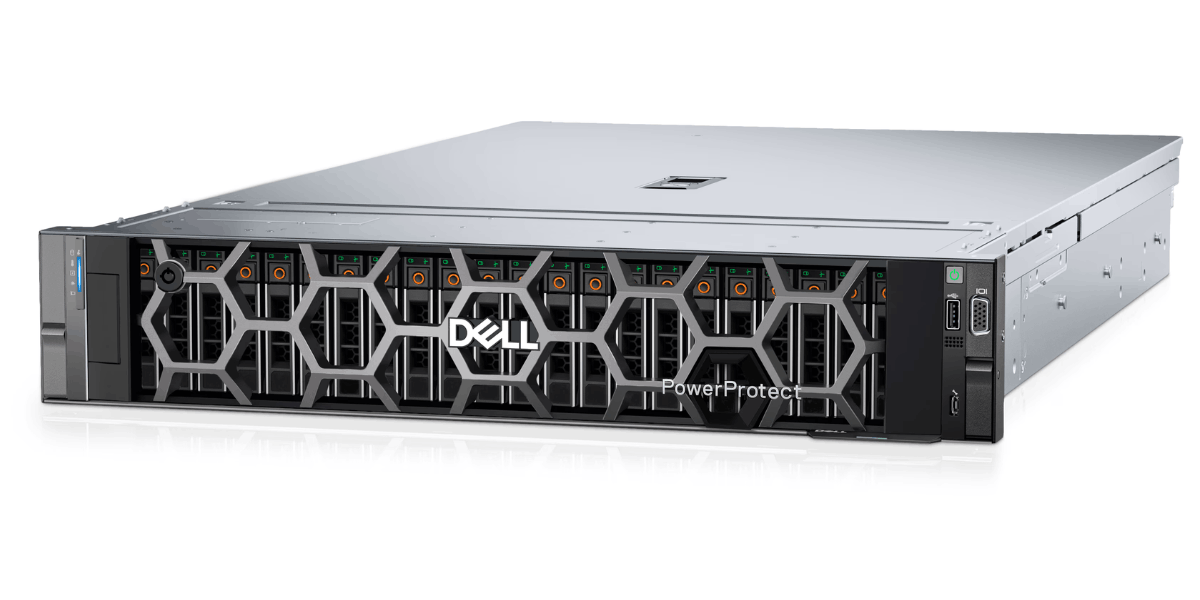
- Dell PowerEdge Rack Servers Rack servers for virtualisation, databases, application hosting, backup infrastructure, and larger estates that need consistent server management. View products ›
- Dell PowerEdge Tower Servers Standalone servers for offices, remote sites, small business workloads, local storage, and teams that need server capability without rack infrastructure. View products ›
Designed for: Infrastructure teams that want policy-driven private cloud foundations, stateless compute pools, and tightly integrated networking to run large-scale virtualised environments seamlessly.
Servers
- Cisco UCS Rack Servers Rack servers for teams standardising compute, network connectivity, and server profiles across virtualised and enterprise application environments. View products ›
- Cisco UCS Blade Servers Blade servers for teams consolidating many servers into shared chassis infrastructure with centralised management and reduced cabling. View products ›
Designed for: Advanced technical teams building high-density scale-out cloud systems, custom analytics clusters, AI platforms, and highly specialized, workload-specific server configurations.
Supported workloads
-
Virtualisation platforms
Hypervisor hosts running VMware vSphere, Microsoft Hyper-V, or Nutanix AHV to run multiple isolated virtual systems on shared hardware resources.
-
Microsoft environments
Dedicated or virtualised infrastructure running core Windows Server services, Active Directory, SQL Server databases, and Exchange deployments.
-
Business applications
Central systems including Enterprise Resource Planning (ERP), Customer Relationship Management (CRM), internal payroll, and inventory databases.
-
Private cloud infrastructure
On-premises clouds built on software-defined compute, networking, and storage stacks to provide self-service developer and production instances.
-
File, print & directory services
Reliable network infrastructure hosts managing corporate identity verification, domain policy controls, network printing, and shared office storage volumes.
-
General compute consolidation
Upgrading aging, fragmented server environments into modern, dense multi-core server footprints to lower licensing costs, floor space, and power draws.
Enterprise & Business-Critical Workloads
- SAP
- Oracle
- SQL
- ERP
- Large memory environments
- Mission-critical applications
Business-critical workloads have become the systems modern enterprises run on. Teams expect consistent performance – whether they’re running SAP HANA in finance, Oracle and SQL Server estates across operations, ERP platforms in manufacturing, or high-availability systems in healthcare and the public sector.
We help organisations design, deploy, and modernise the server platforms that keep business-critical applications running – matched to the right vendor for the workloads that define your environment.
SAP HANA & Large-Memory Workloads
Strongest option
Why
HPE platforms hold the deepest scale-up memory footprints in the category — suited to SAP HANA, high-memory workloads, and mission-critical applications across financial systems and healthcare applications where high-availability infrastructure is non-negotiable.
Business-Critical Databases, ERP Workloads & Applications
Strongest option
Why
Dell platforms give teams the headroom to consolidate Oracle Databases, Microsoft SQL Server, and ERP platforms into fewer, faster servers — reducing licensing overhead and patch surface while keeping business-critical applications running predictably. Familiar management tooling means existing IT teams remain productive without retraining.
Highly Virtualised Enterprise Environments
Strongest option
Why
Cisco unifies compute, networking, and policy under a single management plane, allowing large virtualised estates running business-critical applications to be provisioned and maintained at scale. Configuration consistency is enforced across hundreds of hosts, supporting high-availability infrastructure goals.
High-Performance & Specialised Workloads
Strongest option
Why
Supermicro offers configurable platforms beyond standard catalogue builds — high core counts, GPU acceleration alongside databases, and custom memory and storage ratios. Suited to specialised or AI-augmented workloads running on top of business systems.
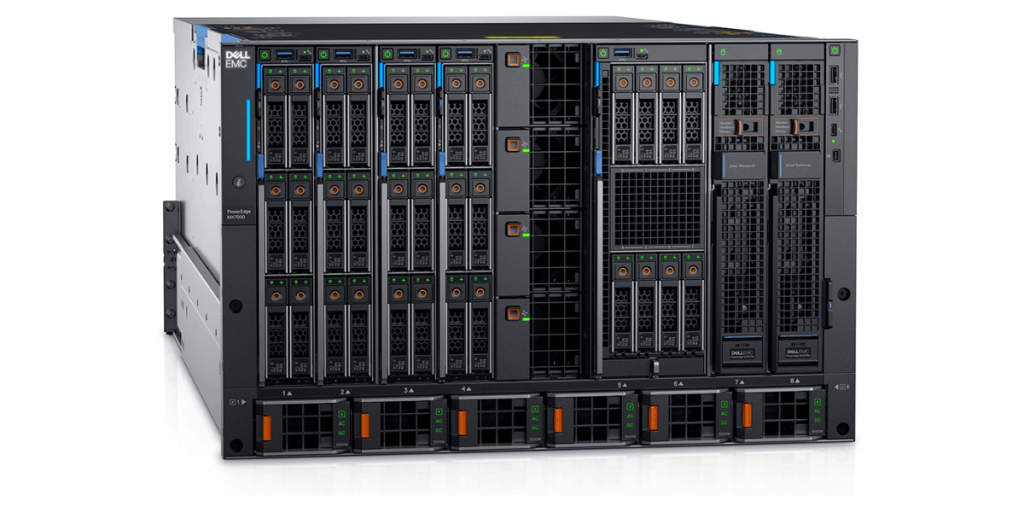
Edge & Distributed Compute
Edge and distributed compute environments need compact, secure, remotely manageable infrastructure that can support local workloads without placing heavy demands on on-site IT teams.
Typical Edge & Distributed Compute Deployments
Retail Stores & Branch Offices
Challenge: Limited local IT resources and the need for consistent deployment standards across many smaller locations.
Manufacturing Facilities
Challenge: Environmental requirements, space constraints and reliable local processing for production systems and operational technology.
Healthcare Locations
Challenge: Security, resilience and remote management for clinical sites where local systems need to remain available.
Warehouses & Logistics Sites
Challenge: Space constraints, local application performance and resilient infrastructure for scanning, automation and warehouse systems.
Remote Sites
Challenge: Remote management, limited hands-on support and the need for infrastructure that can be monitored and maintained centrally.
Industrial Environments
Challenge: Environmental requirements, security and resilience where compact infrastructure must support specialist edge workloads reliably.
Designed for: Organisations standardising edge and core infrastructure on a single platform with centralised lifecycle management.
Why: Consistent server architecture from branch to data centre, with integrated management through iLO, OneView and GreenLake. A strong edge portfolio simplifies operations across distributed locations.
Common deployments
Servers
- HPE ProLiant Edge Ruggedised and compact edge servers for branch offices, retail, healthcare and remote sites that need centralised management without on-site IT. View products ›
Designed for: Distributed organisations requiring flexible server deployment options across diverse locations and workloads.
Why: A broad portfolio spanning tower, rack and edge-optimised servers, backed by strong remote management through OpenManage and iDRAC. Flexible sizing suits mixed branch and regional environments.
Common deployments
Servers
- Dell PowerEdge XR Series Edge-optimised servers built for distributed sites, regional offices and logistics environments where flexible sizing and remote management matter most. View products ›
Designed for: Organisations extending Cisco-centric infrastructure and operations into remote and distributed environments.
Why: A consistent operational model across data centre and edge, with centralised management, policy control and tight integration with Cisco networking — simplifying deployment across multi-site corporate environments.
Common deployments
Servers
- Cisco UCS Edge Servers Compact UCS systems for branch and remote sites that extend data centre policy and management to distributed Cisco-standardised environments. View products ›
Designed for: High-performance edge deployments requiring compact, ruggedised, or highly customised infrastructure.
Why: A wide range of compact and edge-optimised platforms with strong GPU acceleration and AI inference capability — delivering excellent performance density where space is limited.
Common deployments
Servers
- Supermicro Edge Servers Compact and ruggedised platforms for manufacturing, industrial environments and AI inference at the edge, with flexible configs for specialist workloads. View products ›
Where Compute Ends And The Wider Platform Begins
Enterprise compute rarely operates in isolation. Modern server environments are typically combined with virtualisation platforms, storage systems, cloud infrastructure, and AI workloads.
Virtualisation & HCI Solutions
Build scalable virtualised environments with VMware, Nutanix, Microsoft Hyper-V and HCI platforms.
Explore virtualisation & HCI ›Enterprise Storage & Data Protection
Protect and manage business data with modern storage, backup, replication and disaster recovery platforms.
Explore storage & data protection ›Hybrid & Private Cloud Solutions
Create flexible infrastructure that combines on-premise resources with cloud services and private cloud architectures.
Explore hybrid & cloud solutions ›AI Infrastructure & HPC Solutions
High-performance compute, GPU acceleration, and AI-ready infrastructure designed for modern data-intensive workloads.
Explore AI & HPC infrastructure ›Infrastructure Management
- Visibility
- Monitoring
- Server provisioning
- Firmware management
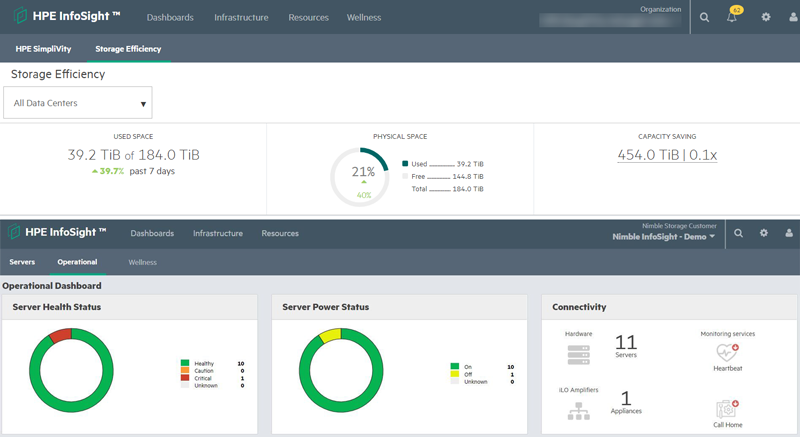
HPE iLO, OneView & InfoSight
Designed for: IT teams running HPE ProLiant Rack or Tower Servers who need remote access, health monitoring, update control, lifecycle visibility, and infrastructure-level management.
- HPE iLO for remote server access and hardware-level control
- HPE OneView for managing infrastructure across multiple HPE systems
- HPE InfoSight for predictive insights and optimisation visibility
OpenManage Enterprise, iDRAC & CloudIQ
Designed for: Teams managing Dell PowerEdge Rack or Tower Servers who want centralised monitoring, remote access, update control, hardware visibility, and simpler day-to-day administration.
- OpenManage Enterprise for managing Dell server estates from one place
- iDRAC for remote access, monitoring, and server administration
- CloudIQ for health insights, analytics, and proactive visibility
Cisco Intersight & UCS Manager
Designed for: Infrastructure teams running Cisco UCS Rack or Blade Servers who need centralised control across compute, server profiles, policy, and fabric-connected environments.
- Cisco Intersight for cloud-based infrastructure operations and visibility
- Cisco UCS Manager for server profiles, policy, and UCS domain control
- Useful where compute and network operations are managed together
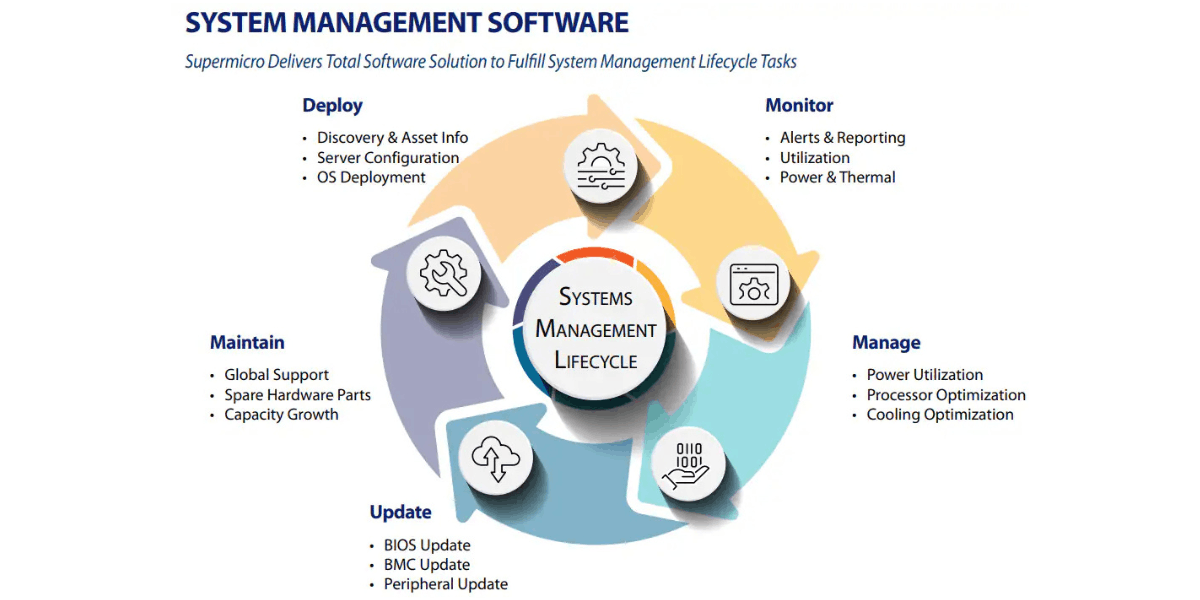
SSM, SuperDoctor 5 & IPMIView
Designed for: Technical teams running Supermicro rack or high-density servers who need practical monitoring, remote access, firmware visibility, and control across flexible hardware builds.
- Supermicro Server Manager for managing multiple Supermicro systems
- SuperDoctor 5 for server health monitoring, alerts, and visibility
- IPMIView for remote access and hardware-level server control
For environments combining servers, storage, virtualisation, and software-defined management, our Virtualisation & HCI solutions provide platform planning and guidance on workload compatibility.
Lifecycle Management
From refresh planning to migration delivery, we help you keep infrastructure modern, right-sized, and ready for what’s next.
Server Refresh Programmes
Replace ageing servers on a planned cadence to cut risk, energy use, and support costs.
See how we help →Capacity Expansion
Add compute, memory, or storage headroom before growing workloads hit a ceiling.
See how we help →Infrastructure Modernisation
Move from legacy estates to modern, software-defined, cloud-ready platforms.
See how we help →Hardware Lifecycle Planning
Map warranty, support, and end-of-life dates into a clear multi-year refresh roadmap.
See how we help →Migration Services
Move workloads, data, and VMs to new hardware or platforms with minimal disruption.
See how we help →Technology Refresh Assessments
Independent review of your estate to identify what to refresh, retain, or retire.
See how we help →Choosing the Right Server Platform for Your Environment
Not every server environment has the same requirements. Some organisations need reliable everyday compute, while others need high-density performance, stronger security, or room to scale. We help you choose the right server platforms for your workloads, operations, and long-term plans.
Mission-Critical Enterprise Compute Environments
Typical requirements
Scalable performance, trusted security, efficient management, and consistent workload consolidation.
Strongest option
Why
ProLiant Rack Servers combine integrated security, automation, and workload scalability for virtualisation, databases, and hybrid infrastructure, helping teams simplify operations while maintaining performance consistency.
Common deployment scenarios
Enterprises, healthcare, public sector, finance, and data centres running virtualisation, databases, private cloud, analytics, AI, ERP, and mixed application workloads securely.
Performance-Driven Data Centre Compute Workloads
Typical requirements
High-density compute, lifecycle management, resilience, automation, and predictable application performance.
Strongest option
Why
PowerEdge Rack Servers deliver scalable rack compute for virtualisation, databases, AI, and cloud-native workloads, helping teams increase capacity without sprawl or disruption.
Common deployment scenarios
Mid-market and enterprise data centres, SaaS platforms, education, manufacturing, and finance teams running ERP, SQL, Oracle, VDI, analytics, AI, and virtualisation.
Standardised Private Cloud Compute Platforms
Typical requirements
Centralised management, dense compute, fast provisioning, automation, and policy consistency.
Strongest option
Why
UCS Blade Servers deliver centrally managed modular compute for data centres and cloud-connected sites, helping teams provision capacity consistently and reduce operational variation.
Common deployment scenarios
Large enterprises, managed service providers, public sector, financial services, and universities standardising virtualisation, private cloud, and application hosting estates efficiently today.
Hyperscale And Compute-Dense Data Facilities
Typical requirements
Maximum compute density, energy efficiency, scalability, cooling, and footprint control.
Strongest option
Why
High-Density Rack Servers consolidate multiple compute nodes into compact platforms, helping teams scale capacity while controlling space, power, and facility expansion.
Common deployment scenarios
Hyperscale operators, cloud providers, HPC teams, AI labs, research institutions, and colocation environments running dense compute or parallel workloads at scale.
Get a clear recommendation for your compute estate
Unsure whether HPE, Dell, Cisco UCS or Supermicro is the right fit? Our specialists can assess your workloads, existing estate, growth plans and operational requirements, then recommend the right approach.
Supporting You at Every Stage
From platform selection and deployment through to ongoing optimisation and lifecycle management, we help organisations build, operate, and evolve their compute infrastructure with confidence.
- Compute Assessment & Planning We review your existing infrastructure, workload requirements, performance goals, and growth plans to identify the right compute platform and architecture before investment decisions are made.
- Server Platform Selection We help you compare HPE ProLiant, Dell PowerEdge, Cisco UCS, and Supermicro solutions against workload requirements, scalability, resilience, management needs, and long-term operational goals.
- Server Pre-Configuration & Staging We help reduce deployment time and configuration risk with factory-build, pre-configuration, asset tagging, firmware updates, burn-in testing, and rack-ready server preparation. Explore Server Pre-Configuration Services
- Deployment & Integration We support the installation and integration of rack, tower, blade, and high-density server environments with existing storage, networking, virtualisation, backup, monitoring, and management platforms.
- Lifecycle Management & Optimisation We help keep server infrastructure stable, supportable, and aligned to business demand through capacity planning, firmware management, hardware refresh programmes, upgrades, health checks, and lifecycle planning.
Book a Free 30-Minute Consultation Call
Get expert advice, no commitment needed. Your consultation link will be sent via email.
Enterprise Compute — FAQs
How do HPE ProLiant and Dell PowerEdge compare for everyday enterprise compute?
Both are strong choices for virtualisation, databases, backup, and core business applications. HPE ProLiant is often chosen by teams standardising around HPE iLO, OneView, and wider HPE infrastructure operations, while Dell PowerEdge suits organisations that want familiar rack and tower platforms managed through OpenManage, iDRAC, and CloudIQ.
When does Cisco UCS make more sense than standard rack servers?
Cisco UCS is a strong fit when compute, networking, server profiles, and policy control need to be managed together. UCS Rack Servers suit standard enterprise workloads, while UCS Blade Servers are better suited to higher-density environments where many servers are consolidated into shared chassis infrastructure with centralised management.
Where do Supermicro servers fit compared with HPE, Dell, and Cisco?
Supermicro is often considered where configuration flexibility, density, or workload-specific hardware choices are important. Standard Rack Servers suit general compute, hosting, storage-heavy, and lab environments, while High-Density Rack Servers are better suited to AI, analytics, HPC, cloud, and service provider workloads where compute per rack space matters.
Should we choose rack, tower, blade, or high-density servers?
Tower servers are best for offices, branch sites, and smaller environments without dedicated rack space. Rack servers are better for scalable data centre and comms room deployments. Blade servers suit consolidated Cisco UCS environments, while high-density rack servers are chosen when performance, rack space, or specialist workloads drive the design.
Which server management platform is most important when comparing vendors?
The management platform affects how servers are monitored, accessed remotely, updated, and maintained. HPE environments commonly use iLO, OneView, and InfoSight. Dell environments use OpenManage, iDRAC, and CloudIQ. Cisco UCS uses Intersight and UCS Manager, while Supermicro environments can use SSM, SuperDoctor 5, and IPMIView.
When do AI, analytics, or high-performance workloads change the server choice?
AI, analytics, modelling, and visual computing workloads often need more than standard CPU capacity. They may require GPU support, higher memory capacity, faster storage, or denser rack designs. In these cases, Supermicro High-Density Rack Servers, selected Dell PowerEdge platforms, and selected HPE ProLiant systems may be more appropriate than general-purpose tower or entry rack servers.
Get a recommendation for your enterprise compute estate
Tell us about your environment and we’ll recommend the right server platform, approach, and management tooling for your specific requirements — with no obligation.