

















Six Ways to Optimise Energy Efficiency and Cut Costs in the Data Centre
Most will be aware that 2022 has been dominated by spiralling energy costs and the cost-of-living crisis. To survive, businesses must think strategically about how they can lower costs and improve operating conditions of their data centre. By implementing a series of smart management choices, even the smallest of data centres can save thousands and significantly reduce carbon footprint. Below are six methods of data centre optimisation to employ, that will not only save your organisation money but help you become greener businesses and enhance corporate image.

1. Optimise Air Cooling
Cooling can account for 30–60% of a data centre’s utility bill, much of which is due to outdated practices and inefficient systems. By using advanced cooling methods, energy bills can be reduced by 15–40%. Optimising CRAC units, sealing unused rack space to direct cold air efficiently, and using hot and cold aisle configurations can reduce energy use by up to 20%, according to TDI Data Centres.
Natural air cooling is transforming modern data centres. Servers can now operate at temperatures up to 27°C, allowing facilities in the UK to adopt systems like EcoCoolers. These systems draw in fresh air and use evaporative cooling pads, replacing traditional air-conditioning units. This eco-friendly approach eliminates refrigerants, reduces carbon footprints, and offers significant cost savings.
2. Consolidate and Virtualise Hardware
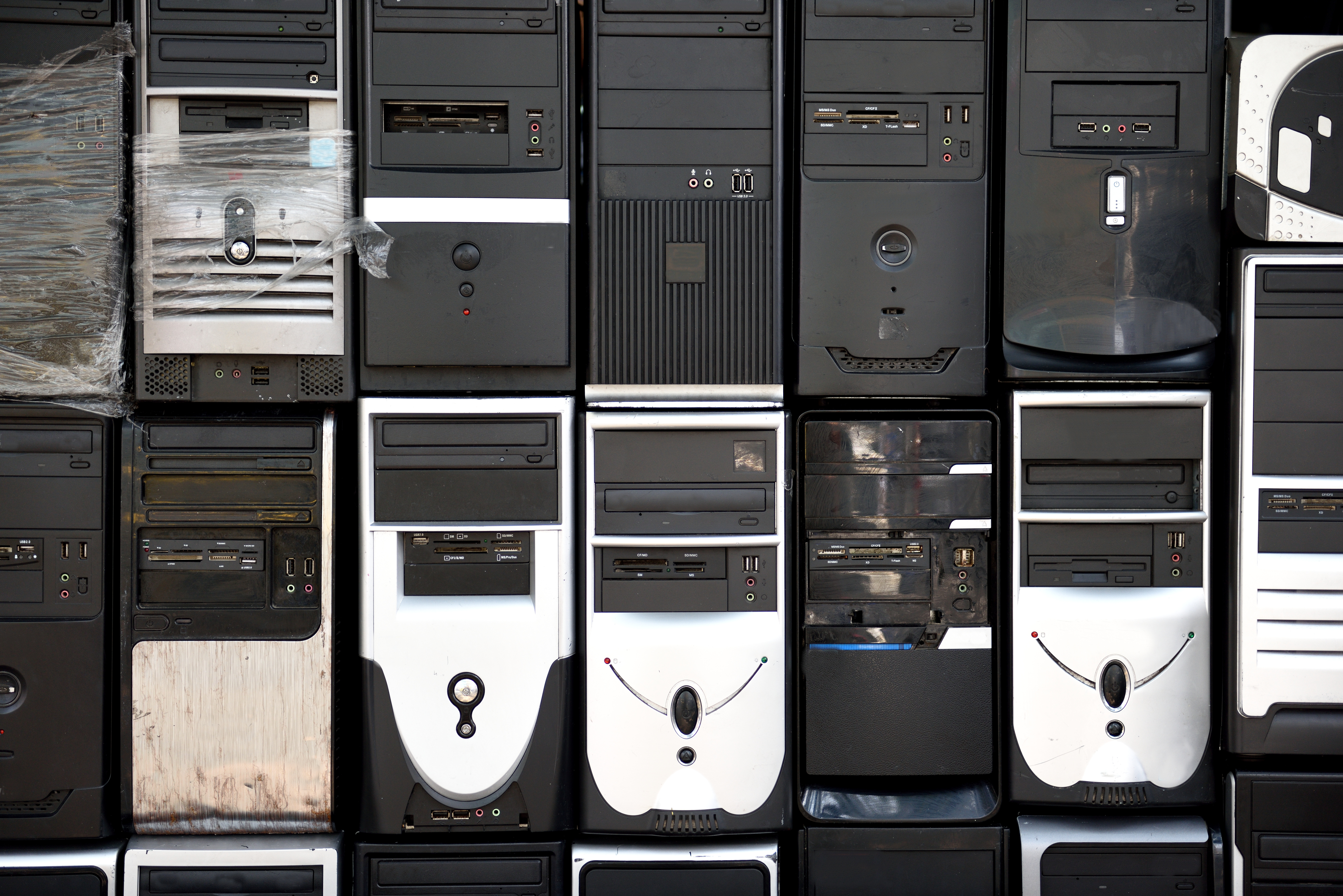
Many servers operate at only 15% capacity, wasting energy and resources. Virtualisation consolidates servers and storage onto shared platforms, enhancing hardware utilisation and significantly reducing power consumption. By consolidating, data centres save on space, cooling, and maintenance costs, with each decommissioned server saving £500 in energy, £500 in operating system licenses, and £1,500 in hardware maintenance annually. While some underutilised equipment is necessary for peak loads, virtualisation addresses many energy issues. Partnering with IT asset disposal experts like ourselves can further offset costs by reselling unused hardware.
3. Deploy Environmental Monitoring
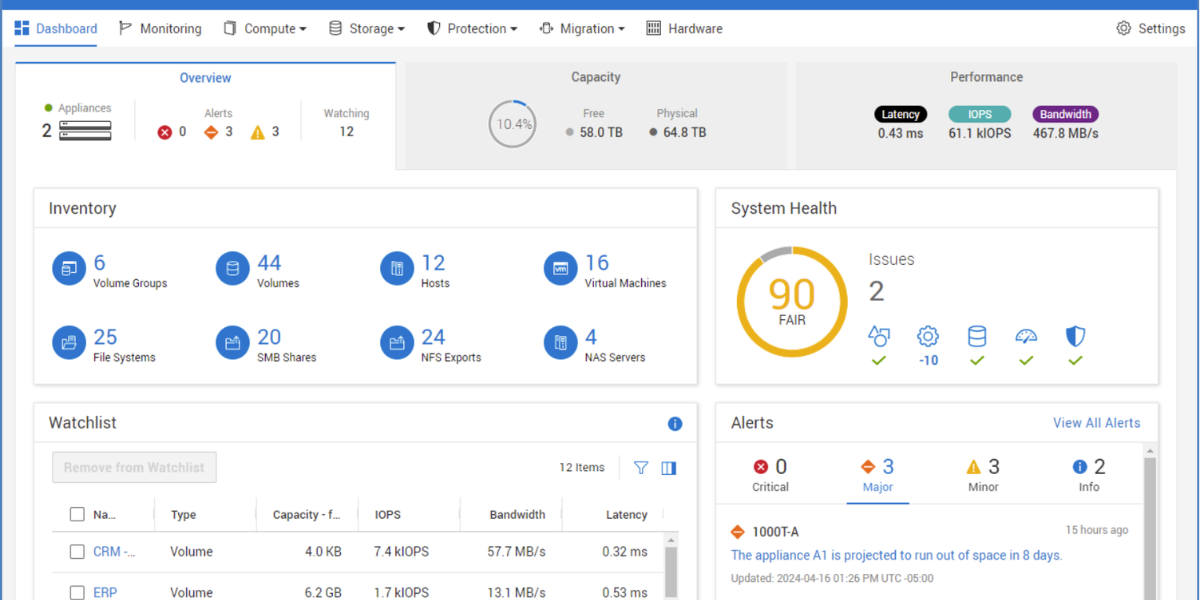
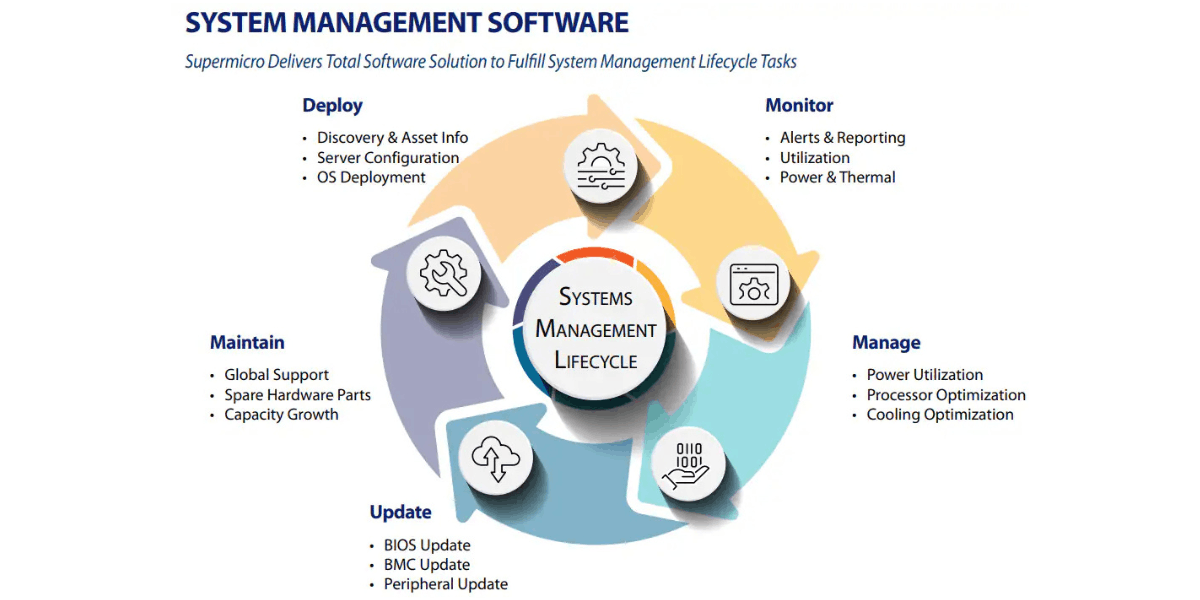
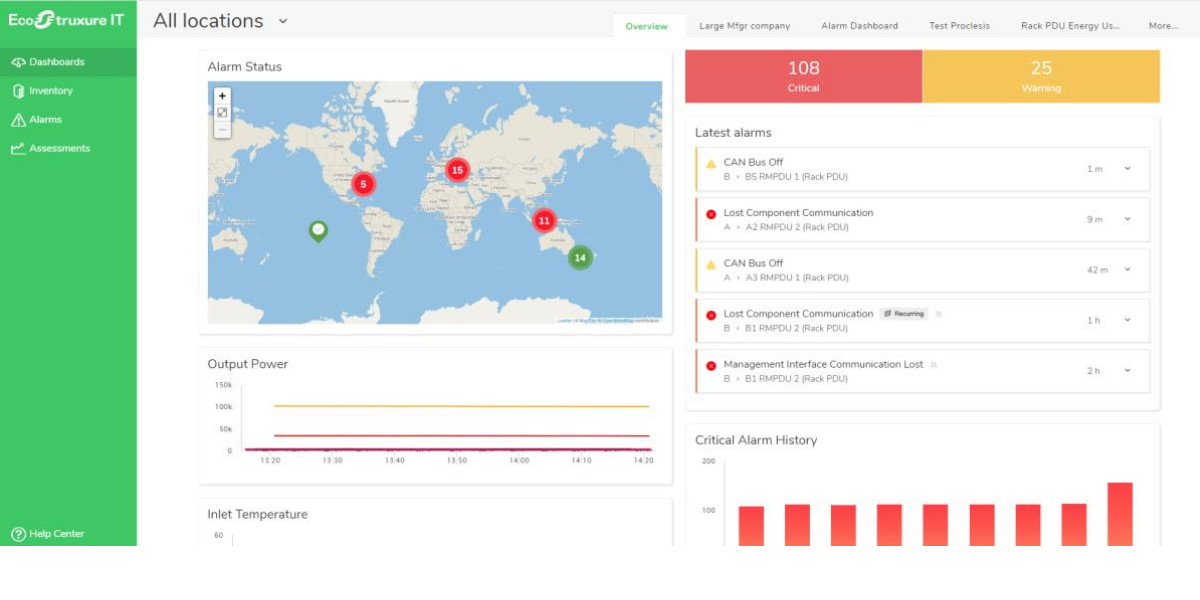
Environmental monitoring uses sensors to track temperature, humidity, airflow, and air pressure, providing performance analytics and alarms when parameters exceed thresholds. Intelligent rack PDUs include built-in sensors for real-time power metering, environmental monitoring, and integration with data centre infrastructure management (DCIM) systems. These tools allow organisations to confidently raise temperatures, optimise cooling, and set alerts for over-temperature risks, reducing energy costs.
Additionally, Asset Management Tags (AMTs) provide accurate, automated, real-time tracking of IT assets and their locations, down to the 1U level. When integrated with DCIM software, AMTs enable capacity tracking, asset management, and streamlined operations for adds, moves, or changes.
4. Update Server Components
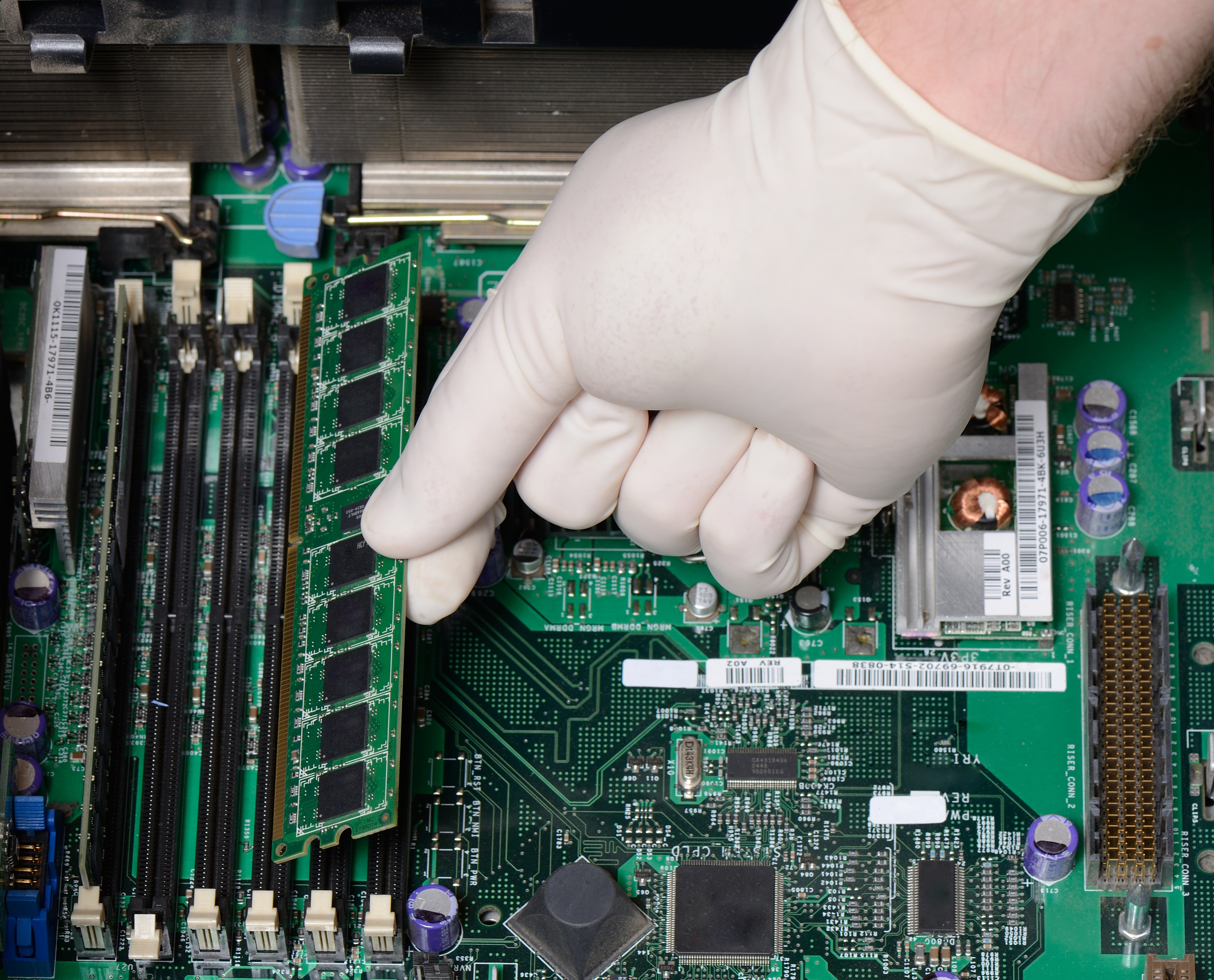
Upgrading server components enhances performance and lowers total cost of ownership (TCO). As businesses use more demanding software and larger databases, efficient server components are crucial. Adding memory increases Virtual Machine capacity, boosts bandwidth, and reduces bottlenecks, while replacing hard drives with SSDs cuts power usage. SSDs consume less energy, generate less heat, and offer superior IOPS due to their lack of moving parts.
Server upgrades don’t require replacing the entire unit. Components like CPUs, memory, fans, and power supplies can be refreshed based on their lifecycles. For example, compute and memory technology improves every 1–2 years, while power supplies can last up to 10 years. Evaluating components at a subsystem level helps data centres reuse long-life elements, cut costs, and reduce e-waste.
5. Operate at Warmer Temperatures
Many data centres continue to use cooler settings, despite modern IT equipment being able to operate safely at higher temperatures, wasting energy and money. Jeff Klaus, General Manager of Intel, explains that tradition is the main barrier to adopting high-temperature ambiency (HTA). Leading cloud providers like Alibaba and Rackspace now use HTA, and Klaus highlights that raising temperatures by just 4°C can save up to 20% in cooling costs.
Sensors and DCIM software make it easy to safely raise temperatures while maintaining efficiency. Modern DCIM tools include ASHRAE cooling charts to ensure compliance with recommended ranges. By gradually increasing CRAH/CRAC set points and monitoring equipment within ASHRAE guidelines, data centres can prevent overheating and set alarms for immediate action if thresholds are exceeded. This method balances cost savings with performance.
6. Consider a Switch to Liquid Cooling
While liquid cooling may not be suitable for all data centres, it is gaining traction, particularly with hyperscale operators like Google, Amazon, and Microsoft. Liquid cooling circulates a liquid through a heat sink attached to the processor, transferring heat more efficiently than air cooling due to the liquid’s high specific heat capacity.
For example, air cooling supports up to 60kW/rack, direct liquid cooling up to 70kW/rack, and full immersion/fanless liquid cooling up to 120kW/rack. This technology provides quieter operation and better performance while maintaining safe temperatures. However, liquid cooling can be expensive and may require significant facility redesigns, posing challenges for legacy data centres with space and environmental constraints.
Although a widespread shift to liquid cooling may take time, it’s worth considering for organisations seeking advanced solutions. If you’d like to explore the benefits and feasibility of liquid cooling for your business, we’d be happy to help design and implement a tailored strategy. Contact us.

How Efficient Is Your Data Centre?
We would be interested in hearing how your data centre stacks up. If you have further questions regarding the best practices, or would like to safely make improvements to your data centre our team would be happy to take a call on 0114 400 0038, or can be emailed at sales@steelcityconsulting.co.uk for any questions that you may have.