













Network Security Management & Operational Solutions
The Challenge of Modern Security Management & Operations
Security teams are expected to monitor more users, devices, applications and infrastructure while responding to threats across increasingly distributed environments.
Key challenges include:
- Limited visibility across network, identity, endpoint, cloud and application activity.
- High alert volumes that make genuine threats harder to identify and prioritise.
- Security data spread across separate monitoring, analytics and management platforms.
- Manual investigation, escalation and response processes that slow incident handling.
- Inconsistent policy, configuration and administration across distributed security infrastructure.
- Difficulty correlating activity across multiple security tools, vendors and data sources.
- Growing operational workload as the security estate expands across sites and cloud environments.
These challenges can increase response times, create visibility gaps and place greater pressure on security teams.
Modern security management and operations platforms help address these challenges by combining visibility, threat analytics, SIEM, XDR, automation and centralised administration - giving teams clearer insight, more consistent control and faster response across the wider infrastructure estate.
Common Network Security Management Challenges — And How We Solve Them
Here are some of the most common network security challenges we help organisations overcome:
Improve Security Visibility
Challenge
Security data spread across separate tools can make threats harder to identify.
Solution
- Centralised visibility brings relevant security events and infrastructure telemetry together.
Detect Threats Earlier
Challenge
Manual monitoring can make suspicious activity difficult to detect quickly.
Solution
- SIEM, XDR and threat analytics correlate activity to highlight potential threats sooner.
Accelerate Incident Response
Challenge
Manual investigation and response processes can delay containment and remediation.
Solution
- Automated workflows help enrich alerts, coordinate response and reduce repetitive tasks.
Centralise Security Management
Challenge
Distributed security tools and policies increase administrative overhead.
Solution
- Centralised platforms simplify policy, configuration and operational management across the estate.
Connect Security Operations
Challenge
Separate monitoring and response platforms can create fragmented investigation workflows.
Solution
- Integrated security platforms connect visibility, analytics, investigation and response processes.
Manage Distributed Environments
Challenge
Multiple sites, cloud platforms and security controls can make consistent operations difficult.
Solution
- Unified management helps maintain consistent visibility and control across distributed environments.
From architecture and design to implementation and optimisation, we deliver network security solutions that keep pace with emerging threats, simplify policy and compliance control, and enforce consistent protection across your infrastructure.
Find the Right Security Management Solution for Your Challenge
Security Visibility & Threat Analytics
Bring network and security data together to identify suspicious activity and visibility gaps.
Explore Visibility & Threat Analytics › 02SIEM, XDR & Security Operations
Centralise security data to improve threat detection, investigation and incident response.
Explore SIEM, XDR & Security Operations › 03Security Automation & Response
Automate repetitive security tasks to speed up investigation, escalation and response.
Explore Security Automation › 04Security Management & Administration
Centralise policy, configuration and operational control across the security estate.
Explore Security Management ›Security Visibility & Threat Analytics
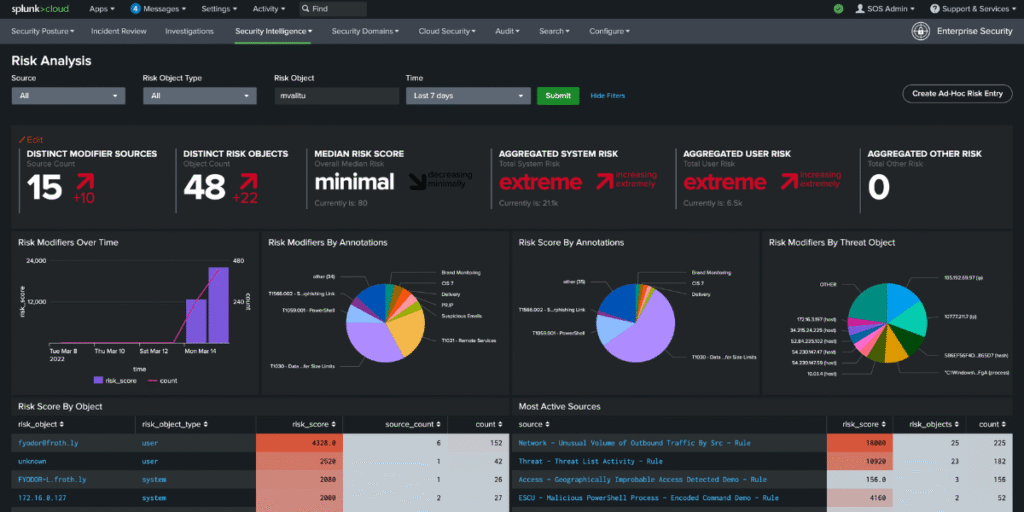
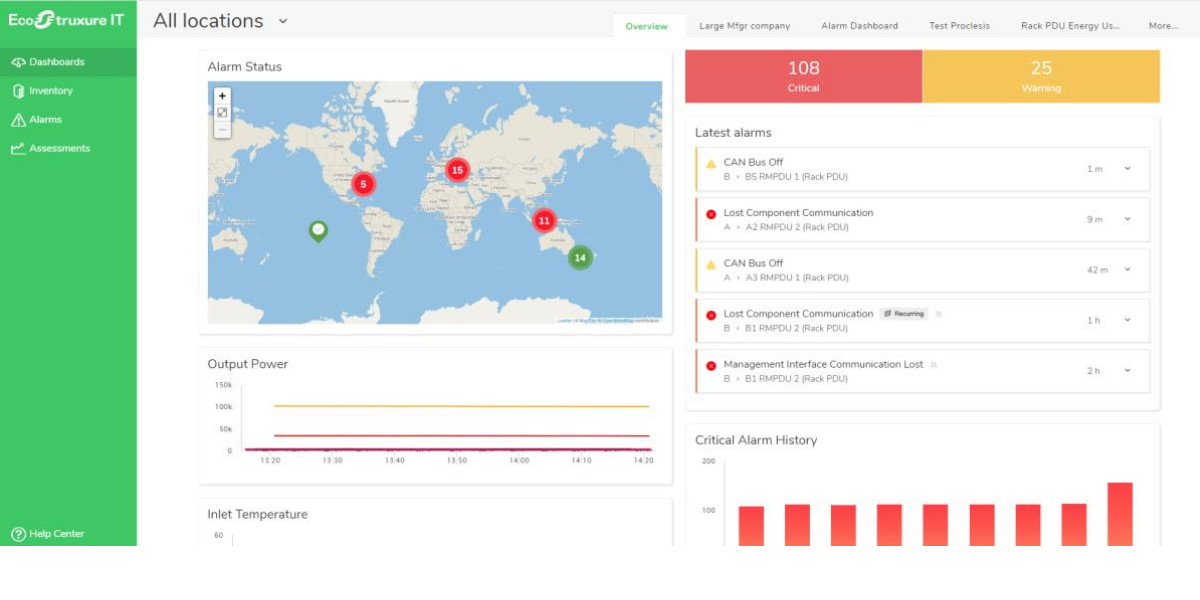
Designed to provide visibility into network activity, identify suspicious behaviour and support threat detection across enterprise environments.
Building Security Visibility Across the Infrastructure
| Data Source | Provides Visibility Into | Operational Value |
|---|---|---|
| Network telemetry | Traffic flows, communications and network behaviour | Identify unusual traffic patterns and lateral movement |
| Firewalls & security gateways | Connections, applications, threats and policy events | Understand blocked and allowed activity alongside security events |
| Identity & access | Authentication, users, devices and access requests | Associate activity with identities and access context |
| Endpoints | Processes, devices and endpoint activity | Identify suspicious behaviour originating from users and devices |
| Cloud infrastructure | Workloads, services and cloud activity | Extend visibility beyond on-premises infrastructure |
| Applications | Application activity and access | Add workload and application context to investigations |
Best for: Network detection, behavioural analytics and threat visibility across enterprise and hybrid network environments.
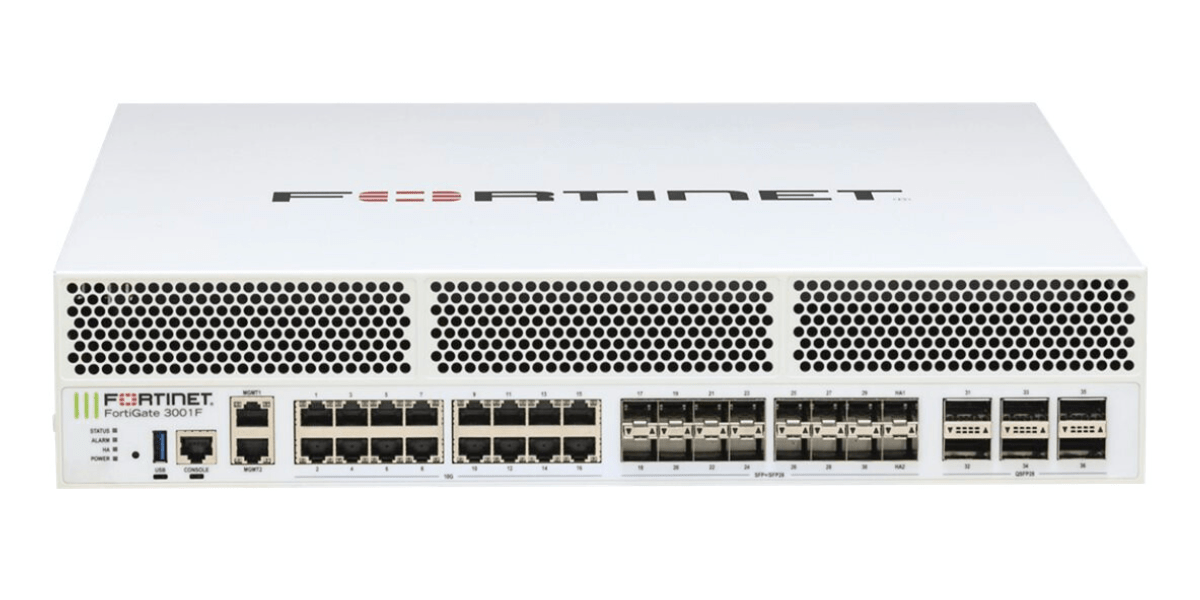
Best for: Security analytics, reporting and operational visibility across Fortinet Security Fabric environments.
SIEM, XDR & Security Operations
As cyber threats become more sophisticated, organisations require continuous visibility across their networks, users and endpoints. Security analytics and Security Information & Event Management (SIEM) platforms help security teams detect threats earlier, investigate incidents faster and automate security operations.
Traditional Security Monitoring vs Modern Security Operations
| Traditional Monitoring | Modern Security Operations |
|---|---|
| Event analysis: Relies heavily on manual log review and investigation | Event analysis: Uses automated event correlation to identify related security activity |
| Visibility: Security data is often spread across isolated tools and consoles | Visibility: Brings security data together for more unified monitoring and investigation |
| Threat detection: Investigations typically begin after suspicious activity or incidents are identified | Threat detection: Uses continuous monitoring and analytics to identify threats earlier |
| Incident response: Depends on manual investigation, escalation and remediation processes | Incident response: Uses automated workflows to accelerate containment, investigation and response |
SIEM vs XDR
| SIEM | XDR | |
|---|---|---|
| Primary purpose | Centralise, correlate and analyse security events | Detect, investigate and respond across integrated security controls |
| Data coverage | Broad data collection across infrastructure, applications and security tools | Typically deeper integration across supported security technologies |
| Detection | Correlation rules, analytics and threat detection across collected events | Cross-domain detection using integrated telemetry and analytics |
| Investigation | Provides centralised event and investigation context | Connects related activity across users, endpoints, networks, cloud and applications |
| Response | Often integrates with automation and response platforms | Can coordinate response actions across integrated security controls |
| Best suited to | Organisations requiring broad security visibility, event management, reporting and investigation | Organisations seeking integrated detection, investigation and response across their security estate |
SIEM & Security Operations Platforms
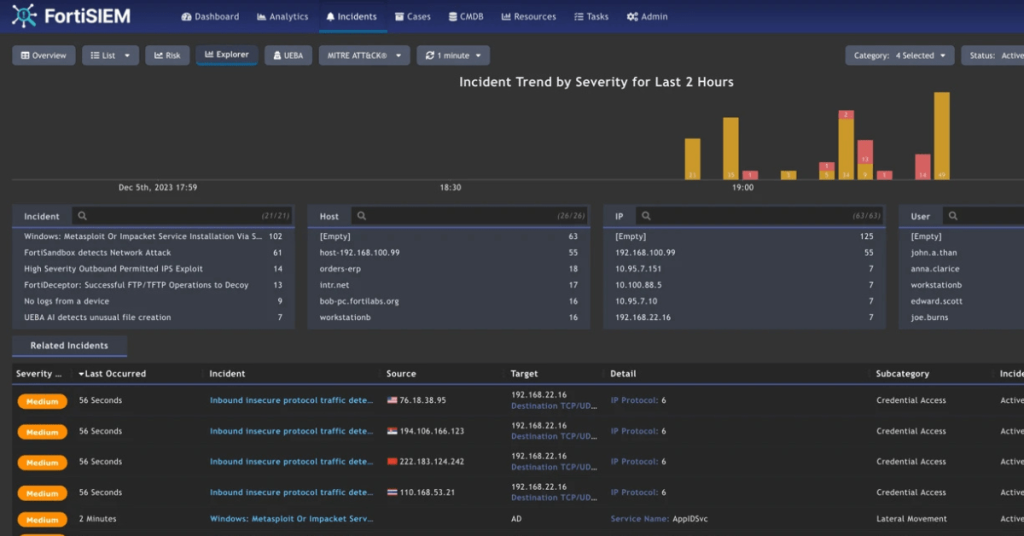
Designed to centralise security events, correlate alerts across multiple technologies and support faster investigation and response.
Best for: Enterprise security monitoring and event correlation across hybrid IT and security environments.
Best for: Large-scale SIEM and security operations requiring centralised analytics, investigation and threat visibility.
Best for: Cross-platform threat detection and investigation across integrated Cisco and third-party security technologies.
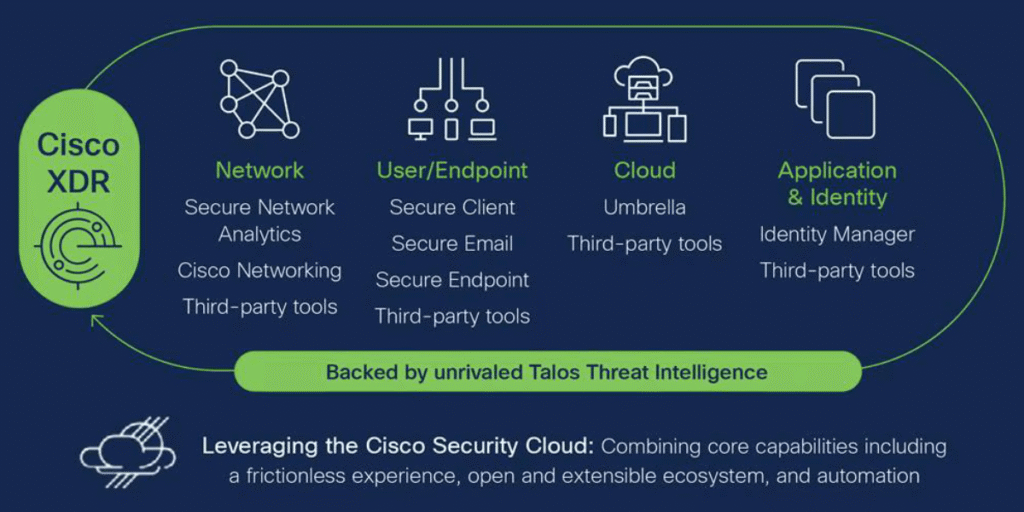
Explore SIEM and XDR Solutions
Designed to unify security visibility and correlate threats across the environment, enabling faster investigation and co-ordinated response.
Security Automation & Response
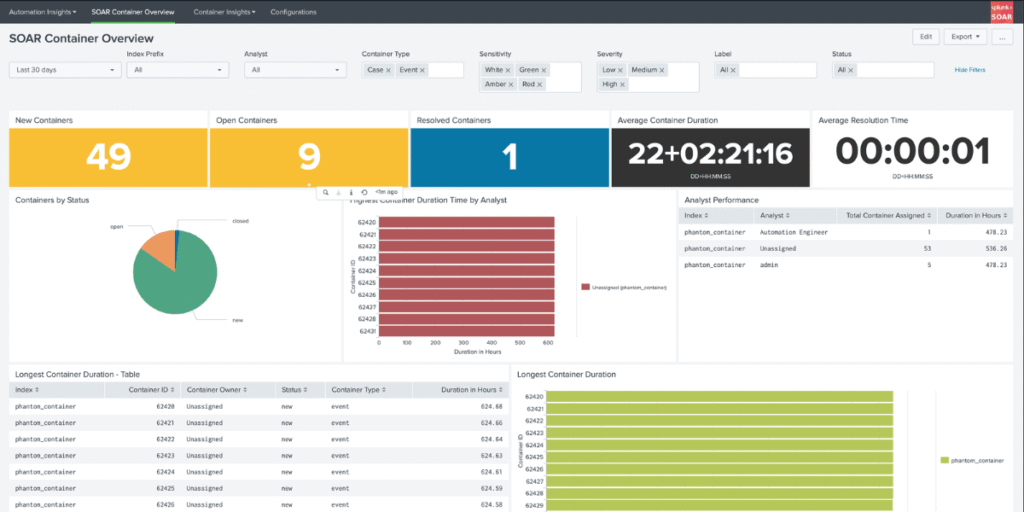
Designed to automate repetitive security tasks, orchestrate incident response and reduce the time required to contain cyber threats.
Manual vs Automated Response
| Manual Security Response | Automated Security Response | |
|---|---|---|
| Alert Triage | Analysts review and prioritise alerts individually, increasing workload as event volumes grow. | Predefined workflows enrich, classify and prioritise alerts before analyst review. |
| Investigation | Security teams manually gather context from multiple tools, logs and data sources. | Relevant security and infrastructure data can be automatically collected and correlated to support investigation. |
| Escalation | Incidents are manually assigned and passed between teams using separate processes and tools. | Workflow-driven escalation routes incidents to the appropriate teams based on severity, type and predefined policies. |
| Response Actions | Analysts perform containment and remediation actions individually across security platforms. | Approved response actions can be orchestrated across integrated security controls while retaining human oversight where required. |
| Consistency | Response can vary depending on workload, available information and individual processes. | Repeatable playbooks help organisations apply consistent response processes across common incident types. |
| Operational Scale | Increasing alert volumes typically require additional analyst time and resources. | Automation reduces repetitive tasks, allowing teams to focus on higher-value investigation and complex incidents. |
Best for: Security orchestration and automated response across Fortinet and integrated third-party security environments.
Best for: Enterprise security automation and workflow management across complex SOC and multi-vendor security environments.
Security Management & Administration
As security environments grow in scale and complexity, organisations require centralised management, operational visibility and consistent policy enforcement. Security management platforms simplify administration, improve operational efficiency and provide greater control across distributed security environments.
Individual Device Management vs Centralised Security Management
| Individual Device Management | Centralised Security Management |
|---|---|
| Administration: Requires device-by-device configuration and management | Administration: Brings security management into a central platform |
| Policy updates: Policies must often be updated manually across individual devices | Policy updates: Enables consistent policy deployment across the security estate |
| Visibility: Provides limited visibility across the wider security environment | Visibility: Provides estate-wide visibility across devices, policies and security activity |
| Operations: Tends to rely on reactive administration and manual intervention | Operations: Supports more proactive monitoring, management and policy control |
Security Management Platforms
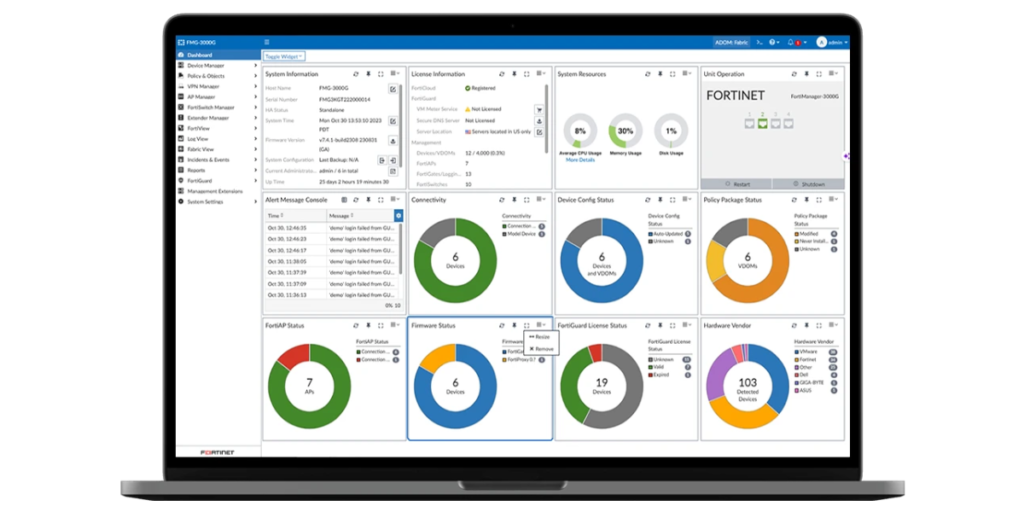
Designed to simplify the administration of enterprise security environments through centralised configuration, policy management and operational control.
Best for: Centralised management of Fortinet Security Fabric environments, policies, configurations and device operations.
Best for: Centralised firewall policy, threat visibility and security management across Cisco Secure Firewall environments.
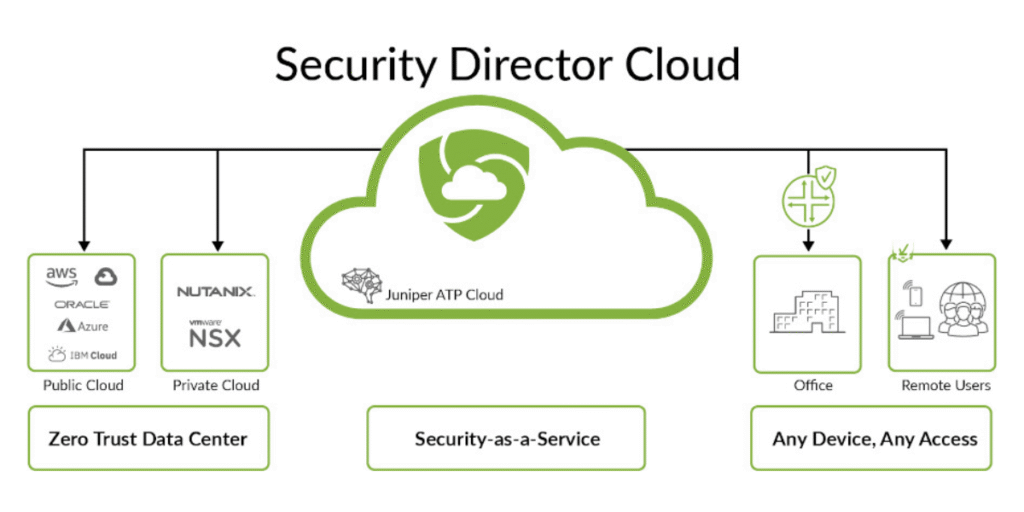
Best for: Centralised policy and security management across Juniper firewall environments spanning data centre, branch and cloud.
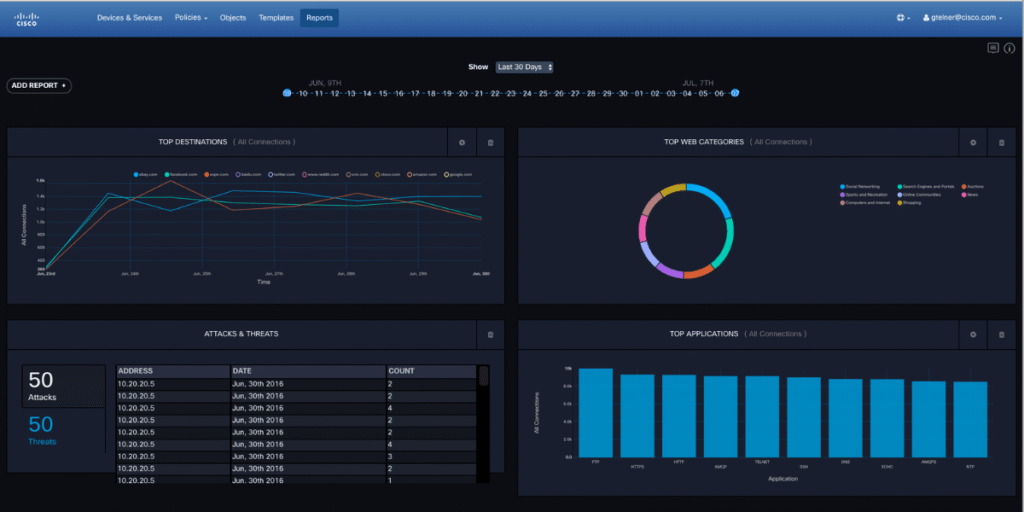
Why Centralised Security Management Matters
Explore Security Management Solutions
Network Security Management & Operations Ecosystems
Managing network security across multiple sites, users and platforms can quickly become complex. We help organisations bring visibility, policy management and security operations together so teams can manage threats more consistently and respond faster.
Cisco Security Management & Operations
Best for: Organisations combining network security visibility, threat detection, analytics and centralised policy management across Cisco and integrated environments.
Explore- Cisco Secure Network Analytics
- Cisco XDR
- Splunk Enterprise Security
- Splunk SOAR
- Cisco Firewall Management Center
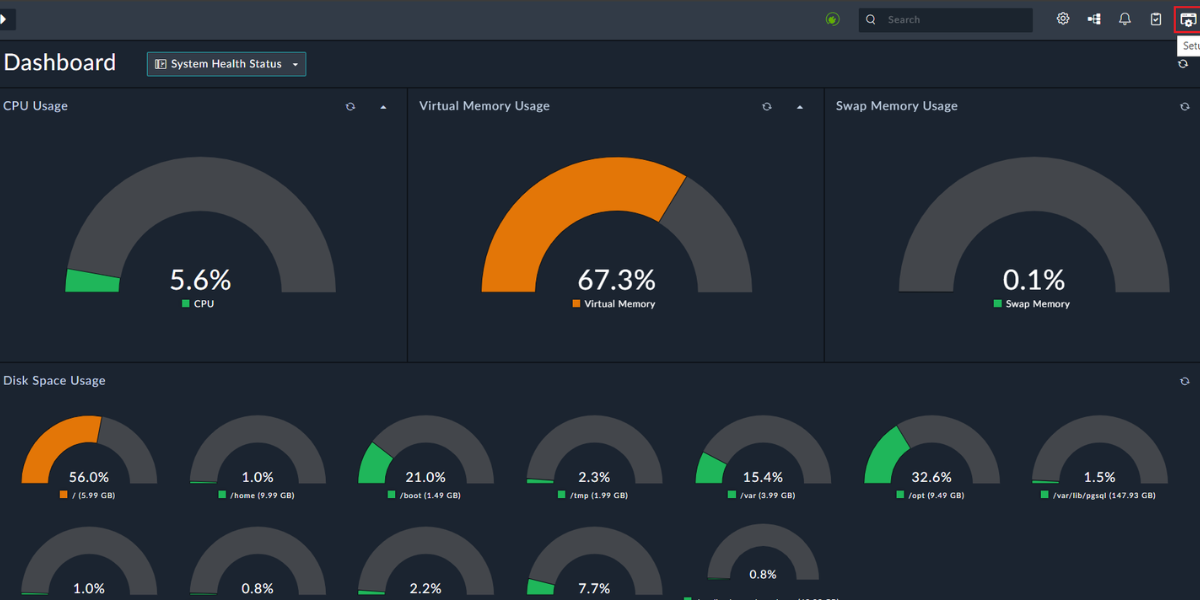
Fortinet Security Fabric
Best for: Organisations seeking integrated security management, analytics and automation across distributed Fortinet infrastructure.
Explore- FortiManager
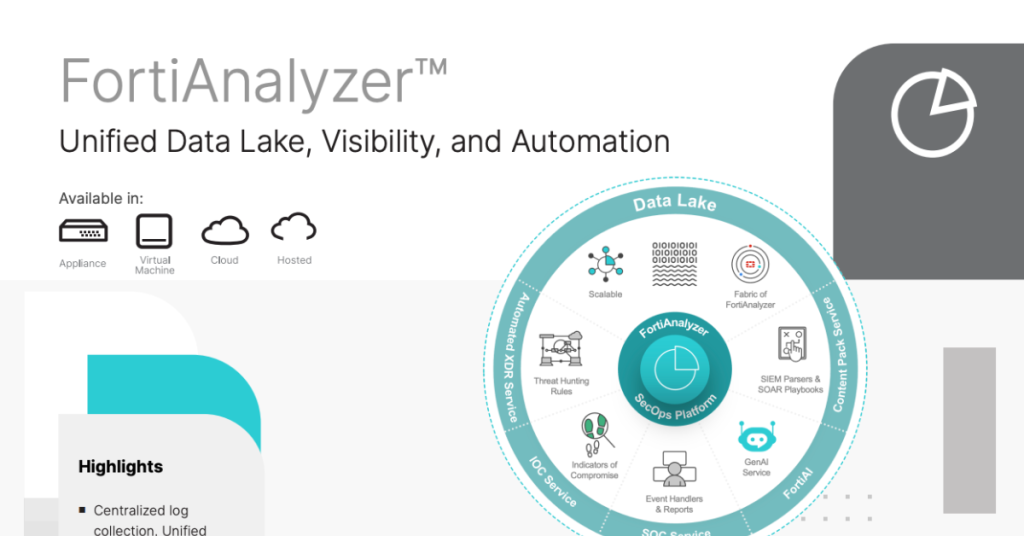
- FortiAnalyzer
- FortiSIEM
- FortiSOAR
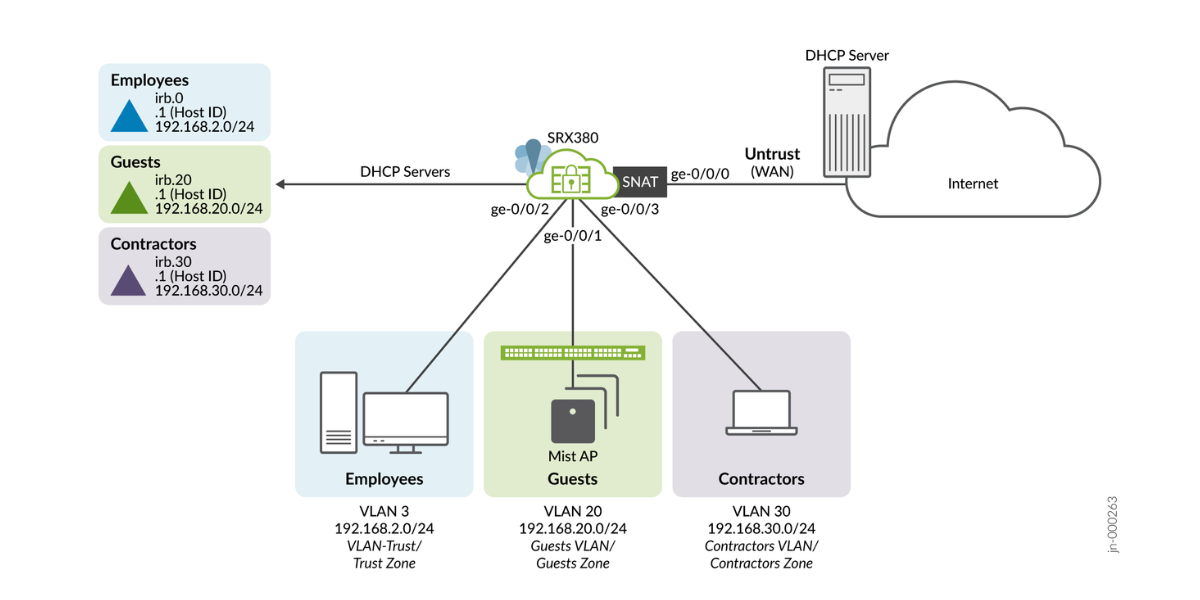
Juniper Security Management
Best for: Juniper environments requiring centralised security policy, configuration and operational management across distributed network infrastructure.
Explore- Juniper Security Director
- Juniper Security Director Cloud
- Juniper SRX Management
Where Security Management & Operations Fit Within Your Wider Infrastructure Strategy
Security management and operations connect visibility, detection, policy and response across your IT environment. By bringing security data and controls together, organisations can identify threats faster, manage risk more consistently and simplify day-to-day security operations.
Network Security Solutions
Protect users, devices, applications and infrastructure with integrated firewalling, access control, threat detection and secure connectivity.
Explore network security ›Cloud & Network Management Solutions
Centralise network visibility, configuration, policy and automation across distributed enterprise infrastructure.
Explore network management ›Campus Networking Solutions
Build secure wired and wireless environments with greater visibility across users, devices and network access.
Explore campus networking ›WAN & Edge Networking Solutions
Secure branch, edge and cloud connectivity with consistent policy and operational visibility across distributed locations.
Explore WAN & edge ›Data Centre Networking Solutions
Improve visibility and control across high-performance data centre fabrics, segmentation and critical infrastructure connectivity.
Explore data centre networking ›Industrial & OT Networking Solutions
Secure and segment industrial networks while improving visibility across operational technology and connected infrastructure.
Explore industrial & OT networking ›Supporting You at Every Stage
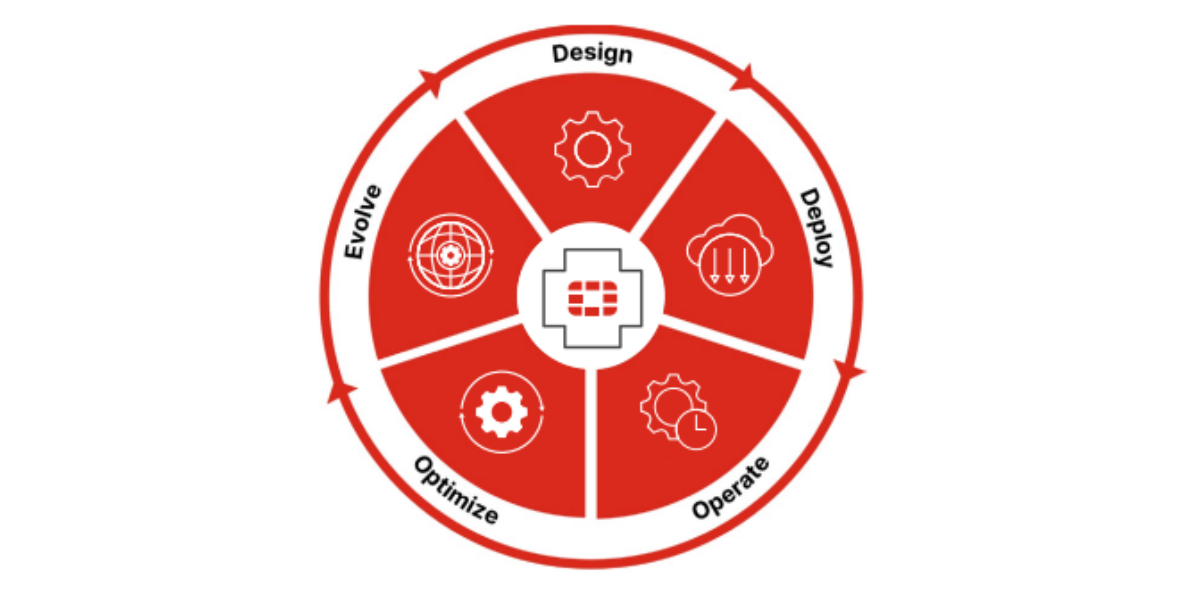
- Security Architecture & Design We design security management architectures around your infrastructure, users and operational requirements, helping you establish the right approach to visibility, detection and response.
- Security Visibility & Threat Assessments We assess your existing monitoring, telemetry and security controls to identify visibility gaps, operational complexity and opportunities to improve threat detection.
- SIEM & XDR Planning We help define how security data should be collected, correlated and investigated, aligning SIEM and XDR platforms with your wider infrastructure and security operations.
- Security Automation & Response We design and implement automated workflows and response processes to reduce repetitive tasks, improve consistency and accelerate investigation and remediation.
- Security Platform Integration We bring together SIEM, XDR, analytics, network security and management platforms so visibility, policy and operational workflows work more effectively across the environment.
- Infrastructure Lifecycle & Technology Refresh Services We plan and deliver security platform upgrades, migrations and refresh projects, helping you modernise management and operations without unnecessary disruption.
Book a Free 30-Minute Consultation Call
Get expert advice, no commitment needed. Your consultation link will be sent via email.
Network Security Management & Operations — FAQ
What is security management and operations?
Security management and operations bring together visibility, threat detection, investigation, policy management and response across the IT environment.
In practice, this can include SIEM, XDR, security analytics, automation and centralised management platforms that help security teams monitor activity, investigate incidents and manage controls more consistently.
We can assess your existing security operations and help define the right combination of platforms, integrations and processes for your environment. Book a consultation with our security specialists.
What is the difference between SIEM and XDR?
SIEM provides broad collection and analysis of security events, while XDR connects detection and investigation across integrated security technologies.
SIEM platforms are typically used for centralised logging, event correlation, investigation and reporting. XDR brings together telemetry from areas such as endpoints, identity, networks, cloud and applications to help connect related activity.
Many organisations use the technologies together rather than choosing one or the other. Speak to us about planning your SIEM or XDR environment.
How can I improve security visibility across my infrastructure?
Security visibility improves when relevant telemetry from networks, firewalls, identity, endpoints, cloud platforms and applications can be viewed and analysed together.
Centralised monitoring and analytics help reduce gaps between individual tools, making it easier to understand activity across the wider environment and identify behaviour that may require investigation.
We can review your existing monitoring stack, identify visibility gaps and help integrate suitable security analytics platforms. Book a security assessment with our team.
What is security automation and response?
Security automation uses predefined workflows to handle repetitive investigation, enrichment, escalation and response tasks.
Instead of analysts manually collecting information from multiple tools, automated workflows can gather context, prioritise alerts and coordinate approved response actions. Human oversight can still be retained where decisions require analyst approval.
We can help identify suitable processes for automation and integrate them with your existing security platforms. Speak to our team about security automation.
What is SOAR and how does it support security operations?
SOAR helps security teams automate and orchestrate repeatable investigation and incident response processes across multiple security tools.
Platforms such as Splunk SOAR and FortiSOAR can use playbooks to enrich alerts, collect evidence, route incidents and initiate approved response actions. This can reduce manual workload while improving consistency across common incident types.
We can help determine where SOAR adds value within your existing SIEM, XDR and security operations environment. Book a consultation to discuss security automation.
Why centralise security management?
Centralised security management gives teams a more consistent way to manage policy, configuration, monitoring and operational activity across distributed infrastructure.
This can reduce administrative overhead, improve configuration consistency and make it easier to manage security across multiple sites, platforms and environments. Technologies such as Cisco Firewall Management Center, FortiManager and Juniper Security Director support this approach.
We can review your current management model and help consolidate platforms where it provides practical operational value. Speak to us about centralising security management.
What security data should be monitored?
Useful security monitoring typically combines data from network infrastructure, firewalls, identity systems, endpoints, cloud services and applications.
Each source provides different context. Network telemetry can reveal unusual communications, identity data shows who is accessing resources, while endpoint and application activity can help explain what occurred during an incident.
We can help identify the telemetry that provides the most useful visibility for your environment without collecting unnecessary data. Book a consultation with our security team.
Which security management platform is right for my organisation?
The right platform depends on your existing security estate, infrastructure vendors, data sources, operational processes and the capabilities your team actually needs.
Cisco, Splunk, Fortinet and Juniper provide different strengths across SIEM, XDR, analytics, automation and centralised security management. The strongest fit is usually the platform that integrates effectively with the wider environment rather than the one with the longest feature list.
We work across these technologies and can assess your existing estate, compare suitable options and plan the deployment around your operational requirements. Book a consultation with a security specialist.