








Cloud & Network Management Solutions for Modern IT Estates
Centralised visibility and automated control across complex, multi-site IT environments.
The Challenges of Modern Cloud & Network Management
Modern IT environments are increasingly distributed across on-premises infrastructure, cloud platforms, remote sites and applications. As environments grow, maintaining visibility, control and consistent performance becomes more difficult.
As a result, organisations face a consistent set of challenges:
- Managing increasingly distributed IT infrastructure.
- Maintaining visibility across networks, servers and applications.
- Reducing operational complexity and manual administration.
- Supporting hybrid cloud and multi-site environments.
- Automating routine management and configuration tasks.
- Improving infrastructure performance and resilience.
- Identifying issues before they impact the business.
These challenges increase management overhead and make infrastructure harder to operate effectively.
Modern infrastructure management solutions bring monitoring, automation and control together, helping IT teams manage complex environments more efficiently and respond proactively to change.
Cloud & Network Management Challenges — And How We Solve Them
Here are some of the most common challenges we help organisations overcome:
Centralising Infrastructure Management
Challenge
Disconnected tools make infrastructure harder to manage.
Solution
- Centralise management across networks, servers and infrastructure.
Improving Visibility & Monitoring
Challenge
Limited visibility makes issues difficult to identify.
Solution
- Monitor infrastructure health, utilisation and performance clearly.
Automating Infrastructure Operations
Challenge
Routine administration consumes valuable IT resources.
Solution
- Automate repetitive management, configuration and lifecycle tasks.
Managing Hybrid & Multi-Site Environments
Challenge
Distributed environments create fragmented management.
Solution
- Manage cloud, on-premises and remote sites consistently.
Simplifying Operations with AI
Challenge
Complex networks make troubleshooting slow and reactive.
Solution
- Use AI and automation to identify and resolve issues faster.
Reducing Operational Complexity
Challenge
Too many platforms and processes increase overhead.
Solution
- Simplify operations through integration and standardisation.
From architecture and design to implementation and optimisation, we deliver data centre networking solutions that improve performance, simplify operations, and prepare your business for what’s next.
Network Management
Modern enterprise networks require centralised management platforms to simplify administration, improve operational visibility and support consistent policy enforcement across campus, branch and data centre environments.
Traditional Network Management vs Modern Network Management
| Traditional Management | Modern Network Management |
|---|---|
| Administration: Relies on device-by-device management across the network | Administration: Uses a centralised management platform across the network estate |
| Configuration: Requires manual configuration and repeated administrative tasks | Configuration: Uses automated provisioning and standardised configuration workflows |
| Visibility: Provides limited operational visibility across devices and sites | Visibility: Provides end-to-end visibility across users, devices and network infrastructure |
| Troubleshooting: Typically relies on reactive investigation after issues occur | Troubleshooting: Uses AI-assisted operations and analytics to identify issues faster |
Network Management Platforms
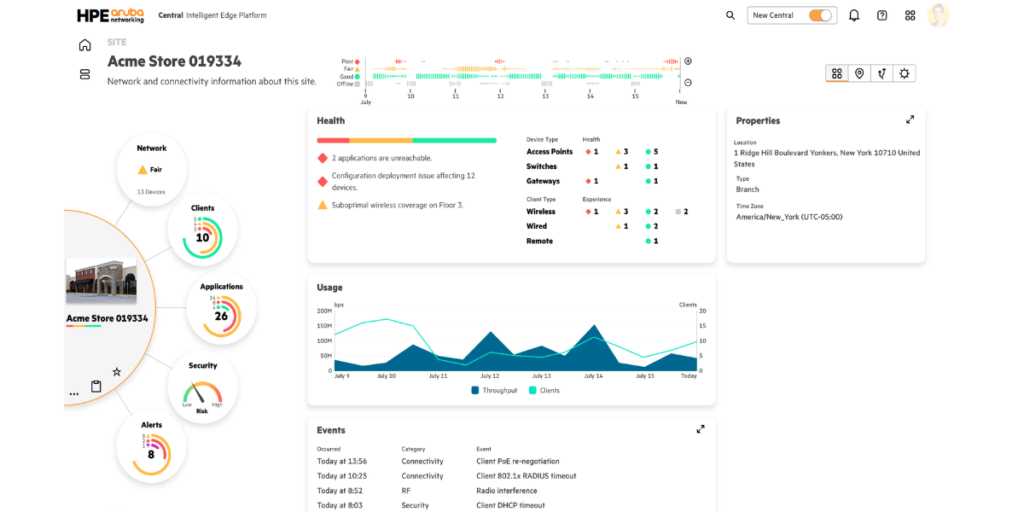
Designed to centralise network operations, simplify administration and provide greater visibility across enterprise networking environments.
Best for: Distributed campus, branch and wireless environments requiring cloud-managed operations, visibility and AI-assisted troubleshooting.
Best for: Cisco environments requiring centralised management, automation and assurance across campus, branch, Meraki and data centre networks.
Campus Network Automation
Data Centre Network Management
Best for: Organisations prioritising AI-native network operations across distributed networks or intent-based automation within the data centre.
AI-Native Network Management
Explore Network Management Solutions
Infrastructure Management
Centralised infrastructure management can simplify lifecycle operations, improve hardware visibility and streamline the administration of compute, storage and hybrid infrastructure across distributed environments.
Traditional Infrastructure Management vs Modern Infrastructure Management
| Traditional Management | Modern Infrastructure Management |
|---|---|
| Administration: Relies on manual server and infrastructure administration | Administration: Uses centralised management across compute and infrastructure environments |
| Operations: Uses separate, siloed tools across infrastructure platforms | Operations: Provides more unified management and operational visibility across the infrastructure estate |
| Monitoring: Typically relies on reactive maintenance after issues are identified | Monitoring: Uses proactive monitoring, analytics and predictive insights to identify issues earlier |
| Lifecycle: Requires time-consuming manual processes for updates, maintenance and infrastructure lifecycle tasks | Lifecycle: Uses automated lifecycle workflows to simplify updates, compliance and ongoing infrastructure management |
Infrastructure Management Platforms
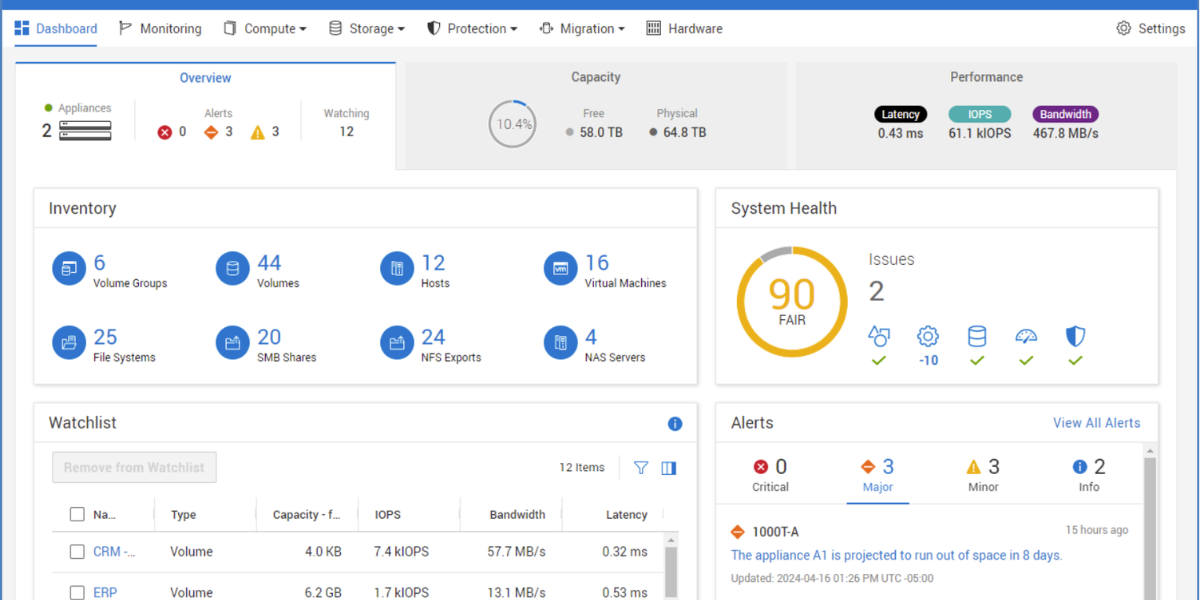
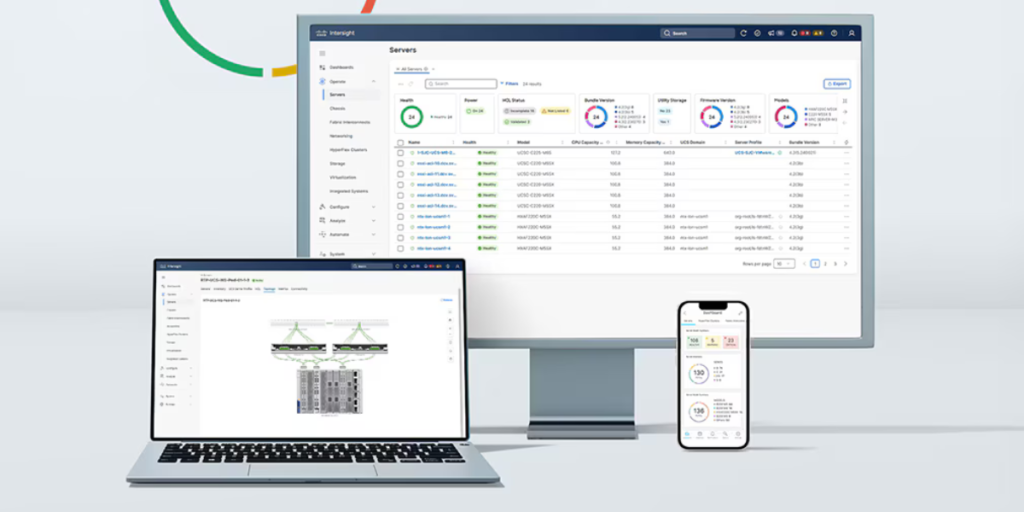
Designed to simplify infrastructure administration, improve operational efficiency and provide centralised visibility across enterprise compute environments.
Designed for: Cisco compute environments that need centralised lifecycle management, server configuration, policy control and automation across data centre, edge and hybrid infrastructure.
Management Platforms
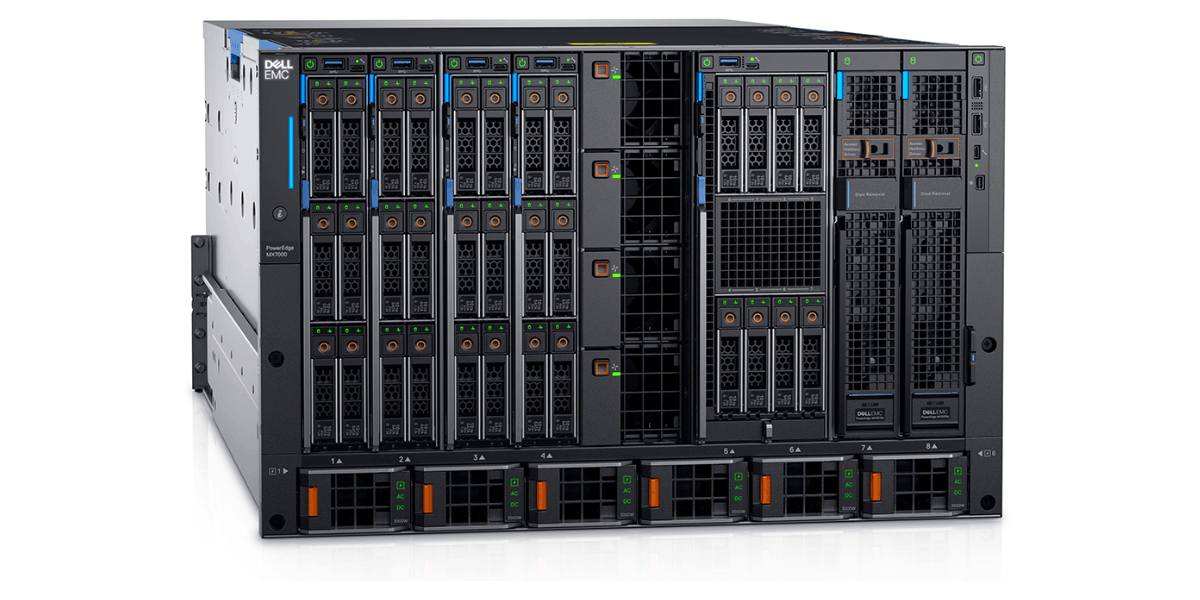
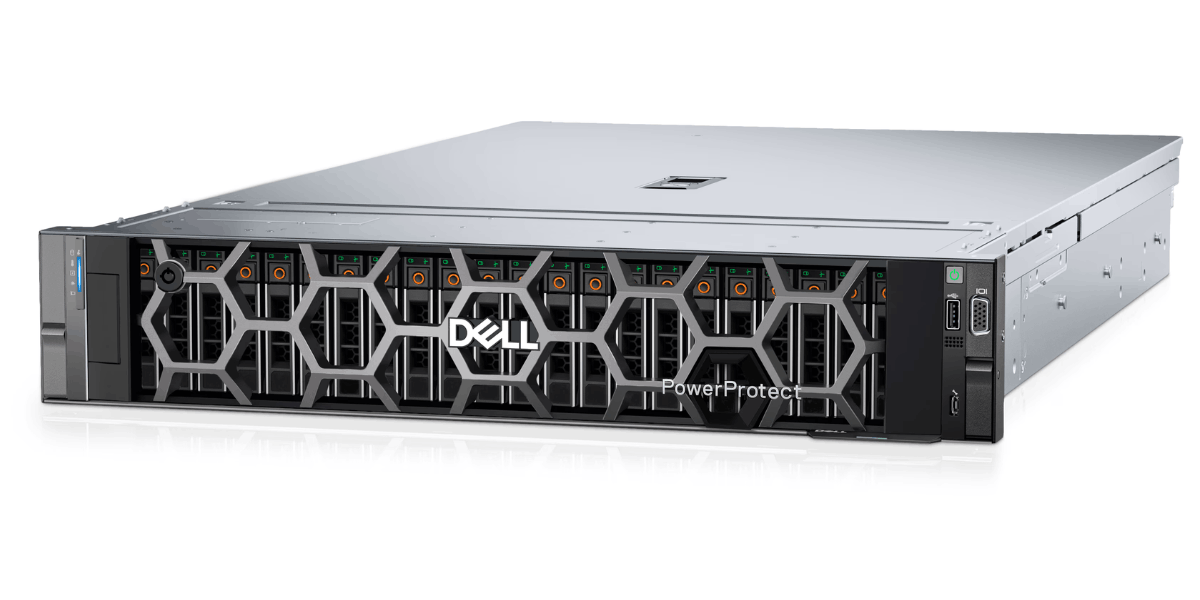
Designed for: Dell PowerEdge environments that need centralised server health, inventory, configuration, compliance and firmware lifecycle management across distributed estates.
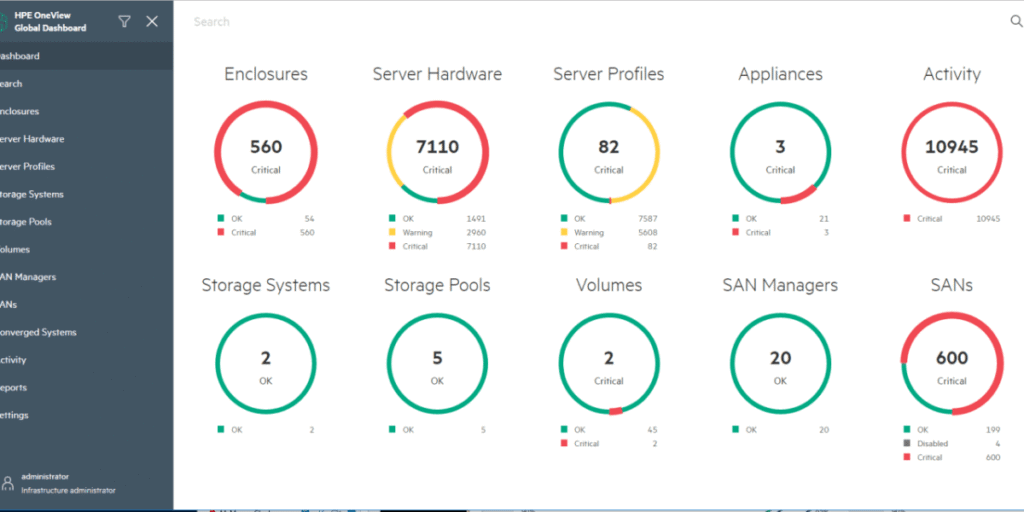
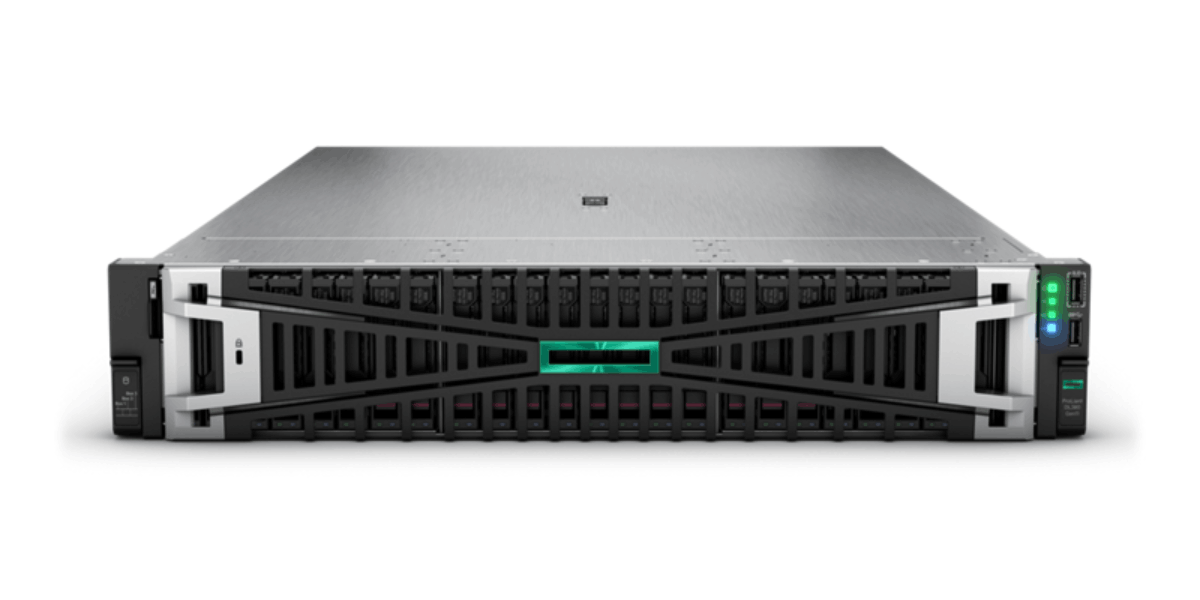
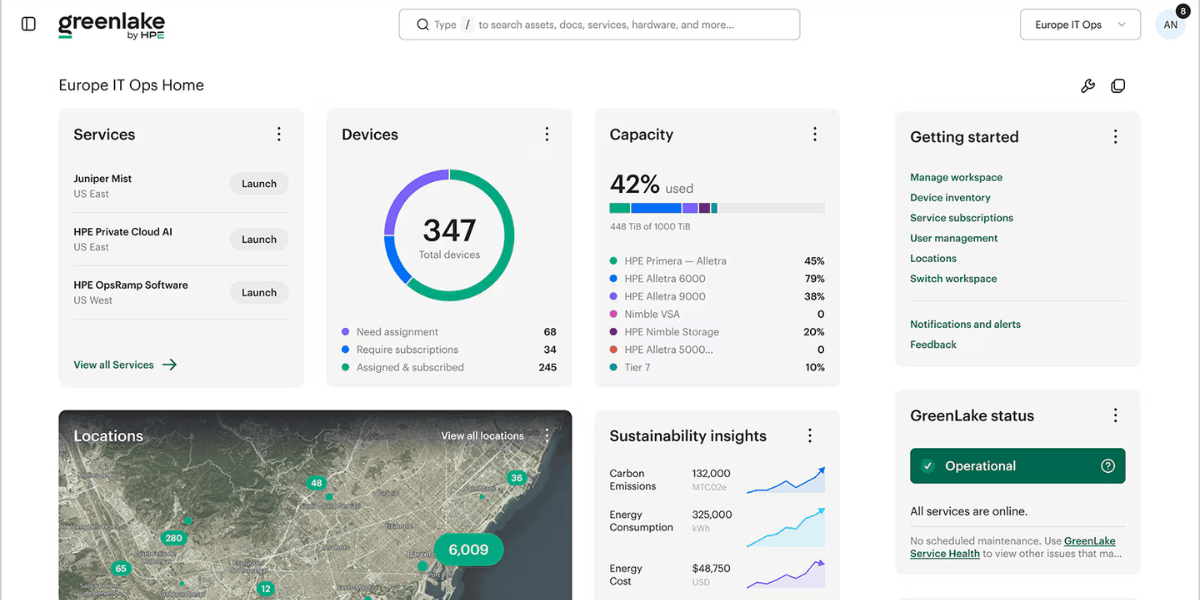
Designed for: HPE infrastructure environments that need software-defined lifecycle management alongside predictive monitoring, health visibility and proactive operational insight.
Explore Infrastructure Management Solutions
Compare enterprise infrastructure management platforms designed to simplify operations, improve visibility and optimise infrastructure lifecycle management.
Infrastructure Observability
Modern IT environments require continuous visibility across networks, applications and infrastructure to proactively identify issues, improve user experience and maintain business continuity. Infrastructure observability platforms provide actionable insights that help IT teams monitor performance, troubleshoot problems and optimise operations.
Traditional Monitoring vs Infrastructure Observability
| Traditional Monitoring | Infrastructure Observability |
|---|---|
| Visibility: Focuses primarily on device status and individual infrastructure components | Visibility: Provides end-to-end visibility across networks, applications and infrastructure |
| Issue Detection: Typically identifies faults after performance or availability issues occur | Issue Detection: Uses telemetry, analytics and correlation to identify issues proactively |
| Operations: Relies on separate monitoring tools across different infrastructure domains | Operations: Brings operational data together to provide more unified insights across the environment |
| Performance: Provides limited insight into the wider impact of infrastructure performance | Performance: Extends visibility into application performance and end-user digital experience |
Infrastructure Observability Platforms
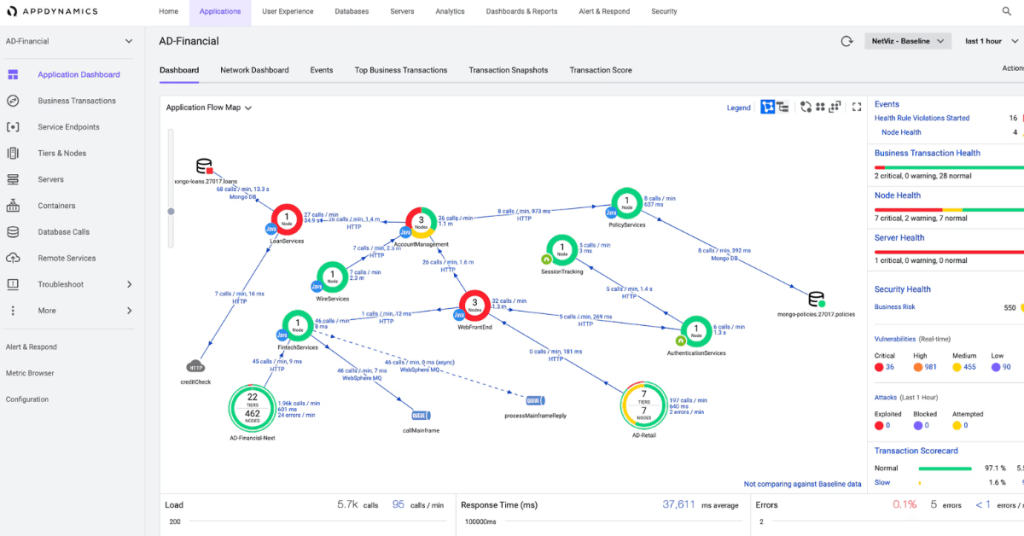
Designed to provide comprehensive visibility across enterprise infrastructure, helping organisations identify performance issues, optimise operations and improve user experience.
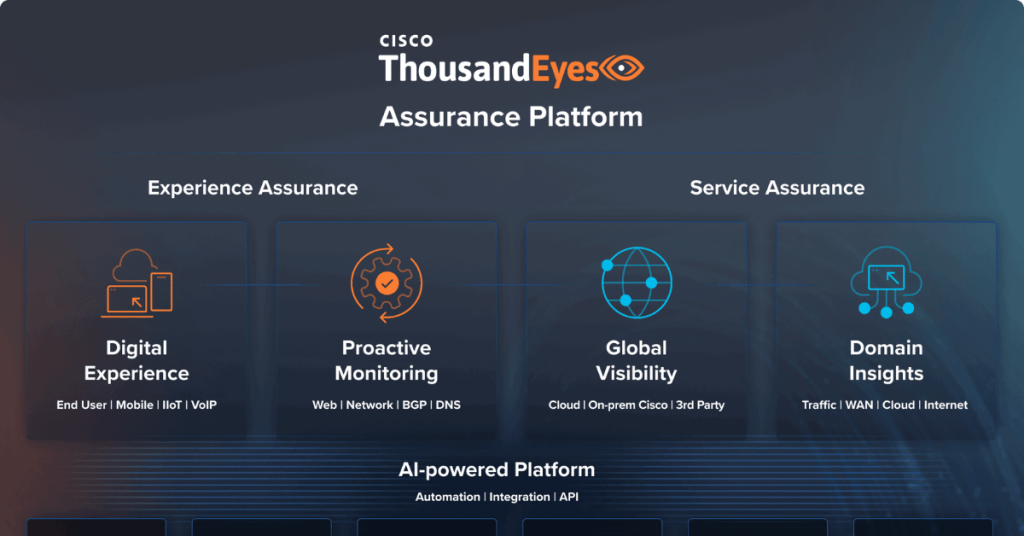
Designed for: Enterprise teams that need end-to-end visibility across network paths, applications, cloud services and user experience to identify performance issues and accelerate troubleshooting.
Observability Platforms
Explore Infrastructure Observability Solutions
Compare observability, application performance and digital experience monitoring platforms designed to improve infrastructure performance and operational visibility.
Infrastructure Automation
Modern management platforms increasingly combine automation, orchestration and AI-driven operations to reduce manual administration and improve operational efficiency.
Traditional IT Operations vs Modern Enterprise Management
| Traditional IT Operations | Modern Enterprise Management |
|---|---|
| Management: Relies on multiple management tools across different infrastructure platforms | Management: Uses unified management platforms to bring infrastructure operations together |
| Administration: Requires manual administration and repeated operational tasks | Administration: Uses automation and orchestration to streamline routine infrastructure operations |
| Visibility: Provides limited operational visibility across infrastructure environments | Visibility: Provides end-to-end visibility across infrastructure, applications and services |
| Issue Resolution: Typically relies on reactive troubleshooting after issues occur | Issue Resolution: Uses AI-assisted operations and analytics to identify and resolve issues faster |
| Operations: Infrastructure teams often work across separate operational silos | Operations: Supports more centralised operational management across infrastructure domains |
Why Infrastructure Management Matters
Modern enterprise management platforms do more than simplify administration. They help organisations improve operational efficiency, increase infrastructure visibility and automate routine management tasks, enabling IT teams to focus on delivering secure, resilient and high-performing infrastructure.
Networking Management Ecosystems
Different vendor ecosystems bring together network management, automation and visibility in different ways across campus, branch and data centre environments.
Management and observability, combined
- Control, automation & assurance in one place
- Visibility into internet paths & app performance
- Deeper insight into digital experience
One platform for wired, wireless & distributed
- Wired, wireless & distributed networks unified
- Managed from a single cloud console
- AI-assisted monitoring & assurance
Faster troubleshooting, built in
- AI-assisted operations across the network
- Intent-based automation speeds up fixes
- Greater control across enterprise & data centre
Compute Management Ecosystems
Compute management ecosystems simplify server administration, lifecycle operations and infrastructure visibility across modern enterprise environments.
Consistent policy across the estate
- Policy-based UCS administration
- Cloud-delivered monitoring
- Lifecycle management: data centre, edge & hybrid
Lifecycle control, with foresight
- Software-defined infrastructure management
- Predictive intelligence built in
- Consistent provisioning & monitoring
One console for PowerEdge
- Centralised PowerEdge health & inventory
- Configuration managed from one place
- Lifecycle administration across server estates
Where Cloud & Network Management Fits
Campus Networking Solutions
Simplify campus operations with centralised management and AI-driven insights.
Explore campus networking ›WAN & Edge Networking Solutions
Manage branch, edge and SD-WAN environments through unified platforms.
Explore WAN & edge ›Data Centre Networking Solutions
Improve visibility, automation and lifecycle management across data centre fabrics.
Explore data centre networking ›Hybrid & Private Cloud Solutions
Manage compute, storage and hybrid infrastructure from centralised platforms.
Explore hybrid & private cloud ›Network Security Solutions
Combine infrastructure visibility with secure management and policy enforcement.
Explore network security ›Industrial & OT Networking Solutions
Centralise management across industrial networks and distributed OT environments.
Explore industrial & OT networking ›Supporting You at Every Stage
Whether you’re modernising legacy infrastructure, deploying cloud-managed networking or improving operational visibility, we help organisations design, deploy and optimise enterprise management platforms that simplify day-to-day operations.
Our Cloud & Network Management services include:
- Infrastructure Architecture & Design We design scalable management platforms aligned with your infrastructure strategy, operational requirements and future growth.
- Infrastructure Deployment & Integration We implement and integrate management platforms across networking, compute, cloud and hybrid environments.
- Infrastructure Assessment & Optimisation We review performance, management processes and platform utilisation to identify opportunities to simplify operations and improve efficiency.
- Infrastructure Lifecycle & Technology Refresh We support platform evolution, software lifecycle management and infrastructure refresh planning to keep environments secure, supported and effective.
Book a Free 30-Minute Consultation Call
Get expert advice, no commitment needed. Your consultation link will be sent via email.
Cloud & Network Management Solutions — FAQs
What is Cloud & Network Management?
Cloud and network management uses centralised platforms to monitor, configure and automate networks and IT infrastructure across data centres, campuses, branches and cloud environments.
Platforms such as Aruba Central, Cisco Catalyst Center, Juniper Mist and Cisco Intersight give IT teams greater visibility and control while reducing manual management across distributed infrastructure.
Why is Cloud & Network Management important?
Cloud and network management makes complex IT environments easier to operate by improving visibility, simplifying administration and automating repetitive infrastructure tasks.
Instead of managing individual devices and systems separately, IT teams can monitor performance, apply changes and identify problems through centralised platforms. This becomes increasingly important as infrastructure expands across data centres, campuses, branches and cloud environments.
What is the difference between Network Management and Infrastructure Management?
Network management controls connectivity and network devices, while infrastructure management focuses on servers, compute platforms and the wider systems supporting enterprise workloads.
Aruba Central, Cisco Catalyst Center, Nexus Dashboard, Juniper Mist and Apstra manage network environments. Cisco Intersight, UCS Manager, Dell OpenManage Enterprise and HPE OneView focus more directly on compute and infrastructure management.
What is Infrastructure Observability?
Infrastructure observability shows how networks, applications and supporting systems are actually performing, helping IT teams identify where problems originate and what they affect.
Cisco ThousandEyes provides visibility across networks, services and user experiences, while AppDynamics monitors application performance and dependencies. Together, observability tools help teams move beyond basic device monitoring and troubleshoot problems across the wider technology stack.
How does Infrastructure Automation improve IT operations?
Infrastructure automation reduces manual work by automating tasks such as provisioning, configuration, policy changes, monitoring and lifecycle management across enterprise infrastructure.
Platforms such as Cisco Catalyst Center, Juniper Apstra and Cisco Intersight automate different parts of network and infrastructure operations, helping teams make changes more consistently, manage larger environments and spend less time on repetitive administration.
Which Cloud & Network Management platform is right for my organisation?
The right management platform depends primarily on what infrastructure you operate, which vendors you use and whether you need management, automation, observability or all three.
Aruba Central, Catalyst Center and Mist suit campus and distributed networking; Nexus Dashboard and Apstra address data centre networks; Intersight, OpenManage and OneView manage server infrastructure; ThousandEyes and AppDynamics provide deeper observability. Book a consultation with our specialists to help you identify the right platform.
Can Cloud & Network Management support hybrid and multi-site environments?
Yes, many modern management platforms are designed to provide centralised visibility and control across infrastructure distributed between data centres, branches, campuses and cloud environments.
The right approach depends on your vendors and estate: some platforms manage specific network or server environments, while others extend management across multiple locations and infrastructure types. Book a consultation to discuss how to centralise management across your environment.