



























Green Networking: How Energy-Efficient Networks Can Drive Business Growth
As we reach the final quarter of 2024, it’s time for businesses worldwide to prepare for the sustainability challenges of 2025 and beyond. The demand for sustainable technology is skyrocketing, and one area in particular gaining significant attention is Green Networking. In simple terms, Green Networking refers to the practice of designing, deploying, and managing IT networks with energy efficiency and minimal environmental impact in mind. Not only is it an environmentally responsible approach, but it also delivers tangible benefits to businesses – saving costs, optimising performance, and driving long-term growth.

What is Green Networking?
Green Networking involves using hardware, software, and practices that reduce energy consumption, cut carbon emissions, and lower operational costs. These eco-friendly networks rely on energy-efficient technologies and intelligent systems that help organizations maintain high performance while using less power. In the face of climate change and growing regulatory pressures to adopt greener practices, businesses are now looking for ways to integrate sustainable technology solutions.
As we approach 2025, sustainability will be a key competitive differentiator, especially for businesses aiming to meet corporate social responsibility (CSR) goals or adhere to environmental regulations. Sustainable networking solutions contribute to a company’s reputation, making it a preferred partner for environmentally conscious clients and stakeholders.
How Green Networking Can Reduce CO2 Emissions
Green Networking can play a pivotal role in reducing global CO2 emissions. According to the Global e-Sustainability Initiative, the adoption of energy-efficient IT solutions, including Green Networking, could reduce global greenhouse gas emissions by up to 15% by 2030. Furthermore, energy consumption by networking equipment accounts for up to 10% of an organisation’s total energy usage. By implementing energy-efficient switches and routers, companies can lower this figure significantly.
For instance, Energy Efficient Ethernet (EEE), a key component of Green Networking, reduces power consumption in periods of low data activity by adjusting link speeds dynamically. Studies have shown that this can reduce network energy consumption by up to 30%. Additionally, intelligent power management systems can further optimise energy use by turning off inactive components, ultimately lowering the total carbon footprint of a business.

Benefits of Green Networking for Business Growth
Cost Savings
Increased Operational Efficiency
Corporate Sustainability and Branding
Regulatory Compliance
Competitive Advantage
Energy-efficient networks reduce electricity costs by consuming less power. For organisations running large data centres or networks, this can lead to substantial savings in energy bills over time.
Green Networking technologies offer advanced monitoring and management capabilities, allowing businesses to optimise their network performance while consuming less power.
Adopting eco-friendly technology can enhance a company’s brand, positioning it as a responsible, forward-thinking organisation that prioritizes sustainability. .
Governments worldwide are tightening regulations around energy consumption and carbon emissions. Green Networking ensures compliance with these standards, helping companies avoid penalties.
Green Networking can serve as a differentiator in competitive industries, attracting clients who prioritise sustainability and prefer working with environmentally responsible partners.
Cisco Catalyst 9000 Series Switches: Leading the Way in Green Networking
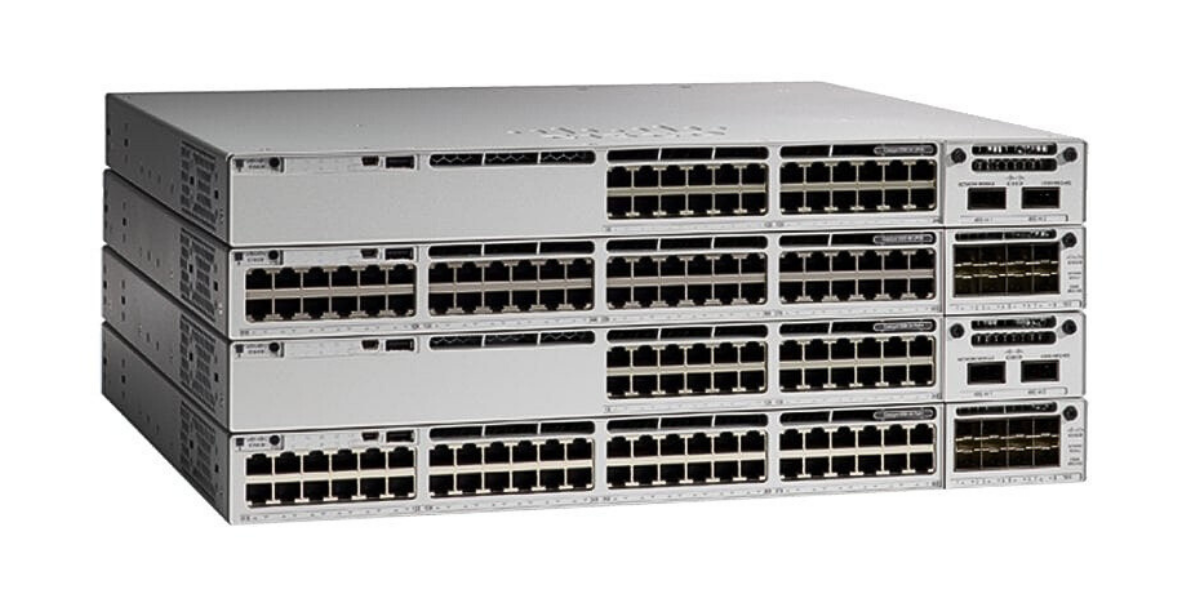
When it comes to sustainable networking solutions, Cisco is at the forefront. Their Catalyst 9000 Series Switches are built with energy efficiency in mind, making them ideal for businesses looking to adopt Green Networking practices. These switches feature technologies like Energy Efficient Ethernet (EEE) and intelligent power management systems that minimize energy use without compromising performance.
Intelligent power management enables the switches to automatically turn off unused ports or devices, further reducing energy waste. This feature is especially beneficial for businesses with fluctuating network demands.
To help businesses transition to Green Networking, Steel City Consulting are offering an exclusive promotion on Cisco Catalyst 9300 Switches, one of the most energy-efficient models in the Catalyst 9000 Series.
With the Cisco Catalyst 9300 Switches, you can enjoy:
- Enhanced energy efficiency with EEE and advanced power management features.
- Lower operating costs by reducing energy consumption.
- Seamless integration with modern cloud architectures and IoT environments.
- High performance, scalability, and security – ensuring your business stays competitive and sustainable.
Browse our Cisco Range here: Shop – Steel City Consulting
Or get in touch with our sales team today: Contact Us – Steel City Consulting

Time to Introduce Green Networking?
As the world moves closer to 2025, the need for sustainable practices, especially in technology, has never been greater. Green Networking offers businesses a clear path to reducing their environmental impact while improving their bottom line. By adopting energy-efficient technologies like Cisco’s Catalyst 9000 Series Switches, companies can cut costs, enhance network performance, and contribute to a cleaner, greener planet.
Take the first step toward a more sustainable future with Steel City Consulting today. Explore our Cisco Catalyst 9300 Switch promotion, along with our 1000’s of sustainable technology options and start building an energy-efficient network that drives your business growth.
Speak to us today, our team are more than happy to help you find what’s right for you – Contact Us – Steel City Consulting