















Data Centre Solutions Designed to Solve Modern IT Challenges
Delivering high performance, resilience, security and scalability across your data centre estate.
The Problem with Traditional Data Centre Networks
Modern data centres are expected to do far more than connect servers and storage. They now underpin cloud services, analytics, AI workloads, and business-critical applications. However, many existing network architectures were never designed to handle today’s levels of scale, speed, or complexity.
As a result, organisations face a consistent set of challenges:
- Uncertainty around the right level of performance and investment, particularly when choosing between 10GbE, 25GbE, and 100GbE.
- Application slowdowns caused by network bottlenecks that are difficult to identify and resolve.
- Architectural decisions between traditional designs and modern approaches such as spine-leaf, VXLAN, and EVPN.
- Increasing operational overhead as environments become more virtualised, distributed, and hybrid.
- Complexity when selecting between leading data centre switching platforms and vendors.
- Uncertainty around future-proofing investments as networking technologies continue to evolve.
These challenges directly impact performance, user experience, and the ability to scale.
Modern data centre networking solutions address this through flexible design, high-performance switching, and intelligent automation—enabling infrastructure built for both current and future demands.
Common Data Centre Challenges — And How We Solve Them
Here are some of the most common data centre challenges we help organisations overcome:
Scaling Networks Without Costly Redesigns
Challenge
Networks that "work" today but can't scale without major redesign, disruption, or reinvestment.
Solution
- We design scalable architectures using spine-leaf and EVPN-VXLAN where appropriate—ensuring your network can grow with demand without constant rework.
Performance Bottlenecks Impacting Applications
Challenge
Storage and compute perform well, but applications remain slow due to hidden network constraints.
Solution
- We identify and remove bottlenecks through better traffic design, right-sized port speeds (10/25/100GbE), and optimised east-west traffic flow.
Complex, Hard-to-Manage Architectures
Challenge
Over-engineered environments that are difficult to manage, troubleshoot, and scale.
Solution
- We simplify your architecture using modern, proven designs—reducing operational overhead while improving visibility and control.
Multi-Vendor Complexity and Poor Visibility
Challenge
Mixed environments with Cisco, Juniper, HPE, or Arista create inconsistency, limited visibility, and operational risk.
Solution
- We help you standardise, integrate, or rationalise vendors—improving visibility, simplifying management, and aligning technology to your requirements.
Preparing Networks for AI Workloads
Challenge
Traditional networks lack the bandwidth, low latency and scalability required to support AI and HPC workloads.
Solution
- We design high-throughput, low-latency fabrics using 25/100/400GbE, spine-leaf architecture, telemetry, and workload-aware segmentation to support AI, GPU and HPC traffic.
From architecture and design to implementation and optimisation, we deliver data centre networking solutions that improve performance, simplify operations, and prepare your business for what’s next.
A Structured Approach to Modern Data Centre Networking
Every data centre network is built in layers. The decisions made at each stage determine performance, scalability, and how easily the environment can evolve.
We work with leading vendors to design and deliver solutions across each layer—ensuring the right technology is selected for your requirements.
Switching infrastructure
The physical foundation everything depends on.
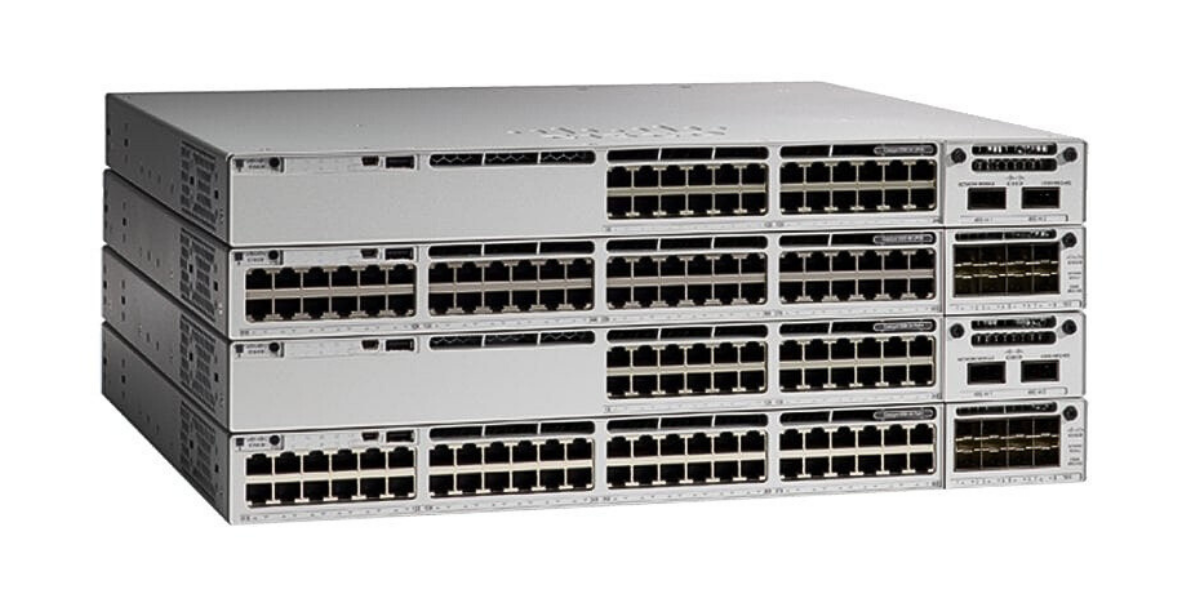
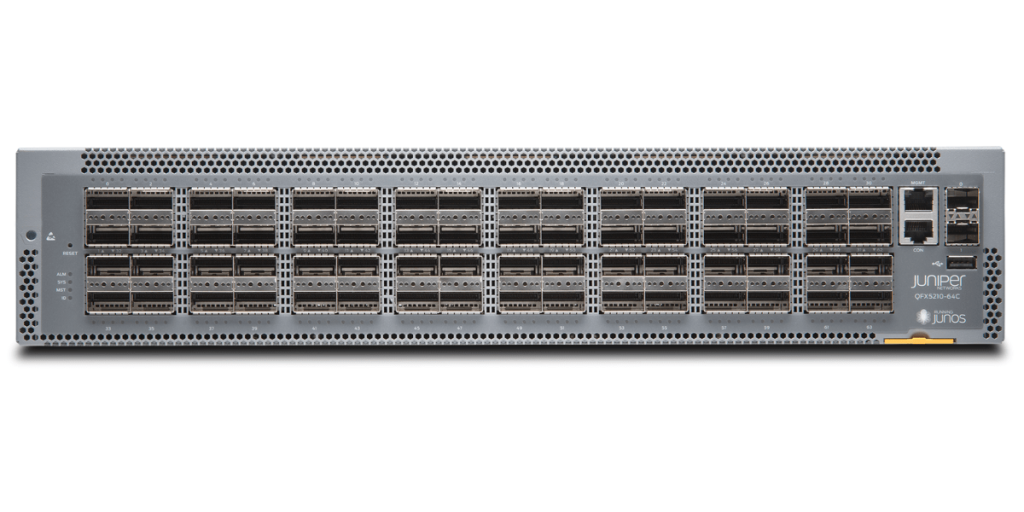
We work with platforms including Cisco Nexus, Hewlett Packard Enterprise Aruba CX, and Juniper Networks QFX to deliver high-performance, scalable switching built for modern east-west traffic.
Designed for: Data centres that need a well-established switching platform with broad adoption, familiar skills availability, mature management options, and comprehensive support.

Designed for: Integrated visibility, straightforward programmability, simplified operations, strong performance, and practical management across leaner network teams.
Designed for: Technically advanced data centres with strong routing, IP fabric, service provider, or cloud-style requirements, where skilled teams want deeper control over the network.
Designed for: Technically skilled data centre teams operating specialised fabrics, cloud platforms, AI infrastructure, or large-scale environments with automation and east-west traffic needs.
Fabric & overlay architecture
How traffic flows, how workloads are segmented, and how the network scales.
We design fabrics using technologies such as Cisco ACI, EVPN-VXLAN with Juniper or Aruba, and open, standards-based approaches to select the right model based on your environment.
Management & Automation
How the environment is operated, monitored, and evolved.
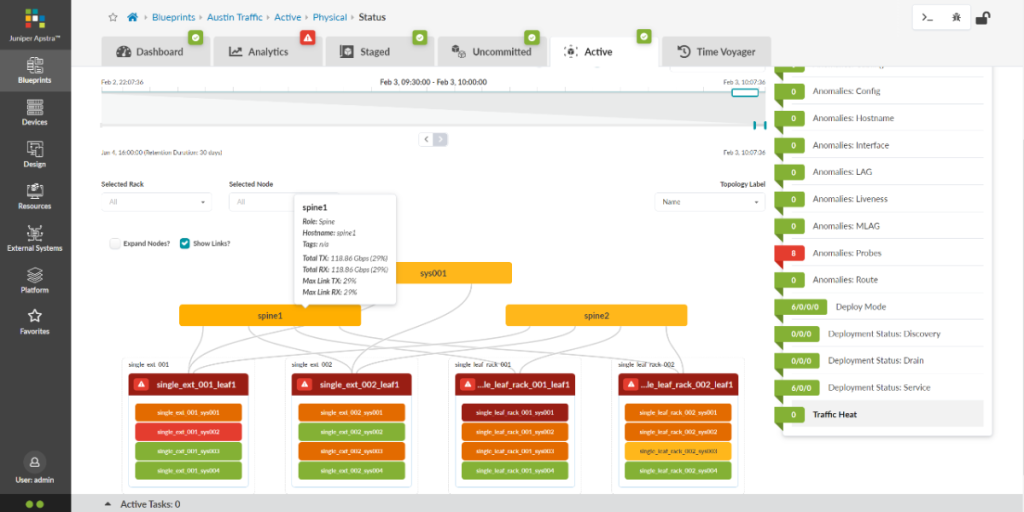
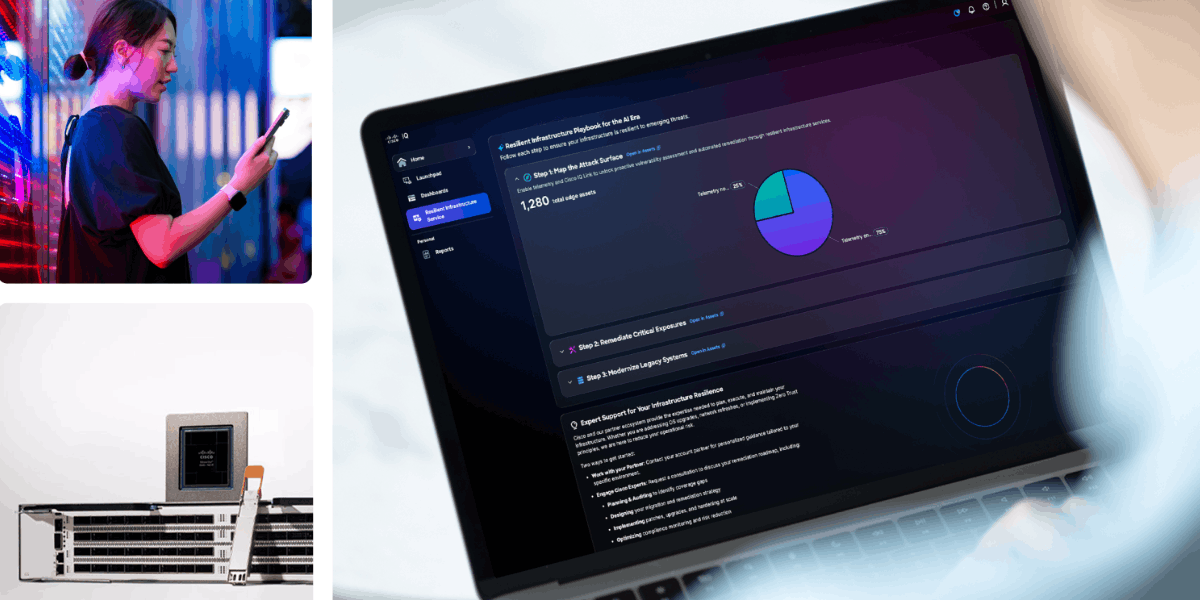
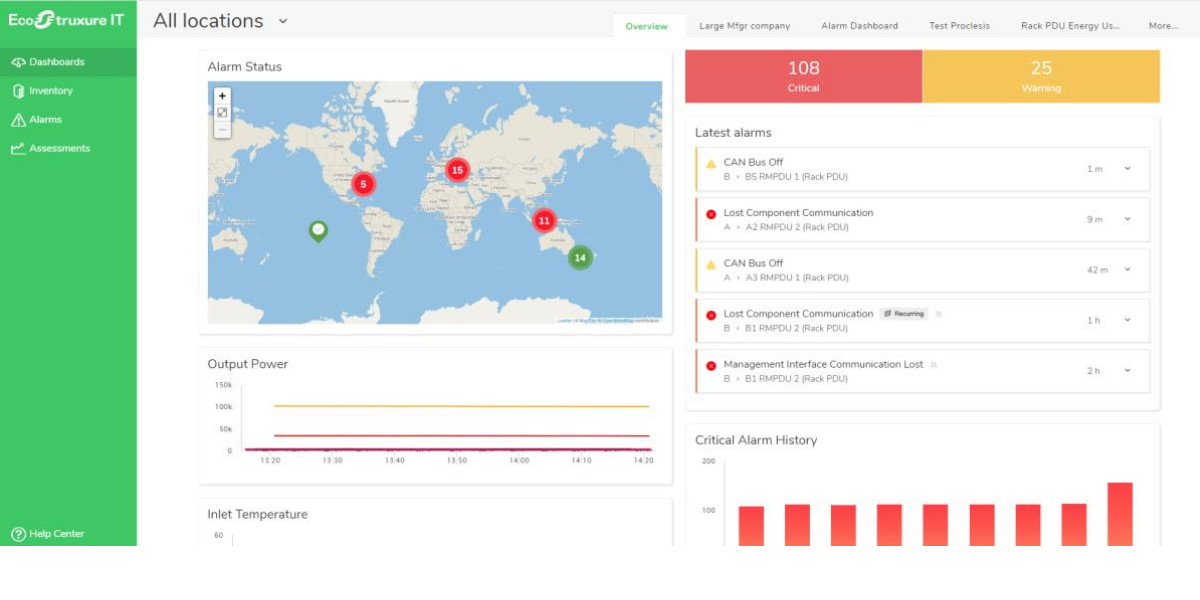
Platforms such as Cisco Nexus Dashboard and Juniper Apstra provide visibility, automation, and lifecycle management across the fabric – whether single or multi-vendor.
Nexus Dashboard
Designed for: Teams running an all-Cisco environment who want deep operational visibility without managing individual devices.
- Single view across all Cisco ACI and NX-OS fabrics
- Automatically checks the network is behaving as intended
- Tracks every change and flags problems before they cause outages
Apstra Data Centre Director
Designed for: Teams managing hardware from more than one vendor who need a single, consistent way to operate and change the network.
- Manages Juniper, Cisco, Arista and other hardware from one place
- You describe the outcome — it configures the network to match
- Configuration changes can be rolled back across the entire network if needed
Security Across the Fabric
Choosing the Right Data Centre Platform for Your Environment
Different environments place different demands on data centre infrastructure from performance and scalability through to security and compliance. We help organisations select the right platforms based on their specific workloads, operational requirements, and long-term strategy.
Enterprise & Large-Scale Environments
Typical requirements
Scalability, integrated policy control, end-to-end visibility, and operational consistency across large environments.
Strongest option
Why
Cisco delivers an end-to-end ecosystem with integrated policy, security, and automation, making it well suited to large environments where standardisation, control, and visibility are priorities.
Common deployment scenarios
Large enterprises, including healthcare and public sector organisations, multi-site environments, regulated industries such as financial services, and organisations requiring consistent policy enforcement and visibility.
Multi-Vendor & Evolving Environments
Typical requirements
Flexibility, vendor independence, automation, and consistent management across mixed infrastructure.
Strongest option
Why
Juniper enables consistent automation and control across multi-vendor environments, with EVPN-VXLAN and intent-based networking for organisations that need flexibility without losing scalability.
Common deployment scenarios
Organisations with existing multi-vendor infrastructure, technology and SaaS providers, research and education environments, and businesses prioritising automation, flexibility, and long-term adaptability.
Cost-Optimised & Mid-Market Data Centres
Typical requirements
Reliable throughput, simpler change control, integrated visibility, and predictable scalability.
Strongest option
Why
Aruba CX combines automation, analytics, and consistent AOS-CX operations in a practical switching platform, helping teams monitor, troubleshoot, and expand the network with less complexity.
Common deployment scenarios
Mid-market organisations, retail and e-commerce businesses, manufacturing and logistics environments, and education where operational simplicity and cost efficiency are key priorities.
High-Performance & Cloud-Scale Workloads
Typical requirements
Low latency, high throughput, and predictable performance for AI, analytics, and HPC workloads.
Strongest option
Why
Arista is widely used in cloud-scale, AI, and latency-sensitive environments, with high-throughput switching, deep telemetry, and platforms built for ultra-low-latency use cases where performance is critical.
Common deployment scenarios
Hyperscale and cloud providers, financial services and trading environments, AI and research organisations, and high-performance SaaS platforms.
Get a clear recommendation for your data centre network
Unsure whether Cisco, HPE Aruba, Juniper or Arista is the right fit? Our specialists can assess your workloads, existing estate, growth plans and operational requirements, then recommend the right approach.
The Future of Data Centre Networking
Traditional data centre networks were designed to connect servers, storage and applications. Rapid AI developments have changed that model. GPU clusters generate heavy east-west traffic between compute nodes, creating demand for faster switching, lower latency and more predictable fabric performance.
As AI adoption accelerates, the network is no longer just the connectivity layer. It becomes part of the performance path for training, inference and high-performance compute.
Training and inference performance depends on fast, direct communication between accelerators. Slow interconnects mean GPUs sit idle while waiting for data, extending training times and reducing return on infrastructure investment.
AI clusters generate significantly more internal node-to-node traffic than traditional workloads. Networks built around north-south flows can become a bottleneck, limiting cluster performance and complicating capacity planning.
Packet loss has a disproportionate impact on AI workloads, stalling training jobs and reducing utilisation of expensive GPU resources. Predictable, lossless transport is needed to keep workloads running efficiently.
AI environments often grow from small pilot clusters to much larger estates within a short timeframe. Fabrics need to scale without forcing a redesign, so teams can add capacity without disrupting existing workloads.
AI infrastructure requires end-to-end monitoring and automation to identify performance issues quickly. Without it, troubleshooting becomes time-consuming and small problems can affect entire training runs.
Meeting these demands requires high-speed Ethernet, ultra-low-latency fabrics, lossless transport and AI-ready operations — the next era of data centre networking.
AI-accelerated switching platforms
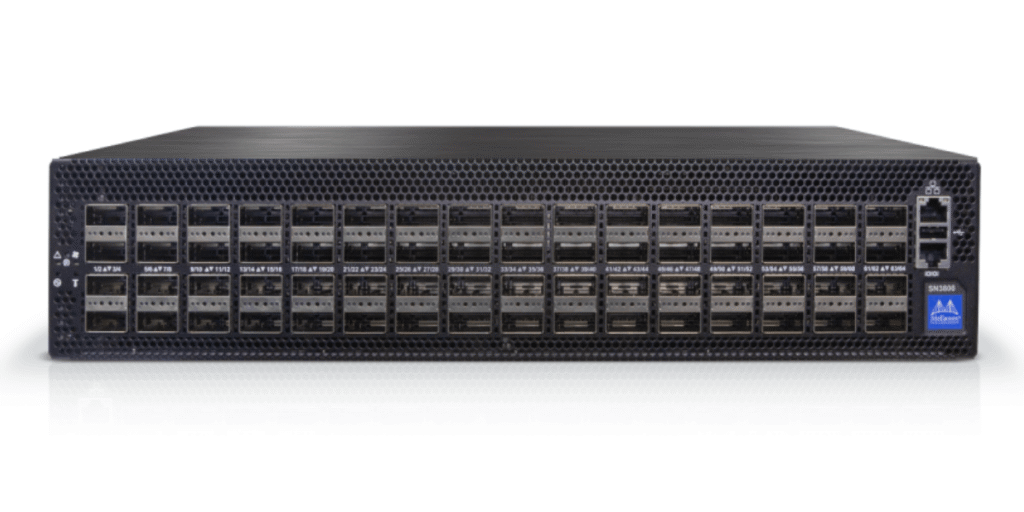
We work with high-performance platforms from NVIDIA and Arista to design, deploy and maintain the network fabric AI workloads depend on — from the switching and transport layer up to the operational tooling that keeps it running.
Whether you’re building a dedicated AI cluster, scaling inference across a production estate, or adding GPU workloads to an existing data centre, we deliver networks built around the performance, scale and visibility these environments rely on.
Designed for: Enterprise AI factories, large-scale GPU clusters, and AI training or inference environments.
Strengths: Ethernet-based AI networking, optimised for NVIDIA GPU environments, and high-performance collective communications.
Designed for: HPC, research computing, and large-scale AI model training environments.
Strengths: Ultra-low latency, lossless networking, and maximum GPU performance.
Designed for: AI data centres, cloud-scale environments, and high-performance Ethernet fabrics.
Strengths: Deep telemetry, scalable leaf-spine fabrics, and AI workload optimisation.
Supporting You at Every Stage
From design and vendor selection through to deployment and long-term support, we help you build, operate, and evolve your data centre network with confidence.
- Vendor-Agnostic Recommendations We work across Cisco, HPE Aruba, Juniper, Arista and NVIDIA, recommending the right platform for your environment — whether you want to standardise on a single vendor or build a mixed estate around different capabilities.
- Network Design We design the architecture, select the right vendors and plan the solution around your workloads and environment — right-sizing the platforms so you're not paying for overpowered infrastructure or limited by underpowered hardware, with room to scale as your estate grows.
- Deployment & Integration We can handle the configuration and integration of switching, fabric and management platforms, aligning the solution with your existing policies, compatibility requirements and compliance standards.
- Support & Lifecycle Management Our specialists are available to provide ongoing support, planning and lifecycle management to maintain performance, reduce risk and keep your network evolving with the business.
Book a Free 30-Minute Consultation Call
Get expert advice, no commitment needed. Your consultation link will be sent via email.
Data Centre Networking — FAQs
How do I choose the right data centre networking platform?
Choose based on workload traffic, scale, resilience, security, automation needs, and how your team wants to operate the environment day to day.
A smaller data centre may need reliable switching with simpler management, while larger estates may need EVPN-VXLAN, fabric automation, deeper telemetry, or policy-led control. We help compare Cisco, HPE Aruba, Juniper, and Arista against the operational needs of the environment.
How do Cisco, HPE Aruba, Juniper and Arista compare for data centre networking?
Each platform suits a different operating model and network design.
Cisco Nexus is often chosen for mature enterprise data centres that need broad ecosystem support, ACI options, and strong operational tooling. HPE Aruba CX suits teams that want consistent AOS-CX operations and practical data centre switching. Juniper QFX and Apstra fit automation-led, multi-vendor, and EVPN-VXLAN environments. Arista suits high-performance, cloud-scale, AI, analytics, and low-latency networks where throughput and telemetry are priorities.
When does Cisco Nexus make more sense than other data centre switching options?
Cisco Nexus is a strong fit where the organisation wants a mature enterprise data centre platform with clear paths for policy, automation, and operational visibility.
It is often suited to environments already standardised on Cisco, teams considering Cisco ACI, or organisations that need consistent switching across large enterprise data centres, co-location environments, and regulated infrastructure estates.
When would Juniper or Arista be the stronger choice?
Juniper and Arista are often stronger fits when the requirement is automation-led operation, high-performance fabric design, or more flexible cloud-scale networking.
Juniper QFX with Apstra suits teams that want intent-based operations and multi-vendor fabric control. Arista suits environments where low latency, high throughput, programmability, and detailed telemetry are important, including AI, analytics, HPC, SaaS, and cloud-scale platforms.
Where does HPE Aruba CX fit in a data centre network?
HPE Aruba CX fits organisations that need reliable data centre switching without unnecessary operational complexity.
It is a practical option for mid-market data centres, distributed organisations, education, manufacturing, retail, and environments where consistent switching, simpler troubleshooting, and manageable growth are more important than building a highly specialised fabric.
When does EVPN-VXLAN become important in a data centre network?
EVPN-VXLAN becomes important when the network needs scalable segmentation, workload mobility, and consistent connectivity across a larger data centre fabric.
It is commonly considered when traditional VLAN-based designs become difficult to scale, when applications need more flexible east-west communication, or when the business needs a more structured approach to multi-rack, multi-site, or cloud-connected data centre networking.
Why isn’t perimeter security enough for modern data centre networks?
Perimeter security does not control all traffic moving between applications, servers, and systems inside the data centre.
Modern environments need internal controls as well, including segmentation, workload-level policy, east-west traffic inspection, access control, and visibility across the fabric. This helps reduce risk if one system, workload, or zone is compromised.
How do I know if my data centre network should be upgraded or redesigned?
Upgrade or redesign becomes worth considering when the current network limits performance, resilience, visibility, security, or change control.
Common signs include ageing switches, limited port capacity, slow application performance, difficult troubleshooting, weak monitoring, manual change processes, unsupported hardware, or a network design that no longer matches virtualisation, storage, AI, analytics, or hybrid cloud requirements.
Get a recommendation for your data centre network
Tell us about your environment and we’ll recommend the right switching platform, fabric approach, and management tooling for your specific requirements — with no obligation.