















Industrial & OT Networking Solutions
The Challenges of Modern Operational Networks
Industrial and operational technology environments are becoming increasingly connected as organisations modernise plants, sites, and critical infrastructure. However, many existing OT networks were never designed for today's levels of IT integration, remote connectivity, cybersecurity exposure, or the operational demands placed on modern industrial communications.
As a result, organisations face a consistent set of challenges:
- Ageing operational infrastructure built around legacy protocols and end-of-life hardware that struggles to meet current performance, security, and integration requirements.
- IT and OT convergence creating complexity as previously isolated operational networks are connected to enterprise systems, cloud platforms, and shared management tooling.
- Remote site connectivity demands as organisations link distributed plants, substations, depots, and field assets back to central operations reliably and securely.
- Cybersecurity risks rising sharply as industrial networks become more exposed to external threats, remote access pathways, and vulnerabilities in unpatched legacy devices.
- Limited visibility across operational environments, with fragmented monitoring making it difficult to identify assets, detect anomalies, and respond to issues quickly.
- Harsh operating environments requiring ruggedised, industrially-rated equipment capable of withstanding extremes of temperature, vibration, dust, and electrical interference.
- Supporting digital transformation initiatives such as automation, predictive maintenance, and data-driven operations, which depend on networks built for scale and resilience.
These challenges directly impact operational reliability, security posture, and the ability to modernise industrial environments with confidence.
Modern industrial and OT networking solutions address this through ruggedised hardware, secure segmentation between IT and OT, resilient site-to-site connectivity, and centralised visibility across operational environments.
Common Industrial & OT Networking Challenges — And How We Solve Them
Here are some of the most common challenges we help these environments to overcome:
Connecting Remote & Distributed Operations
Challenge
Plants, substations, depots and field sites often sit far from central operations, making reliable, secure connectivity difficult to deliver consistently.
Solution
- We deploy resilient site-to-site connectivity, industrial routers and SD-WAN to link remote and distributed sites back to core operations securely.
Securing Industrial Control Systems
Challenge
PLCs, SCADA systems and legacy controllers were rarely designed for today's threat landscape and can expose critical operations once connected to wider networks.
Solution
- We apply IT/OT segmentation, industrial firewalls and Zero Trust principles to protect control systems without disrupting operational processes.
Improving Operational Visibility
Challenge
Fragmented monitoring across OT environments makes it difficult to identify connected assets, detect anomalies and respond to issues before they affect operations.
Solution
- We implement OT asset discovery, centralised monitoring and network analytics so teams gain a single, accurate view of devices and traffic across operational environments.
Supporting Critical Infrastructure Resilience
Challenge
Industrial environments depend on continuous uptime, with even short outages risking safety, productivity and compliance across critical operations.
Solution
- We design resilient network architectures with redundant paths, ruggedised hardware and failover capability built to support critical operations around the clock.
Modernising Legacy OT Networks
Challenge
Ageing switches, flat network designs and unsupported hardware limit performance, complicate security and make it harder to adopt newer industrial applications.
Solution
- We refresh legacy OT networks with modern industrial switching, structured segmentation and supported platforms that give a stable foundation for future operational change.
Find the Right Solution for Your Challenge
Jump to the area most relevant to your industrial environment, from network infrastructure to edge connectivity, segmentation, and management.
Industrial Network Infrastructure
Right-sized storage for growing capacity demands, mixed workloads, and tighter infrastructure budgets.
Explore Industrial Network Infrastructure Solutions › 02Remote Operations & Edge Connectivity
Backup, disaster recovery, and cyber recovery aligned to retention and recovery targets.
Explore Edge & Remote Solutions › 03Cybersecurity & Network Segmentation
Archive and retention options that reduce primary storage pressure and support compliance needs.
Explore Cybersecurity & Segmentation Solutions › 04Operational Visibility & Network Management
Centralised management and analytics to reduce admin time and improve estate visibility.
Explore Operational & Management Solutions ›A Structured Approach to Modern Industrial & OT Networking
Every industrial network is built in layers. The decisions made at each stage determine resilience, security, and how reliably operations can run as environments evolve. We work with leading vendors to design and deliver solutions across each layer—ensuring the right technology is selected for your operational requirements.
Industrial Network Infrastructure
Industrial and OT environments demand more than standard enterprise networking. From industrial Ethernet switching and ruggedised infrastructure built for harsh conditions, to industrial wireless connectivity across plants and field assets, every layer needs to be specified for the environment it operates in.
Network segmentation contains threats between IT and OT, and high availability architectures keep critical operations running when components or links fail.
Traditional Enterprise Networking vs Industrial Networking
| Enterprise networking | Industrial networking |
|---|---|
| Office and campus environments with controlled temperature and conditions | Harsh operational environments exposed to temperature extremes, dust, and vibration |
| Standard commercial-grade networking hardware | Ruggedised, industrially-rated infrastructure built for demanding conditions |
| Business applications, productivity tools, and user services | Operational systems, industrial controllers, and connected machinery |
| Typical business uptime with planned maintenance windows | Mission-critical operations requiring continuous availability and minimal disruption |
Industrial Switching Platforms
The physical foundation everything depends on.
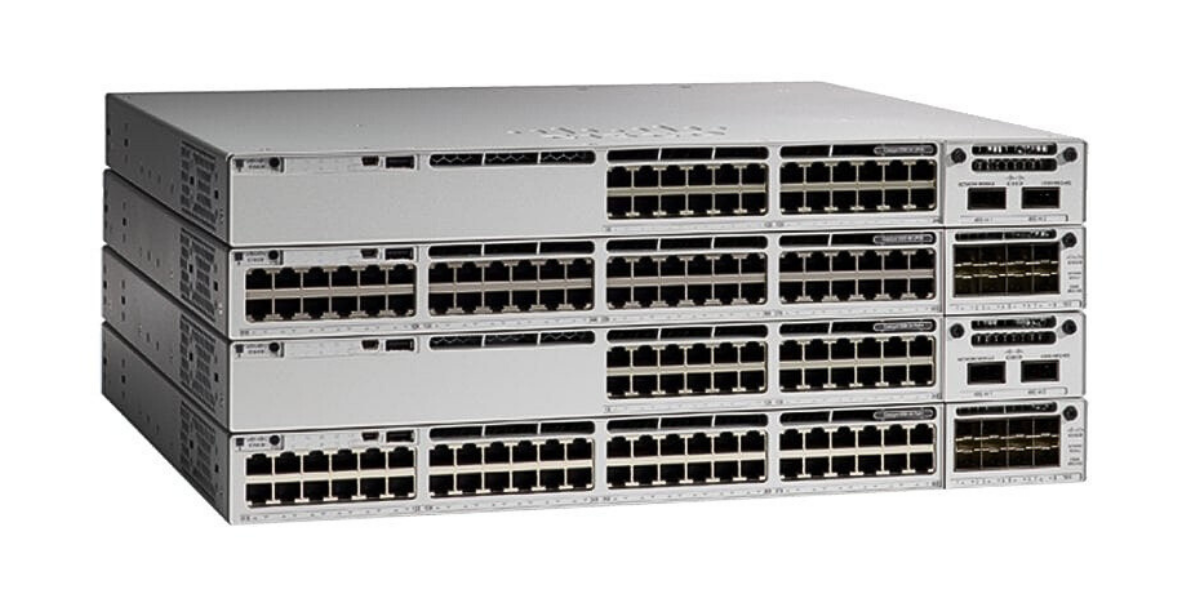
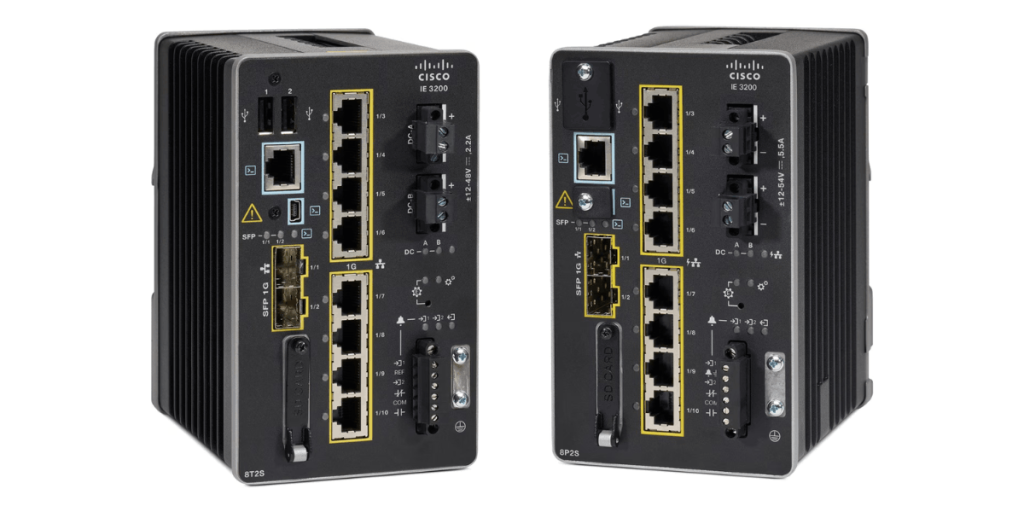
We work with ruggedised platforms from Cisco and HPE Aruba to deliver resilient switching built to withstand vibration, temperature extremes, and the conditions of real industrial sites.
Designed for: Industrial Ethernet and edge deployments where teams want consistent AOS-CX operations across enterprise and operational sites, managed from the same Aruba Central platform.
Designed for: Operational technology and critical infrastructure environments needing the depth of Cisco's industrial portfolio, embedded OT visibility, and IT/OT segmentation at scale.

Industrial Wireless Connectivity
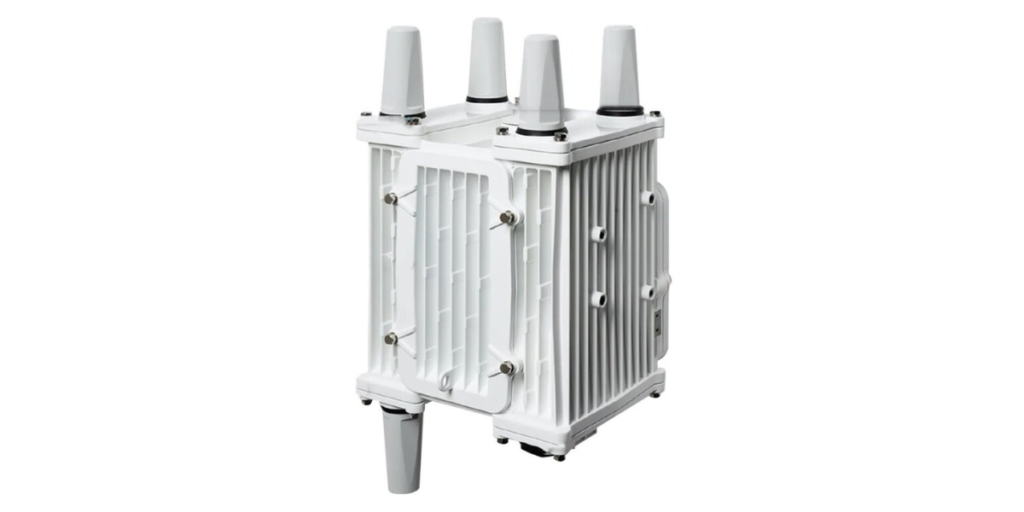
Plants, yards, depots, and field sites increasingly rely on wireless to connect moving equipment, mobile workers, and distributed assets across large outdoor areas and harsh conditions.
We help organisations build industrial wireless networks that deliver consistent coverage and performance – while standing up to interference, weather, and the demands of operational technology.
Designed for: Industrial wireless and outdoor connectivity where teams want the same Aruba Central management used across the wider estate, extended to yards, depots, and field environments.
Designed for: Integrated industrial networking environments where wireless sits alongside Cisco industrial switching and routing, with unified visibility and security across IT and OT.
Common Industrial Network Architectures
| Architecture | Best for |
|---|---|
| Plant-level networks | Manufacturing facilities, production lines, and assembly plants connecting PLCs, SCADA systems, and operational machinery |
| Distributed site networks | Utilities and energy operators linking substations, generation sites, and field assets across a wide geographic area |
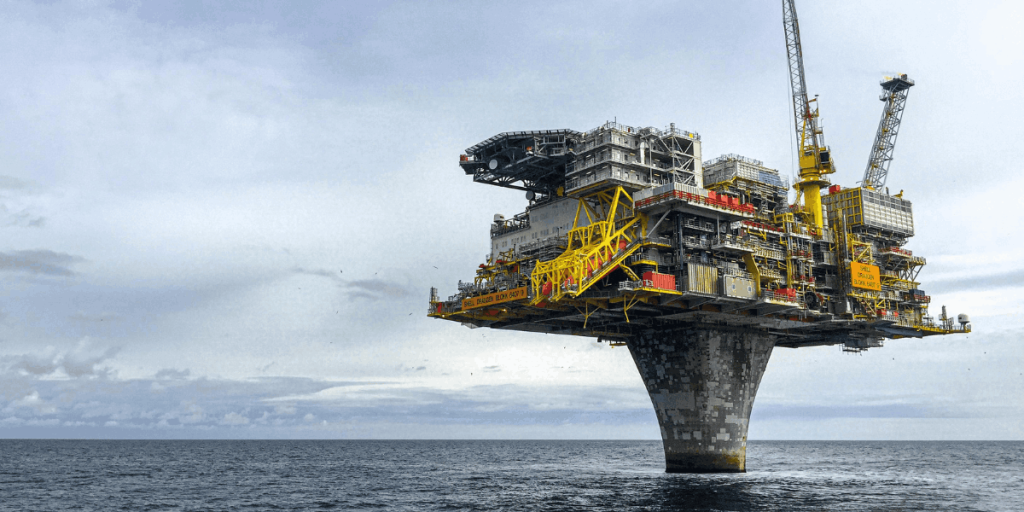
| Remote industrial sites | Oil, gas, and mining operations connecting wellheads, pipelines, and processing sites in locations with limited infrastructure |
| Critical infrastructure networks | Transportation networks, public sector facilities, and utilities where downtime carries safety or service-level consequences |
Build a ruggedised infrastructure that keeps production running
Book a short consultation with our specialists to review your operational environment, pinpoint where your current network is creating downtime risk, and define the right platform for your industrial sites.
Remote Operations & Edge Connectivity
Reliable industrial connectivity is essential to modern OT, edge, and distributed site operations.
Industrial and edge platforms help connect factories, utilities, transport networks, warehouses, yards, and remote sites with secure routing, SD-WAN, and managed connectivity.
We help organisations design, deploy, and optimise industrial routing environments built for secure site access, remote connectivity, and long-term resilience.
Find The Right Connectivity for Your Industrial Site
| Fixed connectivity | Wireless connectivity |
|---|---|
| Best for permanent facilities and fixed production lines where cable routes are established | Best for remote assets, mobile equipment, and sites where cabling is impractical |
| Maximum sustained bandwidth with predictable latency and consistent throughput | Variable bandwidth dependent on spectrum, signal conditions, and device contention |
| Traditional cabled infrastructure with structured installation and longer commissioning | Rapid deployment with minimal civil works, suited to temporary or changing layouts |
| Higher upfront investment offset by long service life and lower interference risk | Lower installation cost with ongoing spectrum planning, security, and coverage considerations |
Industrial Routing Platforms
Reliable wireless connectivity is essential to modern industrial and OT operations.
Plants, yards, depots, and field sites increasingly rely on wireless to connect moving equipment, mobile workers, and distributed assets — often across large outdoor areas and harsh conditions.
Designed for: Industrial sites and remote OT environments where rugged Cisco industrial routers need to provide secure routing, resilient connectivity, cellular options, and site-level network control.
Cisco Industrial Routing
- Cisco Industrial Routers Rugged industrial routers for remote assets, control environments, transport networks, utilities, manufacturing sites, and outdoor or harsh operational locations. View products ›
- Cisco Industrial Expansion Modules Expansion modules for Cisco industrial routers, adding interface, cellular, and site-specific connectivity options for industrial routing deployments. View products ›
Industrial Edge Infrastructure
Reliable wireless connectivity is essential to modern industrial and OT operations.
Plants, yards, depots, and field sites increasingly rely on wireless to connect moving equipment, mobile workers, and distributed assets — often across large outdoor areas and harsh conditions.
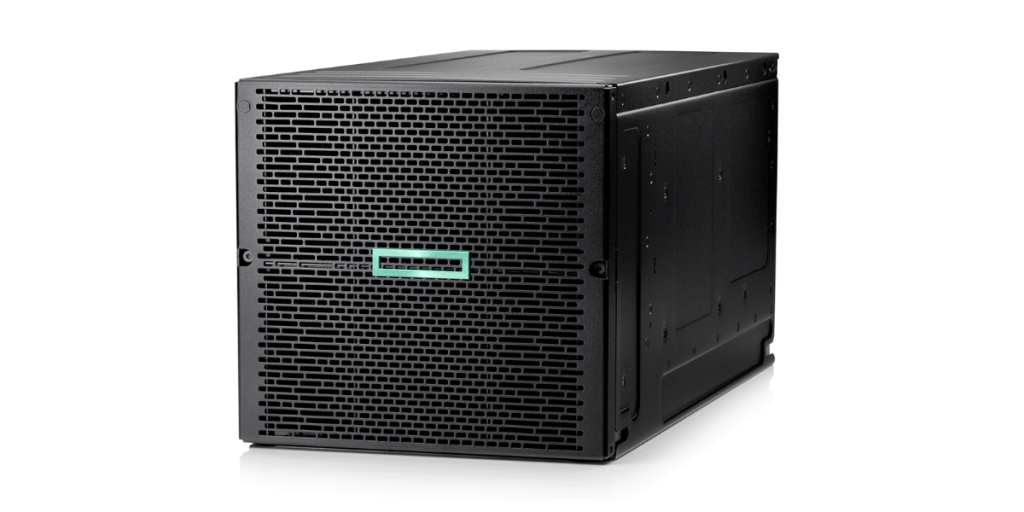
Designed for: Industrial and enterprise environments needing reliable edge compute for distributed operations, automation, and analytics close to where work happens.
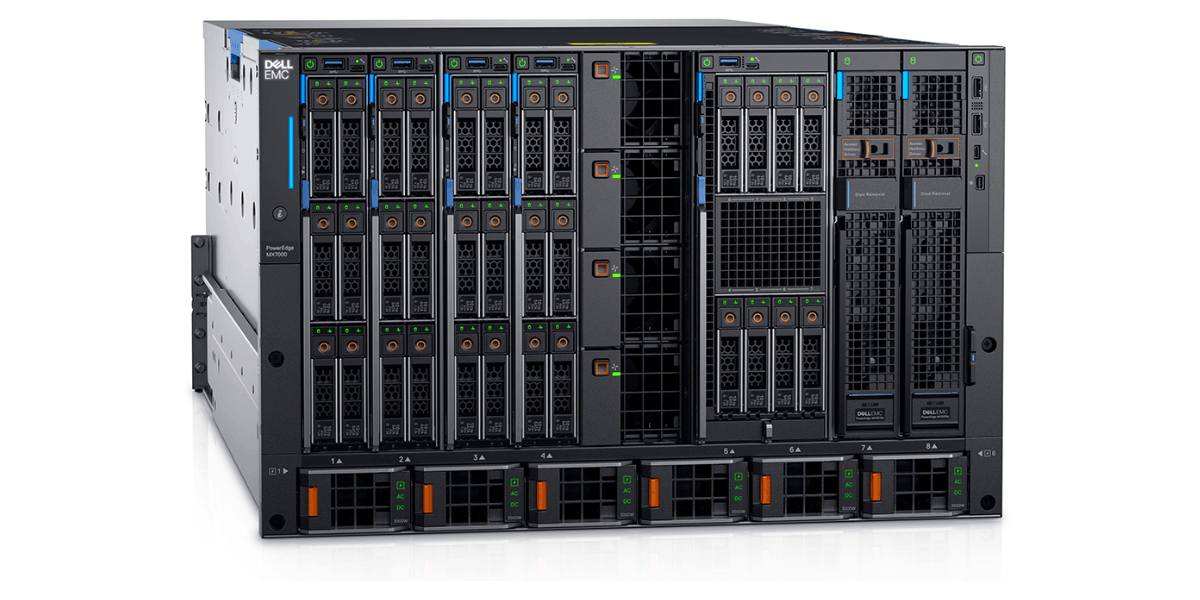
Designed for: Remote and operational sites needing compact, manageable edge compute across multiple locations.
Designed for: Cisco-led industrial environments where edge compute, networking, and security need to operate as one estate.
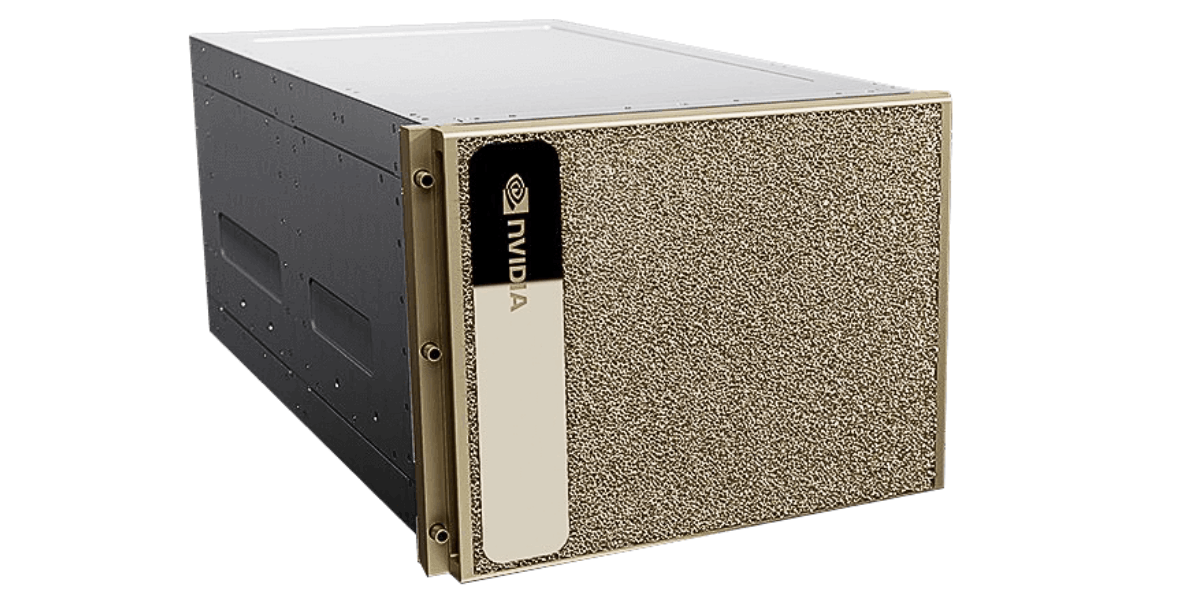
Designed for: Specialist industrial edge workloads, including AI inference, telco infrastructure, and high-performance operational compute.

Edge connectivity that holds up across every site
Book a short consultation with our specialists to review your routing, SD-WAN, and edge compute estate, identify where connectivity gaps put remote operations at risk, and define the right platform mix for your sites.
Industrial Cybersecurity & Network Segmentation
Industrial factories, utilities, transport sites, warehouses, and distributed edge environments need controlled access, clear segmentation, and resilient connectivity across OT, IT, remote users, and cloud services.
We help organisations design practical OT security architectures using industrial firewalls, network segmentation, secure remote access, and Zero Trust principles – ensuring uptime, safety, and asset protection.
Traditional vs Modern Industrial Networks
Modern industrial security moves away from flat, reactive networks and towards segmented, policy-led environments that protect critical systems while keeping operations connected.
| Traditional Industrial Networks | Modern Industrial Connectivity |
|---|---|
| Flat OT networks with limited segmentation between sites, systems, and devices | Segmented industrial environments that separate critical assets, users, applications, and traffic flows |
| Limited visibility across remote sites, operational assets, and distributed infrastructure | Centralised monitoring, policy control, and clearer visibility across industrial routing environments |
| Reactive protection when connectivity, security, or performance issues appear | Proactive risk reduction through secure routing, resilient design, SD-WAN, and managed access controls |
Design, segment, and secure your industrial network the right way
We help industrial sites move from flat, reactive networks to segmented, policy-led environments – with ongoing support to protect critical assets, maintain uptime and keep operations connected.
Operational Visibility & Network Management
We bring OT and IT environments into a single view using network monitoring, asset visibility, operational analytics, remote management and infrastructure monitoring — so teams can maintain uptime and manage distributed sites with confidence.
Reactive vs Proactive Operational Management
| Reactive | Proactive |
|---|---|
| Incidents are handled after they affect production, site connectivity, or user access, increasing disruption and pressure on internal teams. | Issues are identified earlier through monitoring and alerting, helping teams act before faults become outages or operational delays. |
| Limited operational insight makes it harder to understand device health, network performance, remote-site availability, and security exposure. | Continuous visibility gives teams a clearer view of industrial networks, helping improve uptime, planning, compliance, and service consistency. |
| Manual troubleshooting slows response times, increases engineering effort, and can extend downtime across critical operational environments. | Automated monitoring supports faster diagnosis, planned maintenance, and better resource use, reducing business impact when issues arise. |
We help industrial and distributed sites move from reactive firefighting to proactive network management — combining cloud and on-prem monitoring to improve uptime, reduce downtime and keep critical connectivity under control.
Industries We Support
Industrial and OT networking works best when it is planned as part of the wider infrastructure strategy – connecting edge sites, security, cloud management, data centre networks, and high-performance workloads into one resilient operational model.
Oil & Gas
Support remote facilities, operational technology environments, industrial automation, and resilient communications across upstream, midstream, and downstream operations.
Manufacturing & Production
Enable industrial automation, connected machinery, operational visibility, and secure plant-floor communications across modern production environments.
Utilities & Critical Infrastructure
Provide resilient and secure networking for distributed operational environments supporting essential services and critical infrastructure.
Transportation & Logistics
Support connected operations, infrastructure monitoring, and reliable communications across ports, logistics facilities, yards, and transportation networks.
Where Industrial & OT Networking Fits Within Your Wider Infrastructure Strategy
Industrial and OT networking works best when it is planned as part of the wider infrastructure strategy – connecting edge sites, security, cloud management, data centre networks, and high-performance workloads into one resilient operational model.
WAN & Edge Networking Solutions
Connect remote sites, industrial edge locations, branch networks, and operational environments with resilient routing, SD-WAN, and secure site-to-site connectivity.
Explore WAN & edge networking ›Network Security Solutions
Protect OT, industrial, and enterprise networks with segmentation, firewall controls, secure remote access, monitoring, and Zero Trust-aligned security design.
Explore network security solutions ›Cloud & Network Management Solutions
Improve visibility, policy control, monitoring, and support across distributed industrial networks using cloud-managed and centrally managed network platforms.
Explore cloud & network management ›Data Centre Networking Solutions
Align industrial edge and OT connectivity with core switching, data centre fabrics, application infrastructure, and resilient enterprise network architecture.
Explore data centre networking ›AI Infrastructure & HPC Solutions
Support industrial analytics, AI inference, simulation, automation, and high-performance workloads with infrastructure designed for demanding compute environments.
Explore AI & HPC solutions ›Choosing the Right Industrial Networking Platform
Selecting the right industrial networking platform depends on your site environment, security requirements, operational visibility needs, and existing infrastructure.
We help organisations compare Cisco, HPE Aruba, Juniper, and Fortinet options against real workloads, so the chosen platform supports uptime, resilience, and long-term manageability.
Cisco Industrial Networking
Platform focus
Industrial switching, routing, wireless and operational technology integration for resilient industrial and critical infrastructure environments.
Best fit
Suited to
- Critical infrastructure
- Manufacturing environments
- Remote operational sites
- Cisco-centric organisations
Why
Cisco is a strong fit where operational environments need industrial-grade connectivity, remote site integration and alignment with an existing Cisco networking estate.
HPE Aruba Industrial Networking
Platform focus
Industrial connectivity, edge networking and wireless infrastructure for outdoor, distributed and operationally demanding environments.
Best fit
Suited to
- Industrial wireless deployments
- Outdoor connectivity
- Edge networking environments
- Operational visibility initiatives
Why
HPE Aruba is well suited to industrial edge and wireless projects where resilient connectivity, centralised visibility and outdoor-ready networking are priorities.
Juniper Industrial Networking
Platform focus
Operational visibility, automation and distributed networking for complex environments that need stronger insight and control.
Best fit
Suited to
- Large distributed networks
- Operational visibility
- Network automation
- AI-driven operations
Why
Juniper fits environments where network teams need automation, AI-assisted operations and deeper visibility across distributed industrial or enterprise network estates.
Fortinet Industrial Security
Platform focus
Industrial segmentation, secure remote access and OT security for converged IT and operational technology environments.
Best fit
Suited to
- IT/OT convergence projects
- Operational technology security
- Secure remote operations
- Industrial network segmentation
Why
Fortinet is a strong choice where industrial environments need stronger segmentation, secure access controls and OT-focused protection across connected operational systems.
Get a clear recommendation for your industrial network
Unsure which platform is right for your industrial or OT environment? We can assess your sites, existing estate, security requirements, and growth plans, then recommend the best-fit approach for reliable, secure, and manageable operations.
Supporting You at Every Stage
From design and vendor selection through to deployment and long-term support, we help you build, operate, and protect your industrial network with confidence.
- OT Network Assessments We review your existing operational network, connected assets, remote sites, security controls, and resilience requirements. The output is a clear view of current risks, visibility gaps, performance issues, and the improvements needed to support reliable industrial operations.
- Industrial Network Design We design industrial networking architectures around your sites, OT systems, edge locations, and operational workflows. Our focus is on resilient, manageable infrastructure that supports uptime, secure connectivity, and long-term scalability.
- Security & Segmentation Planning We help plan practical segmentation between OT, IT, users, applications, and critical assets. This supports stronger access control, reduced risk exposure, and clearer separation across production, plant-floor, and distributed operational environments.
- Remote Site Connectivity We support secure connectivity for remote facilities, industrial assets, branch locations, yards, utilities, transport sites, and distributed operations. This includes routing, SD-WAN, secure access, and resilient links aligned to site-critical requirements.
- Deployment & Integration We prepare and support industrial routing, switching, wireless, firewall, and management platforms for live use. That includes configuration, integration, deployment support, and alignment with your operational, compatibility, and compliance requirements.
- Lifecycle & Technology Refresh Services We provide ongoing support, optimisation, monitoring guidance, and refresh planning to keep industrial networks secure, stable, and aligned with changing operational demands, vendor lifecycles, and future infrastructure requirements.
Book a Free 30-Minute Consultation Call
Get expert advice, no commitment needed. Your consultation link will be sent via email.
Industrial & OT Networking — FAQs
What is industrial networking?
Industrial networking is networking engineered for operational environments, where uptime, deterministic performance, and tolerance of harsh conditions matter more than standard IT priorities.
It is used in factories, utilities, transport, and logistics sites, and relies on ruggedised switches, wireless, and security platforms that support industrial protocols, long equipment lifecycles, and safety requirements. We design industrial networks around site conditions, protocols in use, and integration with existing IT systems. Book a free network assessment today.
What is the difference between IT and OT networking?
IT networking moves data between users and applications, while OT networking controls physical processes and equipment.
IT prioritises flexibility, throughput, and standard security models, with systems updated frequently. OT prioritises availability, real-time response, and industrial protocol support, with systems often running for 10 to 20 years with minimal change. The two environments also differ in risk profile and tolerance for downtime. We help align IT and OT networking so each operates correctly without compromising the other.
Why is network segmentation important in operational environments?
Network segmentation is important because it limits how far a fault, misconfiguration, or cyber incident can spread across an operational site.
By separating control systems, engineering workstations, IoT devices, and corporate traffic, segmentation reduces exposure, contains threats, and supports compliance with standards such as IEC 62443 and the NIS2 Directive. We design segmentation around process zones, conduits, and access requirements rather than applying a single flat policy.
How do I securely connect remote industrial sites?
Remote industrial sites are connected securely by combining resilient connectivity with controlled, identity-based access.
Common options include SD-WAN for link aggregation and failover, cellular or private 5G where fixed lines are limited, encrypted site-to-site VPNs, and zero trust network access for engineers and third-party vendors. The right approach depends on site location, available links, uptime requirements, and security policy. We can assess your site before recommending the right combination of connectivity and access control.
What cybersecurity risks exist within OT environments?
The main cybersecurity risks in OT environments are unpatched legacy systems, flat networks, unmanaged remote access, weak vendor controls, and limited asset visibility.
A successful attack can disrupt production, damage equipment, compromise safety, or trigger regulatory consequences under frameworks such as NIS2. Many OT systems were not designed with modern security in mind, which makes them harder to protect with standard IT tools. We help reduce risk through asset discovery, segmentation, secure remote access, and monitoring tools built for industrial protocols.
How can industrial networks support IoT and digital transformation initiatives?
Industrial networks support IoT and digital transformation by providing the reliable, secure data flow needed between sensors, machines, edge systems, and analytics or cloud platforms.
This requires capacity for large device counts, support for multiple industrial protocols, consistent security across IT and OT, and edge compute to process data close to source. Without this foundation, IoT deployments struggle to scale or deliver usable data. We design infrastructure that supports IoT scale and integration with existing operational systems without disrupting live processes.
How do I modernise ageing industrial networking infrastructure?
Ageing industrial networking infrastructure is modernised through a phased programme of audit, design, replacement, and security uplift.
The first stage audits current switches, wireless, cabling, and connected assets alongside operational and security requirements. Upgrades are then phased to protect uptime, replacing unmanaged or end-of-life hardware first and introducing segmentation, monitoring, and secure remote access as part of the new design. As certified partners for Cisco, Cisco Meraki, Juniper, and HPE Aruba, we match the right industrial platform to the environment and plan migration around production windows. Book a free consultation, with no obligation.
Get a recommendation for your industrial & OT network
Tell us about your environment and we’ll recommend the right infrastruture platforms, segmentation approach, and management tooling for your specific requirements — with no obligation.