


















Eco-Friendly IT Procurement: How to Choose Sustainable Products and Vendors
The rapid pace of technology turnover is contributing to growing e-waste, resource depletion, and rising carbon emissions. By choosing sustainable IT products and vendors, businesses can align with environmental goals, reduce costs, and improve operational efficiency. Eco-friendly IT procurement is quickly becoming an essential part of corporate sustainability strategies. Here’s how you can make better procurement decisions.

1. Understand the Environmental Impact of IT Procurement
Traditional IT procurement has significant environmental costs:
-
E-waste: Globally, we produce over 50 million tonnes of e-waste per year, with less than 20% being recycled. This waste often contains toxic substances like lead and mercury, which can harm ecosystems.
-
Resource Extraction: The production of new IT equipment requires mining and refining rare earth minerals, contributing to land degradation, water pollution, and high energy consumption.
-
Carbon Footprint: Manufacturing new devices involves significant carbon emissions from mining, transportation, and energy-intensive production processes.
Understanding these impacts helps recognise the importance of eco-friendly IT procurement.
2. Opt for Energy-Efficient Technology
Choosing energy-efficient devices is a key step. Look for products with certifications like:
- Energy Star: Ensures reduced energy consumption without sacrificing performance.
- EPEAT: Evaluates products for their environmental impact throughout the entire lifecycle.
- TCO Certified: Verifies that products meet global standards for energy efficiency and sustainability.
These certifications ensure reduced energy use and environmental impact over time.
3. Choose Remanufactured Products
Opting for refurbished IT equipment is a great way to minimise waste and extend product lifecycles:
- Cost Savings: Refurbished products cost up to 50% less than new.
- Reduced E-Waste: Buying refurbished extends equipment life, reducing the need for new production.
- Lower Carbon Footprint: Producing refurbished devices uses fewer resources and less energy.
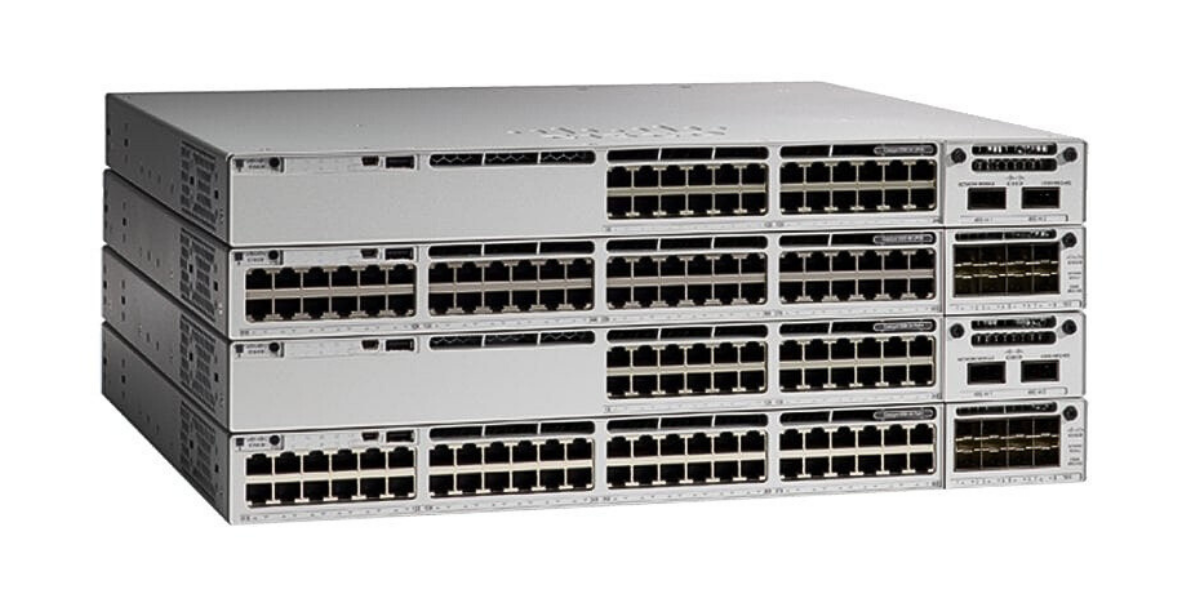
Programs from vendors like Circular Computing and Cisco’s Certified Refurbished Equipment offer high-quality, eco-friendly alternatives.

4. Partner with Vendors Committed to Sustainability
Select vendors with strong sustainability practices:
- Sustainable Manufacturing: Vendors that use renewable energy and minimize emissions.
- Circular Economy Practices: Vendors who refurbish and recycle old equipment.
- Certifications: Look for ISO 14001-certified vendors to ensure they follow environmental standards.
Sustainable vendors include HP, Lenovo, and Cisco, all leaders in eco-friendly initiatives.
5. Responsibly Recycle and Dispose of Old IT Equipment
When IT equipment reaches the end of its life, responsible disposal is essential. Ensure all ITAD:
- Follows WEEE Directives for e-waste disposal.
- Provides Secure Data Destruction to protect sensitive data.
- Recycles Responsibly to minimise environmental harm.
At Steel City Consulting, we offer ITAD services to help businesses dispose of old equipment responsibly and maximise the value of their IT investments.
Conclusion: Sustainability as a Long-Term Investment
Eco-friendly IT procurement is more than just reducing waste; it’s an investment in the future. By choosing energy-efficient, refurbished products and partnering with sustainable vendors, businesses can significantly lower their environmental impact. Learn more about sustainability with SCC.
At Steel City Consulting, we are committed to helping businesses adopt sustainable IT procurement strategies that benefit both the planet and your bottom line. Contact us today to get started.