












WAN & Edge Networking Solutions

Connect every site, user, and workload with WAN and edge networks built for performance, security, and centralised control.

The Challenge of Modern WAN & Edge Infrastructure

WAN and edge environments are being reshaped by distributed workforces, cloud-delivered applications, and branch sites that now carry production traffic once confined to the data centre. Many existing architectures were built for a hub-and-spoke world and struggle to deliver the performance, security, and visibility required across today's user, site, and application footprint.

As a result, organisations face a consistent set of challenges:

  • Supporting distributed users, sites, and applications across a footprint where traffic patterns no longer follow predictable paths back to a central data centre.
  • Increasing reliance on cloud and SaaS platforms pushing critical traffic over the internet and exposing the limits of MPLS-era routing and backhaul.
  • Modernising legacy WAN architectures with SD-WAN, SASE, and cloud-delivered security to replace rigid, hardware-bound designs that can't flex to new sites or services.
  • Security risks across branch and edge environments where reduced on-site control, IoT and OT devices, and direct internet breakout widen the attack surface.
  • Limited network visibility and operational control, with fragmented tooling making it difficult to troubleshoot user experience, enforce policy, or measure SLAs across providers.
  • Maintaining performance across distributed locations as latency-sensitive applications, video, and real-time collaboration depend on consistent quality at every site.
  • Balancing resilience, agility, and cost across dual-circuit branches, 4G/5G failover, and cloud on-ramps without overspending on links that sit idle.

These challenges directly impact user experience, security posture, and the ability to roll out new sites and cloud services with confidence.

Modern WAN and edge solutions address this through SD-WAN and SASE architectures, integrated branch security, cloud-delivered policy, application-aware routing, and centralised visibility platforms that span every site and circuit.

Common WAN & Edge Networking Challenges — And How We Solve Them

Here are some of the most common challenges we help these environments to overcome:

Optimising Cloud & SaaS Application Performance

Challenge

Backhauling cloud and SaaS traffic through central data centres adds latency, degrades user experience and puts pressure on links that were never sized for today's application mix.


Solution

  • We deploy SD-WAN with application-aware routing and local internet breakout, prioritising critical traffic and steering cloud and SaaS sessions over the best available path.

Connecting Distributed Sites & Remote Locations

Challenge

Branch offices, remote workers and edge sites need consistent, resilient connectivity, but traffic patterns and circuit availability vary widely across locations.


Solution

  • We design multi-transport WAN architectures combining MPLS, broadband and 4G/5G, with automated failover and policy-based routing to keep every site connected.

Modernising Legacy WAN Architectures

Challenge

Hub-and-spoke designs and ageing routers limit agility, slow new site rollouts and make it difficult to adopt cloud-delivered services without costly redesign.


Solution

  • We migrate legacy WANs to SD-WAN and SASE platforms, replacing rigid topologies with centrally managed, software-defined overlays that scale with the business.

Securing Branch, Edge & Remote Connectivity

Challenge

Direct internet breakout, IoT devices and remote users widen the attack surface at every site, while perimeter-based security models no longer reflect how traffic actually flows.


Solution

  • We integrate SASE, secure web gateways, ZTNA and next-gen firewalls into the WAN fabric, enforcing consistent policy for users, sites and cloud destinations.

Improving Network Visibility & Operational Control

Challenge

Fragmented tooling across circuits, vendors and clouds makes it difficult to troubleshoot user experience, measure SLAs or enforce policy consistently across the estate.


Solution

  • We deploy centralised WAN management and observability platforms that bring application performance, security events and circuit health into a single operational view.
Steel City Consulting logo
From SD-WAN and secure branch connectivity through to centralised management, application-aware routing and ongoing support, we deliver the performance and resilience modern WAN and edge environments depend on.

Find the Right Solution for Your Challenge

Jump to the area most relevant to your environment, from power resilience and distribution to cooling, monitoring, and edge infrastructure.

A Structured Approach to Modern WAN & Edge Network Infrastructure

Every WAN and edge network is built in layers. The choices made at each stage shape user experience, security posture, and how easily the estate scales as sites, applications and cloud services grow. We work with leading vendors to design and deliver solutions across each layer—matching the right platform to your requirements.

01

Enterprise Routing Platforms

Routers remain the foundation of modern WAN architectures, providing connectivity between branch locations, data centres, cloud environments and remote sites. Find the right category for your needs below.

Branch Routing Platforms

Branch routers sit at branch offices, remote worker setups, distributed sites, and edge locations, handling connectivity, security, and resilience at sites that typically don’t have on-site IT.
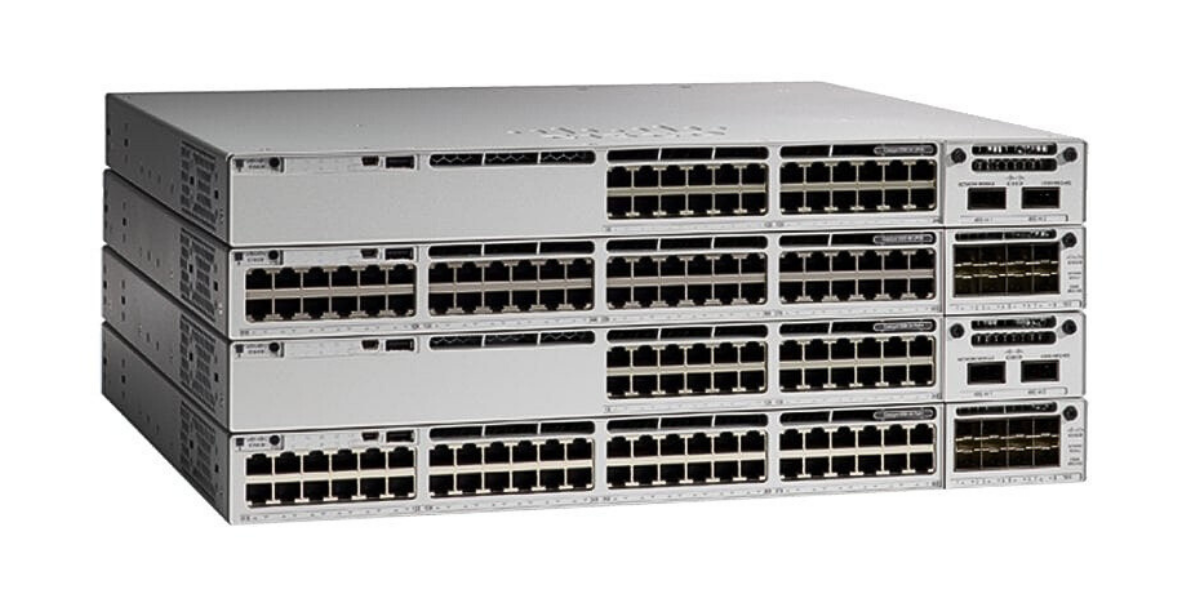
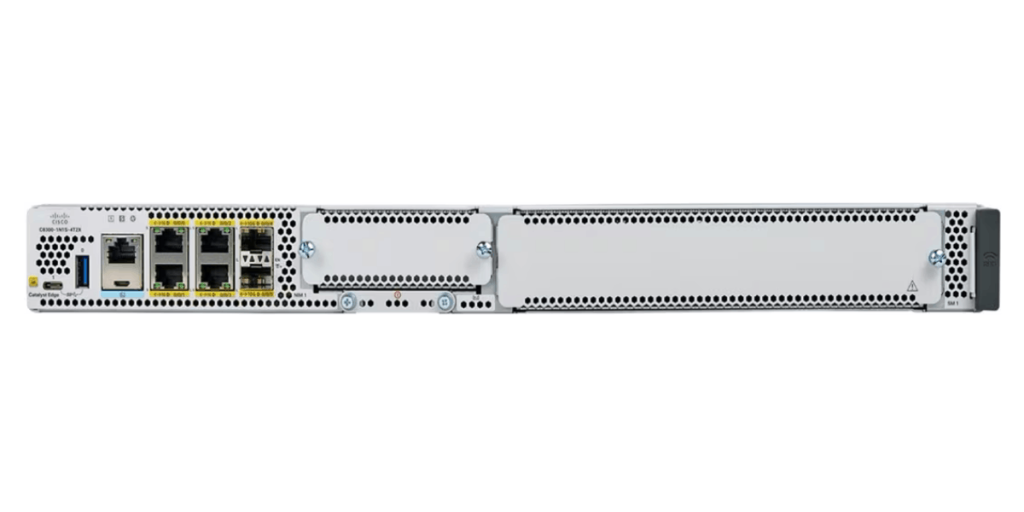
A Cisco Catalyst C8300-1N1S-4T2X enterprise router.
Branch & edge platforms
Select your vendor platform.

Designed for: Branch routing and SD-WAN deployments where teams need the depth of Cisco's policy, segmentation and IOS XE feature set.

Designed for: Lean IT teams managing distributed sites that need cloud-managed branch networking with rapid deployment and unified policy.

Designed for: Distributed sites needing secure branch connectivity and edge networking with consistent CX policy and visibility.
Core Routing Platforms

Core routers sit at the centre of the WAN, aggregating traffic from branches, data centres, and cloud edges.

They’re built for enterprise WANs, WAN aggregation, high-capacity routing, and large-scale network architectures needing high throughput and resilience.

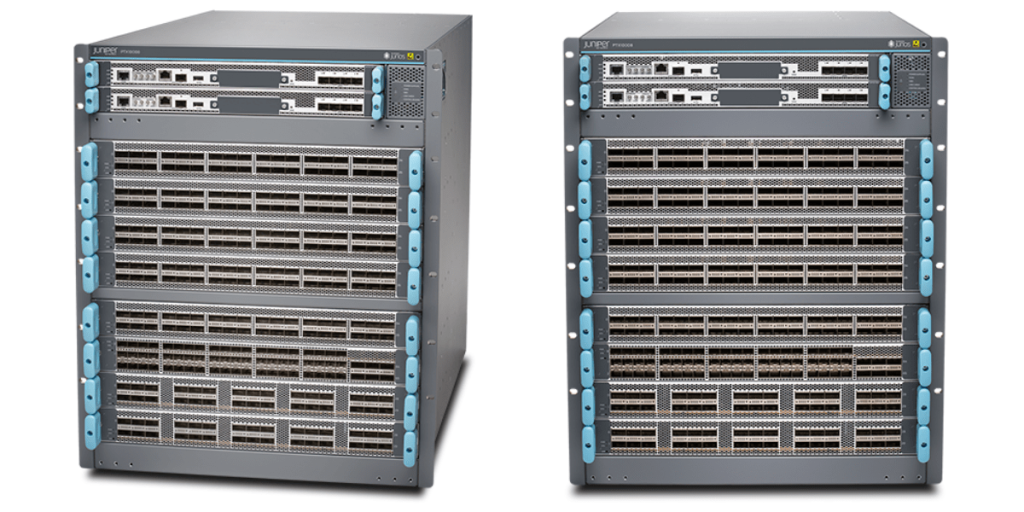
A Juniper PTX10008 model designed for enterprises and data centres.
Core routing platforms
Select your vendor platform.

Designed for: WAN aggregation and enterprise core routing where teams need IOS XE depth, integrated SD-WAN and high-throughput services.

Designed for: Enterprise WAN, large-scale routing environments and carrier-grade transport networks needing Junos consistency and high-capacity throughput.

Service Provider & Transport Routing Platforms

Service provider routers carry the traffic that everyone else’s networks depend on. Engineered for the highest end of the routing market – carrier backbones, utility grids, and metro transport – they deliver the capacity, uptime, and protocol depth these environments run on.
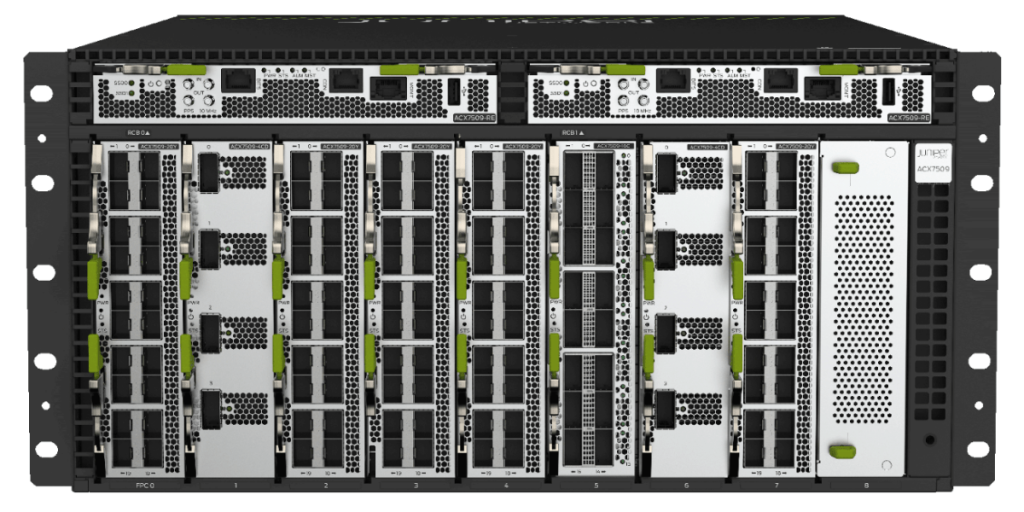
A Juniper ACX7509 model designed for enterprises and data centres.
Service provider & transport routingSelect your vendor platform.

Designed for: Metro, utility and service provider edge environments needing compact, carrier-grade routing with MPLS, segment routing and timing support across distributed sites.

02

Branch & Edge Infrastructure

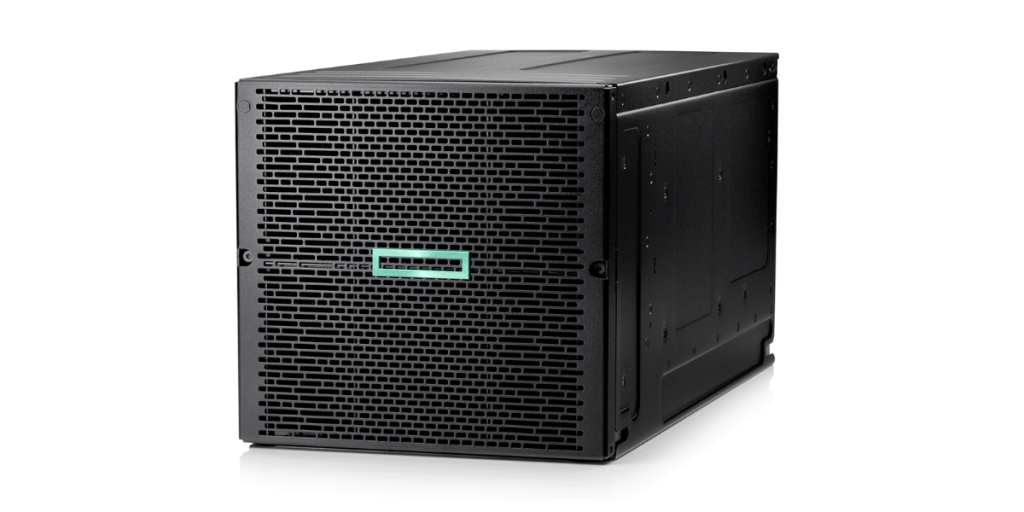
Modern WAN architectures increasingly extend beyond connectivity alone, supporting local services, distributed applications and edge computing closer to users and operational environments.

Traditional Infrastructure vs Edge Infrastructure

Edge infrastructure puts compute and applications at the site instead of routing everything back to a central data centre. The result is faster response times for users, less pressure on WAN links, and sites that keep working when the connection to the core is degraded.
Traditional Infrastructure Edge Infrastructure
Applications: Centralised applications hosted in core data centres and accessed across the WAN Applications: Local processing and services delivered at the site for faster, more resilient user experience
Workloads: Data centre dependent, with branch traffic backhauled for compute, storage, and security Workloads: Distributed workloads running closer to users, devices, and operational systems
Latency: Higher latency for cloud, SaaS, and real-time applications hosted away from the user Latency: Reduced latency through local breakout, edge caching, and application-aware routing
Compute: Centralised compute concentrated in a small number of large facilities Compute: Edge compute resources deployed across branch, remote, and operational sites

Edge Infrastructure Platforms

Edge infrastructure platforms Select your vendor platform.

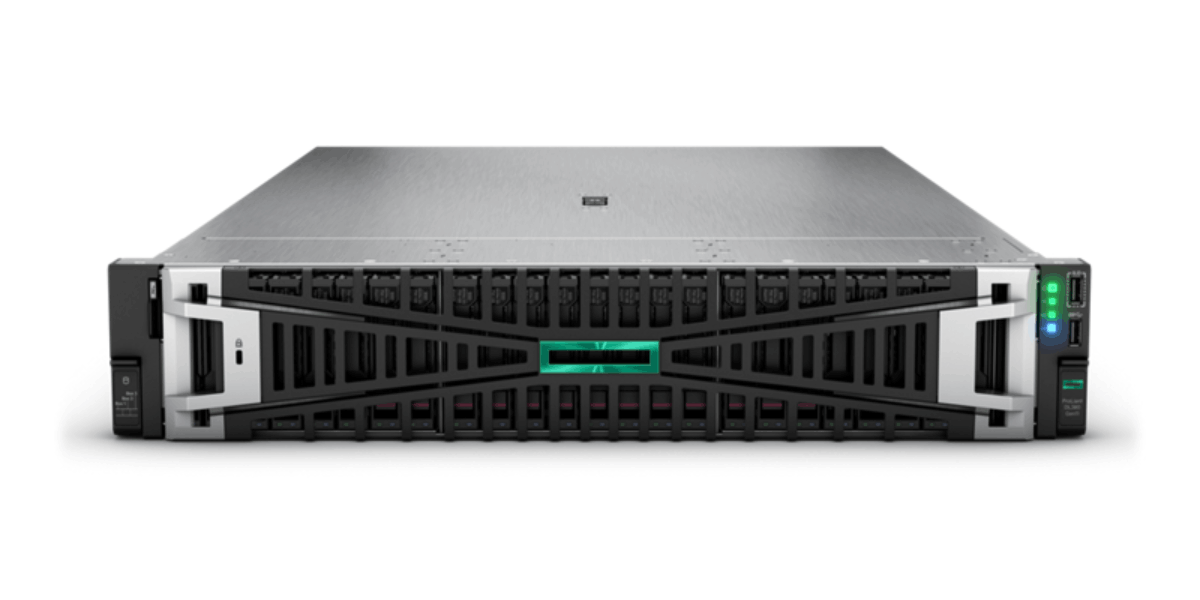
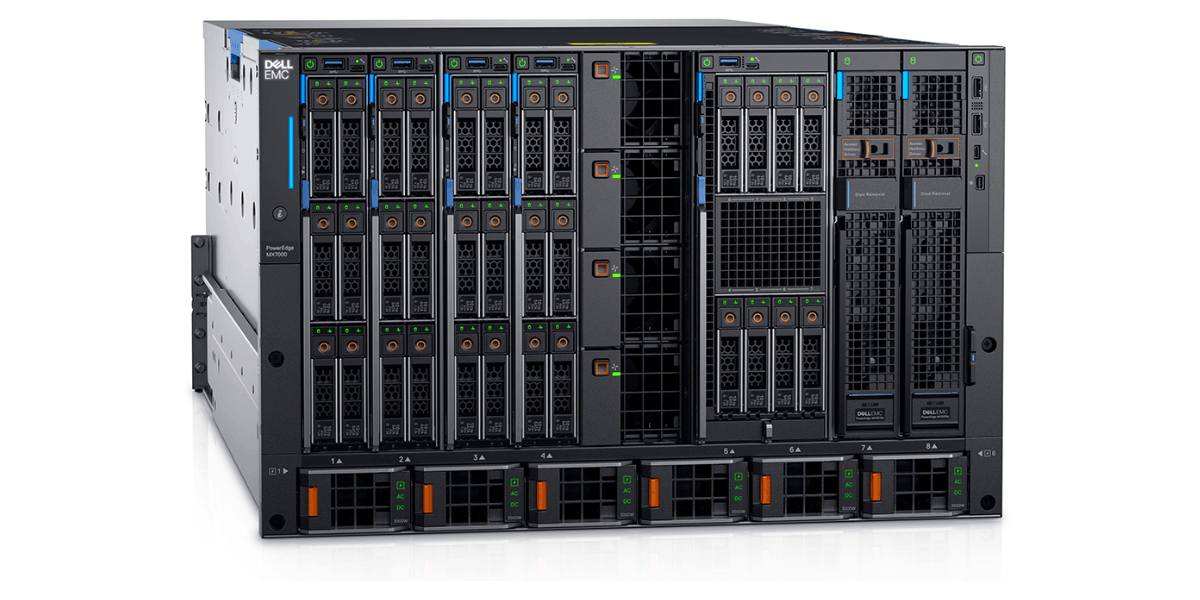
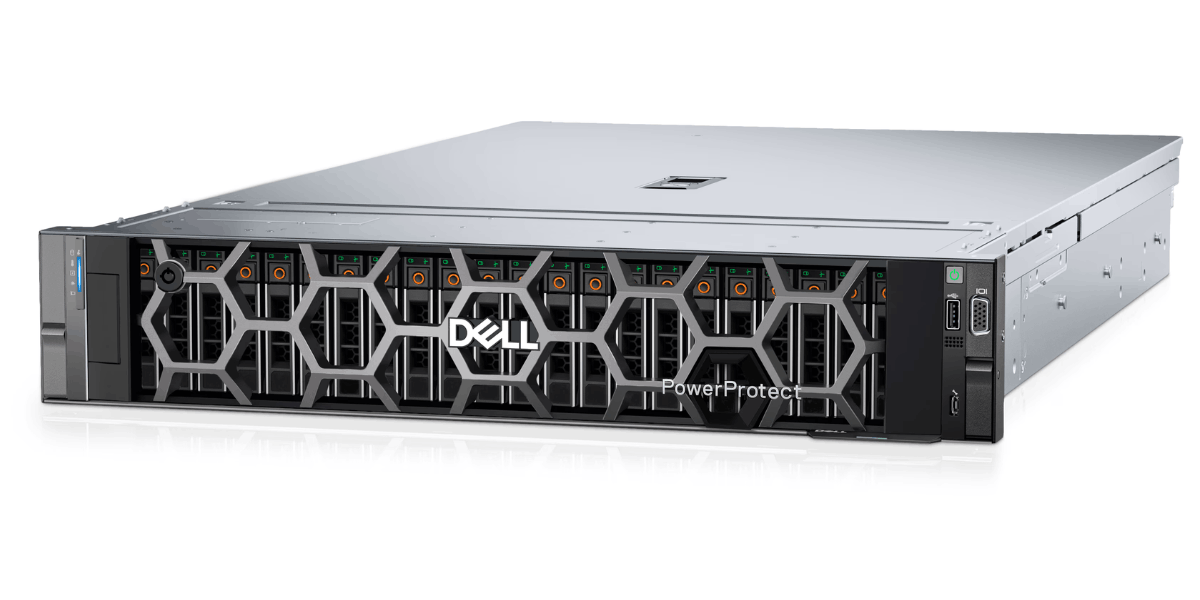
Designed for: Enterprises needing a broad edge portfolio spanning branch-ready ProLiant systems and ruggedised Edgeline platforms for industrial sites.

Designed for: Remote and branch infrastructure needing compact, easily deployed servers with consistent management across distributed sites.

Designed for: Edge workloads within existing Cisco environments where UCS integration, Intersight management and unified policy are priorities.

Designed for: High-performance edge deployments needing flexible hardware configurations, density and price/performance at scale.
03

SD-WAN, SASE & Secure Access

Modern WAN architectures increasingly combine networking and security capabilities to improve application performance, simplify management and support distributed users, sites and cloud services.

SD-WAN Platforms

Designed to optimise application performance across multiple WAN transports while simplifying branch connectivity and centralised management. Supporting:

  • WAN modernisation
  • Multi-site connectivity
  • Cloud adoption
  • Application-aware routing
  • Hybrid WAN architecture

Traditional WAN vs SD-WAN

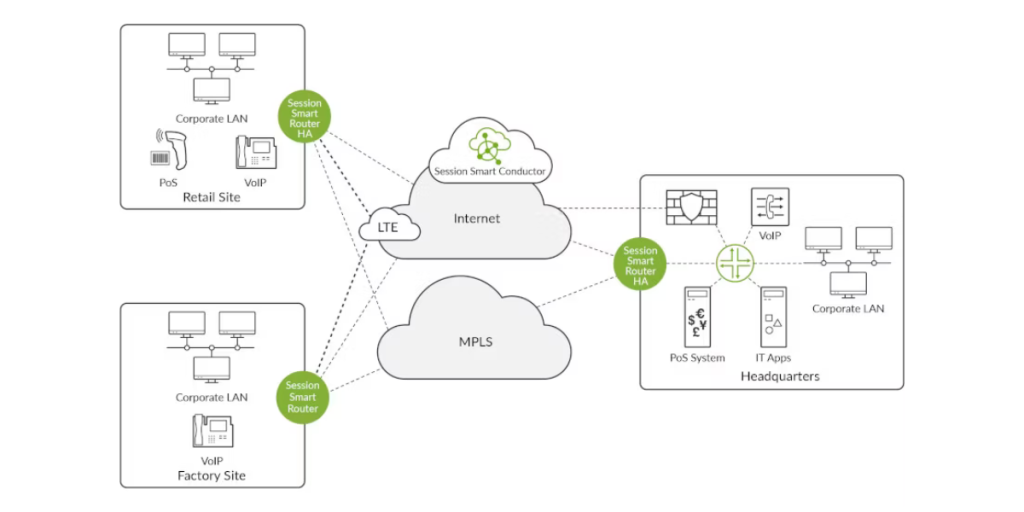
SD-WAN gives you one place to manage every site, automatic failover when a link degrades, and the ability to route critical traffic over the best available path. The payoff is fewer outages, less time spent on manual configuration, and a noticeably better experience for users on cloud and SaaS.
Traditional WAN SD-WAN
Routing: Static routing policies that send traffic over fixed paths regardless of application or link conditions Routing: Application-aware routing that steers each traffic type over the best available path in real time
Transport: MPLS dependency, with limited scope to mix providers or add capacity quickly Transport: Transport flexibility across MPLS, broadband, and 4G/5G with automated failover between links
Management: Manual configuration site-by-site, slowing rollouts and increasing the risk of inconsistent policy Management: Centralised orchestration with zero-touch provisioning and consistent policy applied across every site
Visibility: Limited visibility into application performance, user experience, and circuit health Visibility: End-to-end visibility across applications, links, and sites from a single management plane
SD-WAN platforms Select your vendor platform.

Designed for: Enterprises standardising on Cisco for WAN modernisation, with integrated routing, security and policy across branch, data centre and cloud.

Designed for: Distributed enterprises wanting AI-driven SD-WAN operations and tunnel-free routing, managed through the Mist cloud.

Designed for: Organisations prioritising application performance and WAN optimisation across cloud, SaaS and branch, with a pure-play SD-WAN fabric.

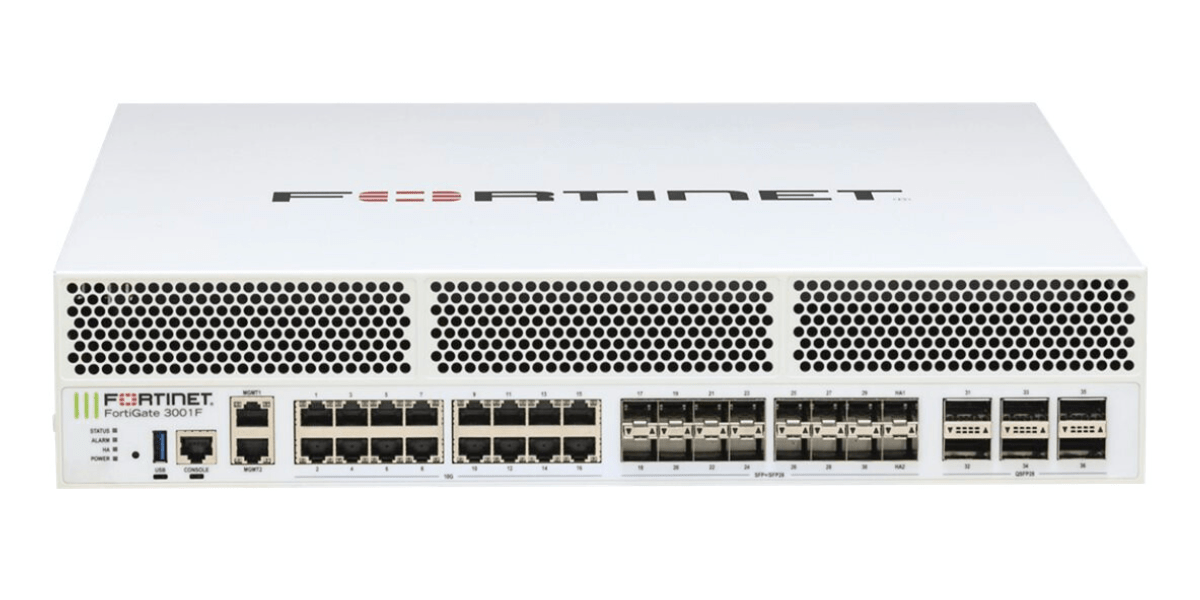
Designed for: Teams converging SD-WAN and security on a single platform, with Zero Trust, NGFW and SD-WAN delivered through FortiGate appliances.
SASE Platforms​

Designed to deliver networking and security services from the cloud, supporting users, devices and applications regardless of location. Supporting:

  • Hybrid workforces
  • Cloud-first organisations
  • Distributed users
  • Secure internet access
  • Simplified security architectures
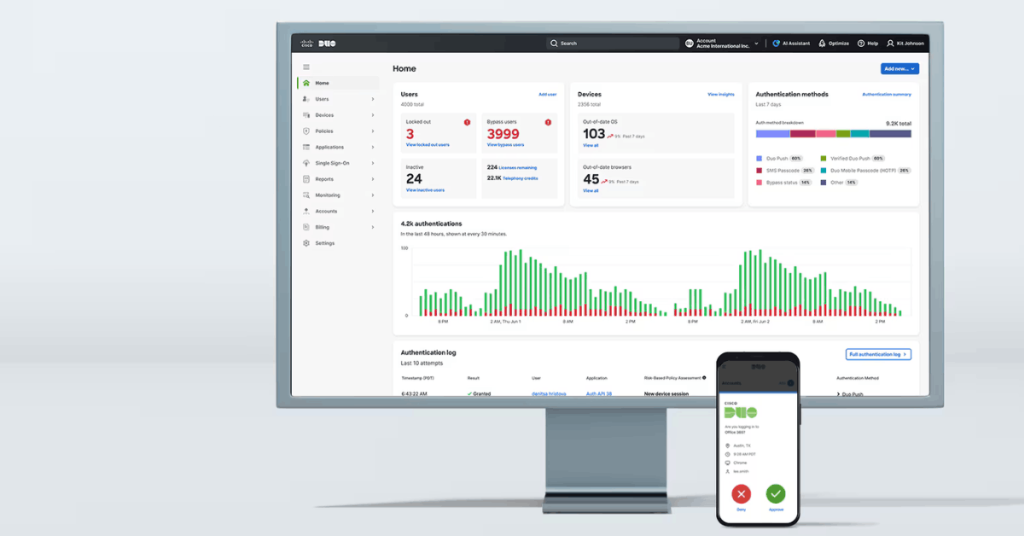
The Cisco Duo dashboard on a desktop and mobile.

Traditional Security vs SASE

SASE delivers networking and security from the cloud, applying the same policy whether a user is in the office or working remotely. The payoff is consistent protection without backhauling traffic, fewer tools to manage, and faster access to cloud and SaaS for everyone.
Traditional Security SASE
Delivery: Appliance-based security stacks deployed and maintained at each site Delivery: Cloud-delivered security applied consistently to every user, site, and connection
Protection model: Site-centric protection built around the corporate perimeter and on-network users Protection model: User and application-centric protection that follows people and workloads wherever they connect
Management: Multiple management platforms across firewalls, VPNs, web filtering, and access tools Management: Unified policy management across networking and security from a single console
Operations: Complex architectures that slow change, add cost, and create gaps between point products Operations: Simplified operations through a converged service that reduces tooling and operational overhead
SASE platforms Select your vendor platform.

Designed for: Cisco estates wanting secure access and cloud-delivered networking aligned with existing identity, endpoint and policy tooling.

Designed for: Teams seeking simplified secure connectivity with AI-driven operations across users, sites and cloud services.

Designed for: Organisations driving integrated networking, security and Zero Trust initiatives on a single converged platform.

Designed for: Globally distributed organisations adopting a cloud-native SASE architecture with a single converged service across users and sites.
Secure Access

Secure connectivity enables organisations to provide secure access between users, sites, applications and cloud services while supporting Zero Trust and modern security architectures. Supporting:

  • Remote users
  • Branch security
  • Secure application access
  • Zero Trust initiatives
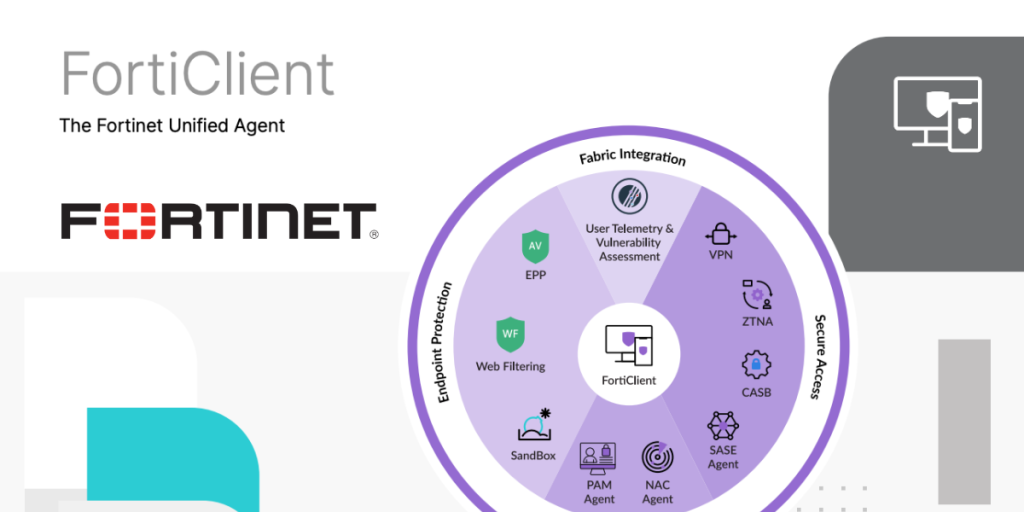
A laptop displaying Fortinet's FortiVPN dashboard.

Traditional VPN vs Zero Trust Connectivity

Zero Trust connectivity replaces broad VPN access with granular, application-level permissions that adjust to user, device, and context in real time. Your business gets stronger protection against credential theft and lateral movement. Your IT team gets a single policy model across remote and on-site users, fewer VPN tickets, and clearer visibility into who’s accessing what.
Traditional VPN Zero Trust Connectivity
Access scope: Network-level access that places the user inside the corporate network once connected Access scope: Application-level access that only exposes the specific resources the user is authorised to reach
Permissions: Broad permissions that grant wide access by default, increasing the blast radius if a session is compromised Permissions: Least-privilege access enforced per user, device, and application to limit exposure
Trust model: Implicit trust once a user is authenticated, with limited rechecking during the session Trust model: Continuous verification of user identity, device posture, and context throughout every session
Security focus: Perimeter-focused security built around the corporate network edge Security focus: Identity-centric security that follows users and devices wherever they connect
Steel City Consulting logo

Secure access and Zero Trust solutions built for your team 

Explore network security architectures, Zero Trust strategies, secure access controls and integrated security platforms.

WAN & Edge Vendor Ecosystems

Different environments place different demands on WAN and edge infrastructure — from application performance and resilience through to security and operational control. We help organisations select the right platforms based on their site footprint, traffic patterns, and long-term connectivity strategy.

Enterprise WAN Transformation

Best suited for

Large distributed environments adopting SD-WAN and SASE, and Cisco-centric organisations standardising on a single networking stack.

Best fit

Cisco

Why

Catalyst SD-WAN, Meraki, and Cisco Secure Access cover branch through cloud under one policy and management plane, with the depth of integration enterprises already invested in Cisco rely on.

Common deployment scenarios

Enterprises modernising MPLS-era WANs, multi-site organisations rolling out SD-WAN, and regulated sectors standardising on Cisco end-to-end.

Branch & Cloud-Managed Networking

Best suited for

Cloud-managed branch networking, hybrid WAN, and edge connectivity - all from one console.

Best fit

HPE Aruba

Why

Aruba EdgeConnect SD-WAN and Aruba Central give distributed organisations cloud-managed branch and edge networking with application-aware routing and consistent CX policy across every site.

Common deployment scenarios

Distributed enterprises, multi-site organisations, and operations teams standardising branch and edge networking under one cloud platform.

AI-Driven WAN & Routing

Best suited for

AI-driven networking, WAN automation, application visibility, and service provider or large enterprise routing environments.

Best fit

Juniper

Why

Juniper Session Smart SD-WAN with Mist AI delivers tunnel-free, session-aware routing and AI-driven operations, paired with MX and ACX platforms for carrier-grade and large enterprise routing.

Common deployment scenarios

Service providers, large enterprise routing environments, and networking teams using automation to manage growing scale and complexity.

Security-First Networking

Best suited for

Secure SD-WAN, SASE adoption, and Zero Trust architectures where networking and security converge on a single platform.

Best fit

Fortinet

Why

Fortinet Secure SD-WAN, FortiSASE, and FortiGate combine application-aware routing, NGFW, and Zero Trust on one operating system, with FortiManager providing single-pane policy across the estate.

Common deployment scenarios

Organisations consolidating networking and security tooling, teams driving Zero Trust initiatives, and distributed enterprises adopting SASE.

Steel City Consulting logo

Unsure whether Cisco, HPE Aruba, Juniper or Meraki is the right fit? Our specialists can assess your workloads, existing estate, growth plans and operational requirements, then recommend the right approach.

Supporting You at Every Stage

From design and vendor selection through to deployment and long-term support, we help you build, operate, and evolve your campus network with confidence.

  • WAN & Edge Infrastructure Assessments We review your existing WAN, branch sites, circuits, and security posture. The output is a clear view of performance gaps, resilience risks, and the changes needed to support cloud, SaaS, and distributed working.
  • Network Architecture & Design We design WAN, branch, and edge architectures around your sites, traffic patterns, and growth plans. Our focus is on right-sizing the design so it is scalable, secure, and practical for your team to operate.
  • SD-WAN & SASE Strategy Development We translate WAN modernisation goals into a workable SD-WAN and SASE roadmap, covering vendor selection, transport mix, security model, and the sequencing needed to move at the right pace.
  • Branch & Edge Infrastructure Deployment We prepare branch and edge platforms for live use, including configuration, staging, on-site deployment support, and alignment with your security and compliance requirements.
  • WAN Modernisation & Migration Services We plan and execute migrations from legacy MPLS and hub-and-spoke designs to SD-WAN and SASE architectures, with minimal disruption to users and applications.
  • Infrastructure Lifecycle & Technology Refresh Services We provide ongoing support, monitoring, optimisation, and refresh guidance to keep your WAN and edge estate stable, secure, and aligned with changing business needs.

Book a Free 30-Minute Consultation Call

Get expert advice, no commitment needed. Your consultation link will be sent via email.

WAN and Edge Networking — FAQs

What is the difference between WAN and SD-WAN?

A traditional WAN uses fixed routing over circuits like MPLS, with site-by-site configuration and limited application awareness. SD-WAN adds a software-defined overlay that steers traffic across multiple link types based on application performance, managed centrally with consistent policy across every site. Book a WAN and edge consultation to review whether SD-WAN is the right next step for your environment.

What is SASE and how does it differ from SD-WAN?

SD-WAN focuses on connectivity — routing traffic efficiently between sites, users, and cloud. SASE combines SD-WAN with cloud-delivered security services such as secure web gateways, Zero Trust access, and firewall-as-a-service, applied consistently to users and applications wherever they connect.

Should WAN, SD-WAN or SASE be deployed first?

It depends on current priorities. Most organisations start with SD-WAN to modernise connectivity and improve cloud and SaaS performance, then layer SASE in to converge security and networking as remote working and Zero Trust become higher priorities. Book a consultation and we can help sequence the work so each phase delivers value without rework.

What routing platform is best for my WAN environment?

The right choice depends on scale, traffic profile, existing infrastructure, and how much automation your team wants. As certified partners for Cisco, Juniper, HPE Aruba, and Fortinet, we match the platform to the environment — whether that is branch, enterprise core, or service provider routing. Book a routing platform consultation for an unbiased recommendation.

How can I securely connect remote users and branch locations?

Modern secure connectivity combines Zero Trust access for users, SD-WAN for sites, and cloud-delivered security policy that follows both. We assess your user base, site footprint, and application mix, then design an approach that replaces legacy VPN and per-site appliances with consistent, identity-led access. Book a secure access consultation to scope the right approach for your team.

When should I deploy edge infrastructure?

Edge infrastructure makes sense when latency, bandwidth costs, or site resilience are limiting what the business can do — for example, real-time applications, local data processing, or sites that need to keep operating when the WAN is degraded. Book an edge infrastructure assessment and we'll review where edge compute genuinely improves the outcome rather than adding cost.

How do I modernise a legacy WAN architecture?

WAN modernisation usually moves from hub-and-spoke MPLS to SD-WAN with mixed transport, then converges security and networking through SASE. Book a WAN modernisation consultation and we'll plan the migration around your sites, contracts, and risk appetite — sequencing the rollout to minimise disruption while improving performance and reducing transport costs.

Get a recommendation for your WAN or edge network

Tell us about your environment and we will provide a tailored recommendation across SD-WAN, SASE, and secure access, with no obligation.

A group discussing IT solutions